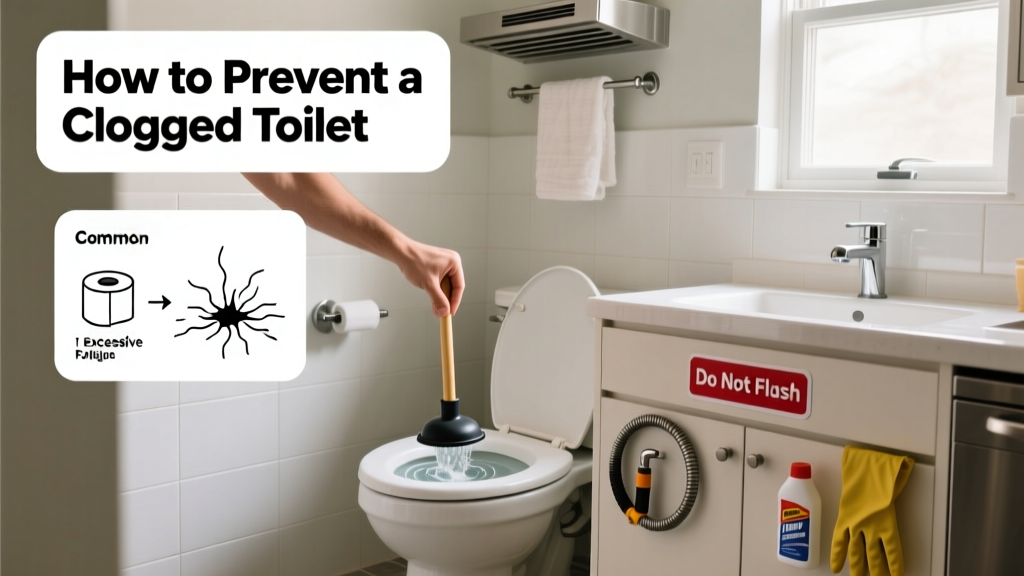
A single clog can shut down your bathroom for hours—and if ignored, lead to overflow, subfloor damage, or sewage backup. According to the U.S. EPA, 14% of household water waste comes from undetected leaks and inefficient fixtures, many triggered by preventable blockages. Fixing a severe clog often costs $150–$400; prevention takes less than five minutes a week.
Why This Happens
Toilet clogs rarely appear out of nowhere. They’re usually the result of cumulative strain on your drain system. The most common culprits? Excessive toilet paper (especially ultra-plush varieties), non-flushable wipes labeled 'septic-safe' (which still don’t break down fully), and foreign objects like dental floss, cotton swabs, or feminine hygiene products. Older homes with cast-iron or galvanized pipes are especially vulnerable—corrosion narrows pipe diameter over time, trapping debris more easily.
Tree roots infiltrating sewer lines cause nearly 30% of mainline clogs in homes built before 1985, per the National Association of Home Builders’ 2022 Plumbing Systems Report. Even high-efficiency toilets (1.28 gpf or less) can struggle with low-volume flushes if the trapway design isn’t optimized—or if users flush too frequently without full-tank refills.
Maintenance Checklist
| Frequency | Task | Notes |
|---|---|---|
| Daily | Use only 4–6 squares of standard toilet paper per use | Avoid quilted or lotion-infused brands—they resist disintegration |
| Weekly | Pour ½ cup white vinegar into bowl; let sit 30 min, then scrub with stiff nylon brush | Vinegar dissolves mineral buildup in rim jets and trapway |
| Monthly | Check flapper seal for warping or mineral deposits; replace if brittle or leaking | A faulty flapper causes weak flushes that fail to clear solids |
| Yearly | Hire a licensed plumber to perform camera inspection of main drain line | Catches root intrusion, pipe offsets, or sediment buildup early |
Warning Signs
Don’t wait for water to rise. These subtle cues signal trouble brewing:
- Slow draining after every flush—even if it eventually clears
- Gurgling sounds from nearby drains (tub, sink, or floor drain) when flushing
- Water level in bowl rising higher than usual before dropping
- Frequent need to plunge more than once per week
- Visible residue or film around the bowl’s rim jets
Any two of these symptoms together mean your drain is narrowing—not just dirty. That’s your cue to escalate from DIY cleaning to professional assessment.
Recommended Products
Not all tools and additives work equally well—and some make things worse. Here’s what actually helps:
- Enzyme-based drain cleaners (e.g., Green Gobbler or Bio-Clean): Break down organic matter without corroding pipes. Use monthly as maintenance—not emergency treatment.
- Flange-mounted toilet brushes with angled heads: Reach under the rim better than standard models. Replace bristles every 3 months.
- High-efficiency toilet paper rated for septic systems (look for NSF/ANSI 46 certification): Dissolves in under 20 seconds in water agitation tests.
- Drain strainers for bathroom sinks and showers: Catch hair before it reaches the main stack—reducing backpressure on the toilet vent.
Can I use a plunger preventively?
No—but you *can* use it strategically. A firm, slow, deep plunge (not rapid jabs) once every two weeks—on a fully filled bowl—creates gentle hydraulic pressure that loosens biofilm in the trapway. Don’t force it if resistance feels solid; that’s not maintenance—it’s an early clog.
Does toilet age affect clog risk?
Absolutely. Toilets older than 15 years often have smaller trapways (1.75” vs. modern 2.125”) and weaker siphon action. If yours was installed before 1994 (pre–Energy Policy Act), consider upgrading to a WaterSense-labeled model. They use 20% less water but flush 30% more effectively due to improved engineering.
Are flushable wipes really safe?
No—despite labeling. A 2023 study by the Water Environment Federation found that 93% of ‘flushable’ wipes failed disintegration testing after 30 minutes in simulated wastewater flow. They accumulate in pipes, bind with grease, and form ‘fatbergs’ even in municipal systems. Keep a small trash bin beside the toilet for all wipes, cotton, and dental floss.
What’s the best way to test flush strength?
Drop one standard sheet of toilet paper into the bowl, then flush. It should vanish completely within 10 seconds. If pieces linger or swirl slowly, your flush velocity is compromised—check for low water level in tank, clogged rim jets, or flapper timing issues. Adjust the chain length so the flapper lifts fully and stays open for 4–5 seconds.
Should I install a backwater valve?
Only if you’ve had sewer backups before—or live in a flood-prone area with combined storm/sanitary sewers. These valves prevent reverse flow during heavy rain events but require annual lubrication and inspection. For most homes, consistent maintenance is cheaper and more effective than retrofitting hardware.
"A toilet that flushes cleanly once a day is likely fine—but if you notice hesitation *before* the water drops, that’s biofilm building up in the trapway. That’s your 30-day window to intervene." — Licensed Master Plumber Maria Chen, Chicago Plumbing Inspectors Association, 2023
Preventing clogs isn’t about perfection—it’s about consistency. Swap one habit this week: switch to certified-septic toilet paper, add weekly vinegar cleaning, or install a lid-lock on the kids’ bathroom trash can. Small actions compound. Over time, you’ll spend less on calls to emergency plumbers, avoid replacing water-damaged subfloors, and keep your bathroom running smoothly. For deeper system insights, see our guide on septic system maintenance or choosing the right drain cleaning tools.