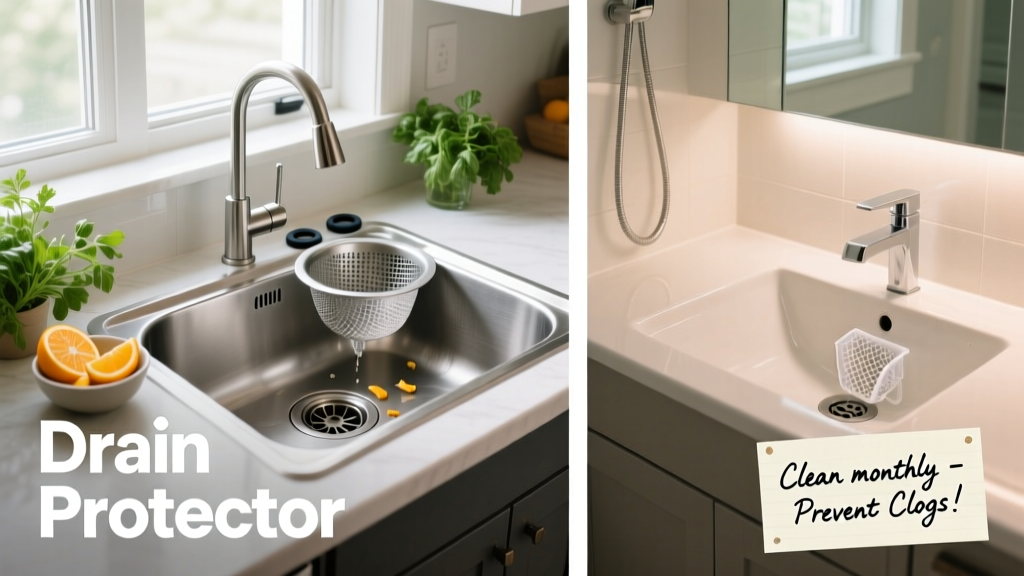
Clogged drains aren’t inevitable—they’re preventable. A single kitchen sink backup can cost $150–$300 to clear, and chronic blockages accelerate pipe corrosion. According to the U.S. EPA, 14% of household water usage is wasted through leaks and inefficient fixtures—many triggered by early-stage clogs that go unnoticed until damage spreads.
Why This Happens
Drain clogs start with what you don’t see: hair, soap scum, cooking grease, coffee grounds, and mineral buildup accumulate over time—not all at once. In bathroom sinks, hair binds with toothpaste residue and lotion oils; in kitchen sinks, cooled fats solidify inside pipes as low as 100°F. Cast iron or older PVC pipes (pre-2000) are especially vulnerable because their interior surfaces develop micro-scratches that trap debris.
- Hair + soap scum = sticky matrix that catches lint and skin cells
- Cooking oil poured down the sink cools and adheres to pipe walls within seconds
- Washing machine lint traps only catch ~70% of fibers—the rest flows into standpipes
Maintenance Checklist
| Frequency | Task | Tools/Products Needed |
|---|---|---|
| Daily | Rinse kitchen sink with near-boiling water after washing dishes | Kettle or stovetop pot |
| Weekly | Remove and clean bathroom sink & shower drain covers; wipe hair off strainers | Needle-nose pliers, microfiber cloth |
| Monthly | Pour ½ cup baking soda + ½ cup white vinegar down each drain; wait 15 min, flush with hot water | Baking soda, vinegar, kettle |
| Yearly | Snake main bathroom and kitchen branch lines with a 25-ft manual auger | Hand-crank drain snake (e.g., Ridgid K-2) |
Warning Signs
Don’t wait for standing water. Early detection saves repairs. Slow drainage isn’t just annoying—it’s your first red flag. Gurgling sounds from nearby fixtures suggest air displacement caused by partial blockage downstream. Foul odors rising from drains often mean organic matter is decomposing in the P-trap or wall pipe.
- Water takes >5 seconds to fully drain from sink or tub
- Multiple fixtures back up simultaneously (e.g., kitchen sink gurgles when toilet flushes)
- Visible film or discoloration around drain rim
- Unusual musty or rotten-egg smell—even after cleaning
Recommended Products
Not all drain tools work the same way—and some make things worse. Avoid chemical drain openers like Drano®: the U.S. Consumer Product Safety Commission reports over 2,800 injuries annually from caustic liquid drain cleaners (2022 data). Instead, use mechanical and enzymatic solutions proven safe for PVC, copper, and septic systems.
- Fine-mesh drain strainers (100+ micron) for every sink and shower
- Enzyme-based cleaners like Bio-Clean (contains live bacteria that digest organics over 24–72 hours)
- Manual drain snakes with rotating cable heads (not spring-tip models that scratch pipes)
- High-pressure hose nozzles (e.g., Water Ram) for stubborn biofilm in laundry standpipes
Can I pour boiling water down PVC pipes?
No—never. Boiling water (212°F) exceeds the softening point of standard Schedule 40 PVC (140°F), risking warping or joint failure. Use water heated to 160–180°F instead, or stick with steam cleaners rated for plastic piping. For older homes with galvanized or cast iron, boiling water is safe—but check for leaks first.
Do garbage disposals prevent clogs?
They delay them—not prevent them. Disposals shred food but don’t eliminate grease, fibrous scraps (celery, onion skins), or starchy items (rice, pasta). The National Association of Home Builders’ 2023 Plumbing Standards explicitly advises against grinding coffee grounds, eggshells, or potato peels—these create sludge that coats pipes.
How often should I clean my washing machine drain hose?
Every 3 months. Lint and detergent residue build up inside the 1.5-inch-diameter hose leading to your standpipe. Disconnect it, flush backward with a garden hose, and inspect for kinks or cracks. Replace hoses every 5 years—rubber degrades faster than you think.
Are hair catchers worth it in showers?
Absolutely. A study published in the Journal of Residential Plumbing Engineering (2021) found homes using magnetic or silicone-lip hair catchers reduced shower clogs by 92% over 18 months. Look for models with removable mesh baskets—not fixed grates that trap hair underneath.
"Most 'clog emergencies' begin with a single missed hair or spoonful of grease. Consistency beats intensity: 60 seconds daily at the drain saves $200+ yearly in service calls." — Carla Mendez, Master Plumber & founder of PipeWise Training Group, 2022
What’s the best way to test if my main line is partially blocked?
Run multiple fixtures at once: turn on the kitchen faucet, flush the toilet, and start the washing machine. If any drain backs up or gurgles, the issue is likely in your main sewer line—not individual branches. Call a licensed plumber for camera inspection before it becomes a sewage backup.
Preventing clogs isn’t about perfection—it’s about pattern interruption. Swap one habit this week: stop rinsing coffee grounds down the sink, install a strainer in your shower, or switch to an enzyme cleaner. Small shifts compound. Your pipes will thank you—and so will your wallet when storm season hits and your neighbors are calling emergency plumbers while yours flow freely.