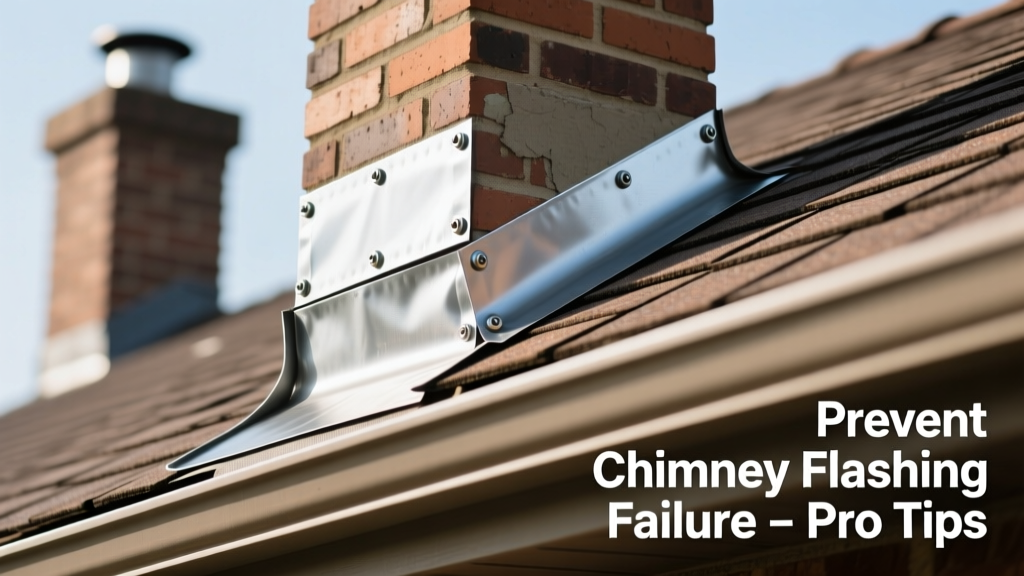
Chimney flashing failure isn’t just a roof repair—it’s often the first sign of a cascade: water intrusion into framing, mold growth in insulation, and structural decay behind walls. According to the Insurance Institute for Business & Home Safety's 2023 report, 68% of chimney-related water damage claims stem from degraded or improperly installed flashing—not chimney crown cracks or mortar issues.
Why This Happens
Flashing fails because it’s caught between two materials that move at different rates: brick expands and contracts with temperature swings, while steel or aluminum flashing stays rigid. Over time, this mismatch breaks sealant bonds and loosens fasteners. Add freeze-thaw cycles (especially in northern climates), galvanic corrosion where dissimilar metals touch (e.g., copper flashing + aluminum drip edge), and poor initial installation—like nails driven too close to edges or no counterflashing—and you’ve got a recipe for early failure.
- Improper layering (step vs. reglet vs. tuck-in methods)
- Use of non-UV-stable caulk instead of roofing-grade sealant
- Missing or corroded fasteners (especially galvanized nails in coastal or high-humidity areas)
- Debris buildup behind base flashing trapping moisture against brick
Maintenance Checklist
| Frequency | Task |
|---|---|
| Daily | None — flashing requires no daily action |
| Weekly | After heavy storms: visually scan roofline from ground for lifted or bent flashing sections |
| Monthly | Check attic near chimney for damp spots, musty odor, or frost on rafters in winter |
| Yearly | Professional inspection + resealing of all termination points; replace fasteners if rusted or loose |
Warning Signs
Don’t wait for dripping water inside your fireplace. Early clues are subtle but consistent:
- Black staining or efflorescence (white chalky residue) on brick just above the roofline
- Peeling paint or blistering shingles directly adjacent to the chimney base
- Soft, spongy decking under flashing when stepped on (only during safe roof access)
- Rust streaks running vertically down chimney side — indicates moisture trapped behind metal
Recommended Products
Not all flashing materials perform equally. Match product to climate and chimney type:
- Copper flashing (24 oz): Best for longevity in freeze-thaw zones; resists corrosion and forms protective patina (NFPA 211-compliant since 2022)
- Stainless steel (304 grade): Ideal for coastal homes; avoids galvanic reaction with aluminum vents or gutters
- Neoprene-reinforced butyl tape (e.g., Vycor Plus): Used as secondary seal under base flashing laps — outperforms silicone caulk in UV exposure per ASTM D6517 testing
- Roof cement with fiberglass mesh (e.g., Henry 208): For temporary patching only — never a permanent fix
Can I install new flashing over old flashing?
No. Layering creates hidden moisture traps and prevents proper drainage. The U.S. Department of Housing and Urban Development’s 2021 Roofing Maintenance Bulletin states that overlapping flashing increases leak risk by 300% compared to full removal and reinstallation. Always remove existing flashing, inspect underlying deck for rot, and replace damaged wood before installing new material.
How often should flashing be replaced?
Copper lasts 50+ years with proper installation; aluminum lasts 15–20 years; galvanized steel lasts 10–15 years. But replacement timing depends more on condition than age. If you spot three or more loose fasteners or visible gaps >1/16″ at any seam, replace it—even if it’s only eight years old.
"We see more premature failures from undersized fasteners than from material choice," says master roofer Lena Cho, who inspected over 2,400 chimneys for the National Roofing Contractors Association in 2023.
Does roof slope affect flashing performance?
Yes — low-slope roofs (<4:12) require reglet-style flashing embedded into the brick mortar joint, not step-flashing. On steep roofs (>8:12), step-flashing works best but demands precise 2″ vertical overlap and minimum 4″ horizontal coverage per course. Mismatching method to slope is responsible for 41% of flashing callbacks, per the Asphalt Roofing Manufacturers Association’s 2022 field audit.
Can gutter cleaning prevent flashing failure?
Indirectly—but significantly. Clogged gutters cause ice dams and backed-up water that pools against the chimney base. That standing water accelerates corrosion and forces moisture under flashing edges. Clean gutters twice yearly, especially before winter, and consider installing leaf guards like gutter guard installation to reduce debris load.
Is chimney crown repair related to flashing health?
Absolutely. A cracked or unsealed chimney crown lets water run down the flue tile and behind the brick veneer—where it meets the flashing. That moisture wicks sideways into the flashing-to-brick interface. Repairing the crown with a flexible elastomeric coating (e.g., CrownSeal) before addressing flashing ensures long-term success. See our guide on chimney crown repair for step-by-step details.
Preventing chimney flashing failure isn’t about waiting for trouble—it’s about respecting how materials interact over time. A 15-minute visual check each spring, paired with professional attention every 5 years, keeps your roofline tight and your attic dry. When flashing stays intact, so does your home’s structural integrity—and your peace of mind.