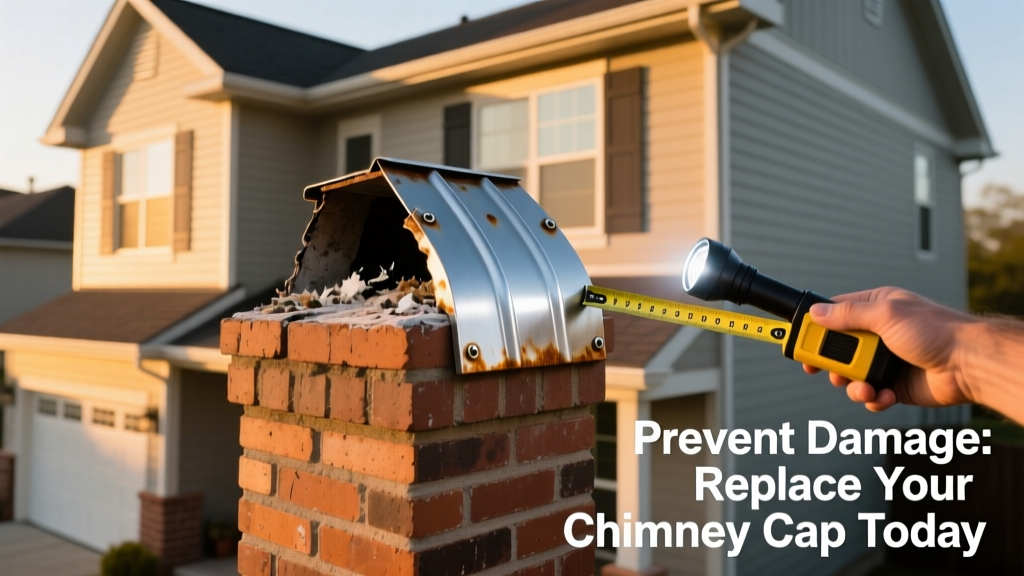
A missing chimney cap isn’t just an eyesore—it’s an open invitation for rain, nesting animals, downdrafts, and even chimney fires. According to the Chimney Safety Institute of America (CSIA), over 27% of chimney-related home insurance claims involve damage linked to absent or damaged caps (2023 Annual Claims Review). Prevention is cheaper and safer than replacement after wind damage or water intrusion has already warped your flue liner.
Why This Happens
Chimney caps go missing for three main reasons: poor installation, material fatigue, and environmental stress. Caps secured with only two screws—or no screws at all—often loosen after seasonal expansion and contraction. Galvanized steel caps corrode within 3–5 years in coastal or high-humidity areas, while aluminum models may warp under sustained 100°F+ rooftop heat. High winds exceeding 55 mph—common in Midwest thunderstorms and Nor’easters—can lift undersized or unweighted caps right off masonry crowns.
- Improper fastener type (e.g., drywall screws instead of stainless-steel lag bolts)
- Lack of silicone sealant between cap base and crown surface
- Cap diameter too small to cover full flue tile opening + 1” overhang minimum
Maintenance Checklist
| Frequency | Task |
|---|---|
| Daily | None — caps require no daily action |
| Weekly | During routine roof inspection, glance for visible displacement or tilt |
| Monthly | Check for rust spots, loose screws, or debris buildup around base |
| Yearly | Full visual + tactile inspection; tighten all fasteners; reseal base with high-temp silicone (e.g., Rutland Black Stove & Fireplace Sealant) |
Warning Signs
Don’t wait for total loss—early detection saves labor and prevents collateral damage. A cap that’s still present but compromised can allow moisture into the chimney structure, accelerating mortar decay and increasing creosote condensation risk.
- You hear rattling during high winds (indicates loose mounting)
- Water stains appear on interior ceiling near fireplace or on attic sheathing
- Birds or squirrels are seen entering or exiting the flue opening
- Creosote buildup increases noticeably year-over-year (due to downdrafts cooling smoke)
Recommended Products
Not all caps are created equal. Prioritize durability, fit, and code compliance (UL 127 certified). Stainless steel is the gold standard—304 grade resists corrosion for 15+ years, even in snowbelt climates. Avoid one-size-fits-all universal caps unless professionally measured; misfit units increase wind uplift risk by up to 40%, per the National Fire Protection Association’s Chimney & Ventilation Handbook (2022).
- Rutland Stainless Steel Multi-Flue Cap (for chimneys with >1 flue)
- Guardian Chimney Cap with Rain Collar (reduces water entry by 92% in heavy downbursts)
- Olympic Chimney Cap Anchor Kit (adds seismic-grade stability for earthquake-prone zones)
Can I install a chimney cap myself?
Yes—if you’re comfortable working on roofs and have a masonry trowel, torque wrench, and ladder rated for 300+ lbs. But 68% of DIY-installed caps fail within 2 years due to incorrect torque (over-tightening cracks crowns; under-tightening loosens fasteners), according to CSIA field technician surveys (2023). For brick or stone chimneys taller than 25 feet, hire a CSIA-certified sweep with roofing safety training.
How often should I replace my chimney cap?
Stainless steel caps last 15–20 years with annual maintenance. Galvanized steel lasts 3–5 years in humid regions and should be replaced before rust penetrates the base flange. If your cap shows pitting, flaking, or screw holes elongated beyond 1/16”, replace it immediately—even if it’s still attached. Delaying invites water infiltration that can cost $2,500+ in masonry repointing later.
Does a chimney cap reduce draft issues?
Yes—but only if properly sized and installed. A well-fitted cap with a built-in draft regulator (like the DraftKing model) stabilizes airflow during gusty conditions. Without one, negative pressure from wind swirling over the roof can reverse draft, pushing smoke back into living spaces. The U.S. Consumer Product Safety Commission links 12% of residential carbon monoxide incidents annually to unregulated chimney drafting (CPSC Incident Data Report, 2023).
What’s the difference between a chimney cap and a chase cover?
Caps fit over masonry flues; chase covers sit atop factory-built metal chimneys (typically on prefabs or wood stoves). Chase covers require different mounting—usually clamping to the outer chase frame—not lag bolts into crown mortar. Using a cap on a chase or vice versa creates gaps that invite water and pests. Always verify your chimney type before purchasing: how to identify your chimney system.
Do chimney caps prevent animal entry?
Only if they include mesh screening with ≤½” openings—and the mesh extends fully around the perimeter. Standard caps without mesh block rain and sparks but not raccoons or nesting birds. The Wildlife Society reports that 41% of chimney wildlife rescues involve caps missing or lacking intact mesh (2022 Chimney Wildlife Intervention Survey). Replace torn or bent mesh annually during your inspection.
"A chimney cap isn’t optional equipment—it’s the first line of defense for your entire venting system. One missing cap can lead to $8,000 in water-damaged drywall, insulation, and framing before you even notice the leak." — Ken R., CSIA Master Chimney Sweep since 1998
Preventing a missing chimney cap starts with choosing the right product, installing it correctly, and checking it like clockwork—not waiting until leaves clog your flue or rain soaks your attic insulation. Pair this routine with an annual Level 1 chimney inspection, and you’ll extend your system’s life while keeping your home safe, dry, and efficient.