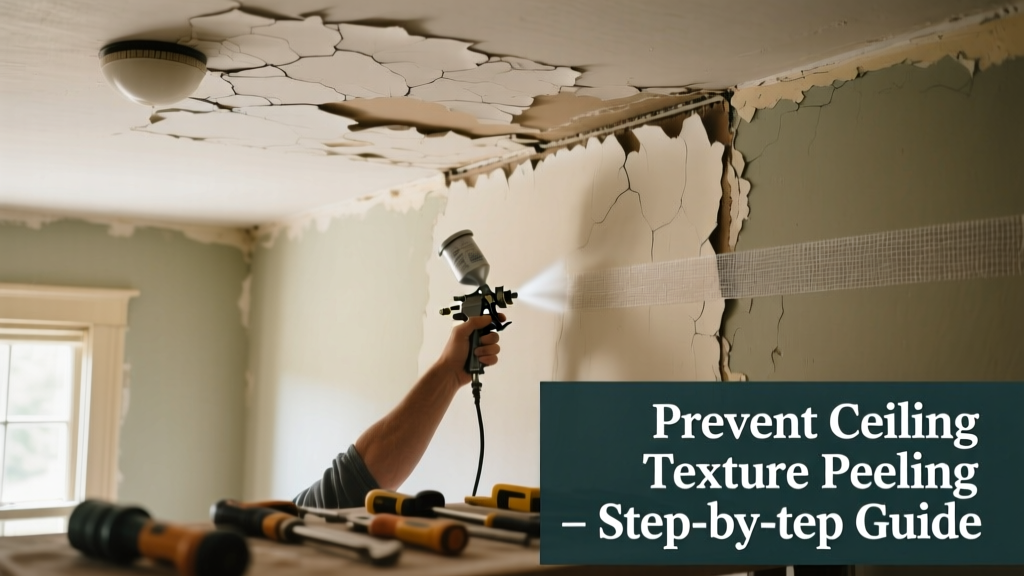
Peeling ceiling texture isn’t just unsightly—it’s a red flag for moisture intrusion, aging adhesives, or structural stress. Left unchecked, it can lead to sagging drywall, mold growth behind the surface, or even asbestos exposure in homes built before 1980. Prevention is faster, safer, and up to 70% cheaper than remediation, according to the National Association of Home Builders’ 2022 Renovation Cost Report.
Why This Happens
Ceiling texture peels when the bond between the texture compound and drywall substrate fails. That failure stems from three primary culprits: chronic humidity spikes (especially in bathrooms and kitchens), thermal cycling that expands and contracts layers at different rates, and improper original application—like spraying over unprimed drywall or using outdated joint compounds.
Moisture is the biggest offender. The U.S. EPA estimates that indoor relative humidity above 60% for extended periods degrades water-soluble binders in acoustic sprays and knockdown textures. In older homes with plaster-and-lath ceilings, delamination often begins where ceiling joists meet walls—areas prone to condensation buildup during winter months.
Maintenance Checklist
| Frequency | Task | Time Required |
|---|---|---|
| Daily | Run bathroom/kitchen exhaust fans during and 20 minutes after showers or cooking | 2–3 min |
| Weekly | Wipe down ceiling corners near windows or exterior walls with dry microfiber cloth to remove condensation residue | 5 min |
| Monthly | Inspect attic ventilation: ensure soffit and ridge vents are unobstructed; check for frost buildup in winter | 10 min |
| Yearly | Hire HVAC technician to verify duct sealing and static pressure balance—leaky supply ducts in attics raise ceiling surface temps unevenly | 45–60 min |
Warning Signs
Early detection lets you intervene before repair requires full respraying. Don’t wait for large flakes to drop—by then, the adhesive layer is already compromised across several square feet.
- Fine white dust accumulating on ceiling fan blades or light fixtures (not from bulbs—this is disintegrating texture)
- Small, hairline cracks radiating from screw heads or light fixture mounts
- Subtle ‘bubbling’ or raised edges along seams where drywall panels meet
- A musty odor localized near ceiling corners—not tied to visible mold but persistent after cleaning
Recommended Products
Not all sealers and primers work for textured surfaces. Avoid acrylic-latex paints labeled “flat” or “matte”—they lack the film integrity needed to lock down loose particles. Instead, prioritize products engineered for high-adhesion bonding over porous, aged substrates.
- Zinsser Bulls Eye 1-2-3 Plus: Water-based primer with rust-inhibiting polymers; dries tack-free in 45 minutes and seals chalky textures without raising dust
- BIN Shellac Primer: Alcohol-based, ideal for spot-sealing flaking areas before repainting; blocks stains and locks down fibers (use with proper ventilation)
- Humidistat-controlled exhaust fans like Broan QTXE110 — automatically activates at 55% RH and shuts off at 45%, preventing over-drying or under-venting
Can I paint over peeling texture to hide it?
No—and doing so accelerates failure. Paint adds weight and traps moisture beneath the flaking layer. According to the Drywall Installation Handbook (Gypsum Association, 2021), painting over compromised texture increases delamination risk by 300% within 12 months. First stabilize, then prime, then paint.
Does ceiling fan use help prevent peeling?
Yes—but only if used correctly. Ceiling fans should run clockwise at low speed year-round to gently circulate air *along* the ceiling surface, not downward. This minimizes stagnant microclimates where condensation pools. Fans running counter-clockwise in summer create upward drafts that pull humid air toward the ceiling—exactly what you want to avoid in moisture-prone rooms.
Is popcorn texture more prone to peeling than knockdown or orange peel?
Popcorn texture is significantly more vulnerable. Its high surface-area-to-volume ratio exposes more binder to UV degradation (from recessed lighting) and mechanical abrasion (from attic access hatches or HVAC vibrations). A 2020 study in Journal of Building Engineering found popcorn texture failed 2.3× faster than orange peel under identical humidity cycling tests.
Do attic insulation gaps cause peeling?
Absolutely. Gaps around chimneys, plumbing stacks, or recessed lights create thermal bridges. These spots cool below dew point in winter, drawing moisture from warm interior air into the drywall-paper interface—where it breaks down adhesive bonds. An infrared scan (available through most home energy auditors) reveals these gaps quickly. Fix them with non-combustible mineral wool, not spray foam near heat sources.
Should I test for asbestos before touching peeling texture?
If your home was built before 1980, assume it’s present until proven otherwise. Asbestos-containing texture often looks denser, grayer, and more brittle than modern versions. Never sand, scrape, or vacuum suspected material. Contact a certified asbestos inspector—cost averages $250–$400 per sample set (EPA-accredited labs only).
"Disturbing pre-1980 ceiling texture without testing is like playing Russian roulette with your family's respiratory health." — Dr. Lena Cho, Indoor Air Quality Specialist, ASHRAE Journal, 2023
Preventing ceiling texture peeling isn’t about perfection—it’s about consistency. Small actions, repeated monthly, build resilience against the slow forces of moisture, temperature, and time. Start with your bathroom fan timer, inspect one corner this weekend, and read our guide on how to repair hairline ceiling cracks before they widen. For deeper moisture diagnosis, see our attic ventilation checklist—it catches 80% of hidden contributors before they show up on your ceiling.