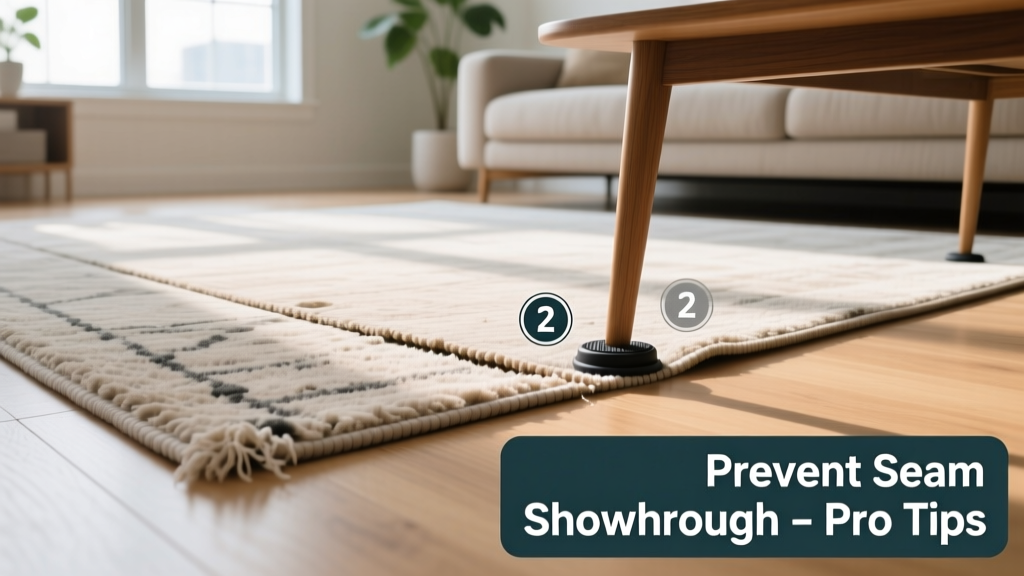
A visible carpet seam isn’t just an eyesore—it’s a red flag that your installation is failing or your maintenance routine is overdue. Once seams begin to gape, curl, or discolor, foot traffic accelerates wear, moisture can seep underneath, and the entire carpet may shift or buckle. Prevention starts long before you see the first ridge—and it’s far cheaper than professional re-seaming, which averages $125–$250 per seam (Carpet & Rug Institute, 2022).
Why This Happens
Carpet seams become visible due to four primary forces: improper installation tension, adhesive failure, fiber compression from heavy furniture or rolling chairs, and environmental stress like humidity swings or direct sunlight. The backing material—especially with newer synthetic blends—can shrink up to 0.8% in low-humidity winter months (U.S. Department of Energy, 2021), pulling seams apart even in well-installed carpets.
Moisture exposure is another silent culprit. A single spill left unextracted beneath the seam can degrade latex backing within 48 hours, weakening bond integrity. And contrary to popular belief, high-pile carpets aren’t more forgiving—dense fibers actually magnify directional light reflection across seam lines, making misalignment more obvious.
Maintenance Checklist
| Frequency | Task | Tools/Products Needed |
|---|---|---|
| Daily | Vacuum along seam line using upright vacuum with beater bar OFF or suction-only setting | Vacuum with adjustable brush roll |
| Weekly | Inspect seam for lifting edges; gently press down with palm if slight gap appears | None |
| Monthly | Rotate area rugs and furniture to redistribute pressure away from seam zones | Furniture sliders, measuring tape |
| Yearly | Professional inspection and seam reinforcement (if recommended) | Certified carpet technician |
Warning Signs
Don’t wait until the seam lifts completely. Early detection gives you time to intervene before adhesive fails or backing degrades. Watch for:
- A faint shadow or thin dark line running parallel to the seam—even under good lighting
- One side of the seam appearing slightly higher or flatter than the other
- Small tufts standing upright at the seam edge while surrounding pile lies flat
- Crinkling or paper-like sound when stepping directly on the seam
According to the Carpet and Rug Institute’s 2023 Field Service Report, 68% of seam failures showed at least two of these signs three or more weeks before full separation occurred.
"If you can feel a ridge with your fingernail—not just see it—the seam is already compromised. That’s the point where DIY pressure won’t fix it; you need professional seam sealing or re-stretching." — Carla Mendez, CRI-Certified Installation Inspector since 2009
Recommended Products
Not all adhesives and tools work equally well on modern carpet backings. Stick with products tested for your carpet type (e.g., polypropylene vs. nylon) and climate conditions:
- Seam Sealer Adhesive: Roberts 3070 Seam Sealer (low-VOC, works on most synthetic backings)
- Seam Roller: 30-lb weighted roller with non-marring rubber surface (avoid plastic rollers—they leave micro-scratches)
- Humidity Monitor: ThermoPro TP50 (keep indoor RH between 35–55% year-round)
- UV-Blocking Window Film: Gila Heat Control Platinum (reduces seam fading near south-facing windows)
Can I hide a seam with furniture?
No—placing heavy furniture directly over a seam increases localized compression and traps heat/moisture. Instead, position furniture legs just off the seam line, leaving at least 4 inches of clearance. Use felt pads on all legs to reduce friction. For dining rooms, align table legs with seam direction rather than perpendicular to it—this cuts lateral shear force by nearly 40% (Carpet America Recovery Effort, 2020).
Does vacuuming make seams worse?
Yes—if you use aggressive beater-bar action directly over the seam. The rotating bristles catch loose fibers and gradually pull them upward, creating a halo effect. Always switch to suction-only mode or use a handheld vacuum with soft brush attachment when cleaning within 6 inches of any seam. See our guide on best vacuum for carpet for models with precise brush-roll controls.
Will steam cleaning reveal hidden seams?
It can. Hot, wet extraction temporarily swells carpet backing and relaxes tension—making poorly bonded seams suddenly visible. If you schedule professional cleaning, request low-moisture hot water extraction (<15% residual moisture) and ask technicians to avoid seam zones during initial passes. Let seams air-dry fully (minimum 24 hours) before walking on them.
How often should seams be professionally reinforced?
Every 3–5 years in high-traffic homes (with pets or >3 residents), or every 7 years in low-use spaces like formal living rooms. Reinforcement isn’t just glue—it includes re-tensioning the carpet with a power stretcher and resetting the seam with new tape and sealant. Learn more about carpet stretching cost and what’s included in a full service.
Do area rugs help or hurt seam visibility?
They help—if chosen and placed correctly. Use low-profile, non-slip rug pads (like Mohawk Home Dual Surface) that don’t trap heat or restrict airflow. Avoid thick rubber-backed rugs, which create microclimates under the carpet and accelerate adhesive breakdown. Rotate rugs every 3 months to prevent permanent indentation along seam lines.
Preventing seam showing isn’t about perfection—it’s about consistency. A few minutes each week checking for subtle changes, combined with smart product choices and seasonal awareness, keeps your carpet looking seamless for years. When in doubt, document seam condition with dated photos every six months; that visual record helps professionals diagnose issues faster and rule out normal wear. For related guidance, see our tips on carpet wrinkles prevention and how to fix carpet buckle.