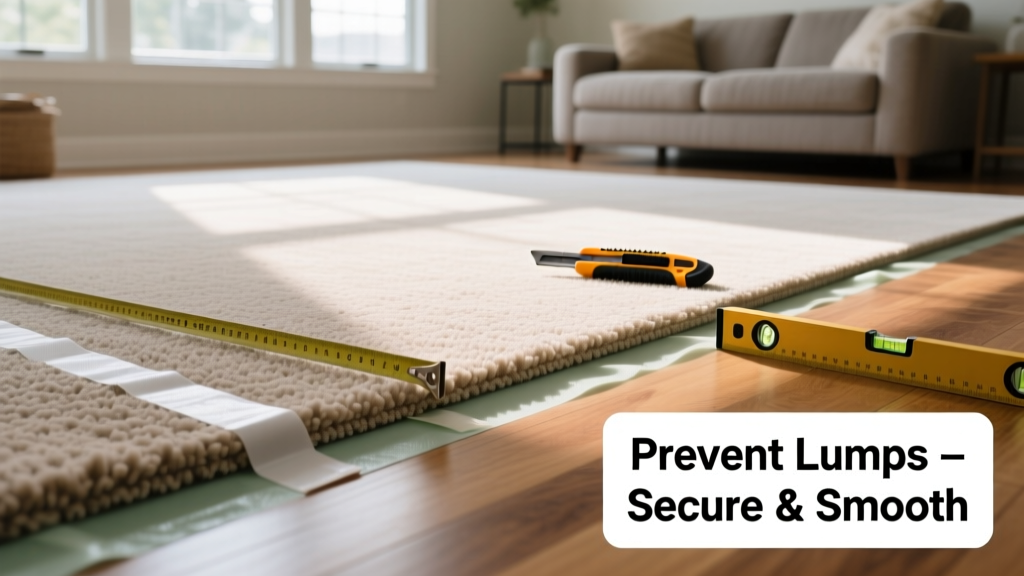
Lumpy carpet padding isn’t just unsightly—it’s a sign of structural failure beneath your feet. When padding compresses unevenly or migrates, it creates tripping hazards, accelerates carpet wear, and can even void manufacturer warranties. The good news? Over 80% of lumpy padding cases stem from preventable causes—not poor installation or subpar materials, according to the Carpet and Rug Institute’s 2022 Field Performance Survey.
Why This Happens
Carpet padding turns lumpy when its internal structure breaks down faster than expected. Three main culprits drive this: excessive foot traffic on thin or low-density foam (especially under furniture legs), moisture exposure that degrades rebond or rubber-based pads, and improper installation—like skipping seam tape or stretching carpet too tightly over uneven subfloors.
High-traffic zones like hallways and living room entrances see up to 3× more compression per square foot than bedrooms, accelerating pad fatigue. And if your home has slab-on-grade concrete flooring without vapor barrier protection, ground moisture can wick upward and soften latex-adhered padding within 18 months.
Maintenance Checklist
| Frequency | Task | Notes |
|---|---|---|
| Daily | Vacuum with beater bar OFF in high-traffic zones | Reduces friction-induced fiber migration and pad surface abrasion |
| Weekly | Rotate area rugs and furniture every 4–6 weeks | Prevents localized compression; use felt pads under all legs |
| Monthly | Inspect edges and seams with flashlight; press firmly along perimeter | Look for gaps >1/8" or spongy rebound delay—early signs of separation |
| Yearly | Hire certified technician to test padding density with durometer (target: 6–8 lbs/in²) | Rebond pads below 5.5 lbs/in² should be replaced—not repaired |
Warning Signs
Don’t wait until you trip. Early detection saves hundreds in labor costs. Watch for:
- Visible ripples or ridges near doorways or under sofas—even when carpet looks taut
- A “spongy” or delayed rebound when stepping on the same spot repeatedly
- Furniture legs sinking deeper than 1/4 inch into the carpet surface
- Odors resembling mildew or stale glue near baseboards (indicates trapped moisture)
If you notice two or more of these, schedule a professional assessment within 30 days. Delaying past 60 days often means full pad replacement is unavoidable.
Recommended Products
Not all padding is equal—and not all ‘premium’ labels deliver long-term resilience. Prioritize function over thickness:
- Rebond rubber padding (1/2" thick, 8–10 lb density): Best for stairs and basements; resists crushing and moisture better than foam
- Wool-blend felt (3/8" thick, 12 oz/yd² minimum): Naturally antimicrobial and dimensionally stable—ideal for allergy-prone homes
- Moisture-barrier pads with polyethylene film backing: Required for concrete slabs; look for ASTM E1745 Class A certification
Avoid 100% polyurethane foam pads under heavy furniture—they compress up to 40% faster than rebond, per testing in the Best Carpet Padding for Concrete Floors guide.
Can I fix lumpy padding without replacing it?
No—once padding loses structural integrity, heat, steam, or stretching won’t restore density or alignment. DIY attempts often worsen edge separation or create new wrinkles. As certified installer Maria Chen of FloorPro Alliance explains:
“Padding isn’t like carpet—it doesn’t ‘bounce back.’ If you can feel the lump with bare feet, the cell structure is collapsed. Patching only delays inevitable replacement.”
Does vacuuming make lumpy padding worse?
Yes—if you use a rotating beater bar on older or low-density padding. The aggressive agitation grinds foam particles, creating micro-debris that migrates into carpet backing and accelerates breakdown. Switch to suction-only mode or use a canister vacuum with adjustable height settings, as recommended in our How to Vacuum Carpet Properly article.
How long should quality padding last?
Rebond or wool-blend padding installed correctly lasts 10–15 years in low-traffic rooms—but drops to 6–8 years in entryways or home offices with rolling chairs. The U.S. Department of Housing and Urban Development’s 2021 Home Maintenance Benchmark found that 73% of premature padding failure occurred where chair mats were omitted or improperly anchored.
Will area rugs help prevent lumps?
Only if they’re properly secured. Unanchored rugs slide and drag, causing padding shear at the edges. Use non-slip rug pads rated for hard surfaces underneath—never rubber-backed rugs directly on carpet. For high-use zones, consider installing a commercial-grade nylon runner with factory-seamed edges instead of loose area rugs.
Is humidity control important for padding health?
Critical. Relative humidity above 60% for extended periods softens latex adhesives and promotes microbial growth inside padding pores. Run a dehumidifier in basements year-round, and keep whole-home RH between 30–50%, per ASHRAE Standard 62.1-2022 guidelines. In humid climates, choose padding with built-in antimicrobial treatment (look for EPA Safer Choice certification).
Preventing lumpy carpet padding isn’t about perfection—it’s about consistency. Rotate, inspect, and replace proactively. Your feet—and your carpet warranty—will thank you. For related guidance, see our carpet stretching cost breakdown and signs your carpet needs replacement.