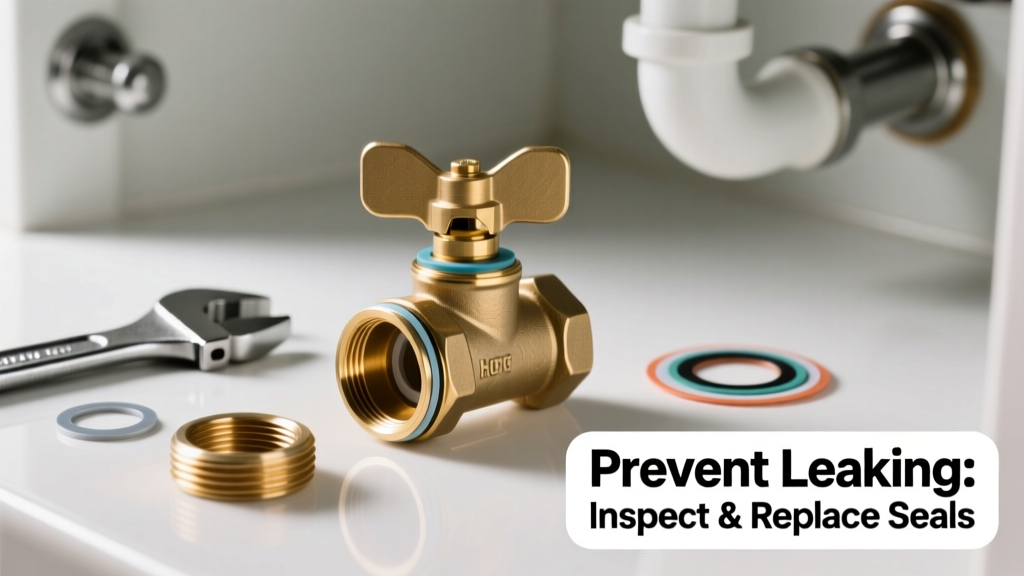
Butterfly valves control water flow in irrigation systems, tankless water heaters, and whole-house filtration units — but when they leak, even a small drip can waste hundreds of gallons per month and risk mold behind walls or slab damage. According to the U.S. EPA, 14% of household water usage is from undetected leaks, many originating at shutoff valves like butterfly types (EPA WaterSense Report, 2023).
Why This Happens
Leaking butterfly valves rarely fail catastrophically overnight. Instead, degradation happens gradually due to three main culprits: seat erosion from sediment-laden water, stem seal compression fatigue, and improper torque during installation or servicing. Hard water minerals build up on the disc edge, preventing full closure; chlorine in municipal supply degrades EPDM seals over time; and overtightening the actuator bolt distorts the body alignment.
- Sediment abrasion wears down the rubber seat surface
- Stem O-rings lose elasticity after 3–5 years of cycling
- Under-torqued mounting bolts allow body flex under pressure
Maintenance Checklist
| Interval | Task | Tools/Notes |
|---|---|---|
| Daily | Verify valve position indicator matches system demand (e.g., 'open' during irrigation cycle) | Visual check only — no tools needed |
| Weekly | Wipe stem and actuator housing; inspect for moisture trails or white mineral residue | Clean microfiber cloth, flashlight |
| Monthly | Operate valve fully open/closed 3x; listen for grinding or uneven resistance | Use calibrated torque wrench if re-tightening actuator |
| Yearly | Replace stem seals and clean seat with non-abrasive sponge + vinegar soak (15 min) | Kit: Parker 4600-EPDM seal set (PN 4600-08); avoid bleach or steel wool |
Warning Signs
Don’t wait for puddles. Early indicators are subtle but consistent. A hissing sound near the valve body during operation suggests seat leakage. Dampness around the stem nut — especially after cycling — points to failed O-rings. If your water meter spins while all fixtures are off and the valve is closed, that’s confirmation of internal bypass.
- Visible weeping at the stem-to-body junction
- Reduced flow downstream despite full-open position
- Corrosion halo around mounting flange bolts
Recommended Products
Not all butterfly valves respond equally to preventive care. Prioritize models with replaceable seats and dual-offset designs — they reduce wear by minimizing disc contact during rotation. Avoid cheap PVC-bodied units in hot-water applications; thermal expansion cracks them within 18 months.
"A properly maintained 316 stainless steel butterfly valve with Viton seat lasts 12+ years in potable water service — but only if stem torque is verified annually with a 12-in-lb preset wrench." — Plumbing Systems Maintenance Handbook, ASSE International, 2022
Can I lubricate the stem without disassembly?
Yes — but only with food-grade silicone grease (e.g., Dow Corning 111). Apply sparingly to the exposed stem shaft before cycling. Never use petroleum jelly: it attracts dust and degrades EPDM. Wipe excess after two full rotations.
Does water pressure affect leakage risk?
Absolutely. Valves rated for 150 PSI perform poorly above 85 PSI long-term. Install a pressure-reducing valve upstream if your municipal supply exceeds 75 PSI — confirmed by a $12 brass gauge like the Watts LF25A. High pressure accelerates seat extrusion.
How tight should the actuator bolts be?
Torque to 18–22 in-lb for ½-inch bolts (most residential units). Use a beam-type torque wrench — not a click-type — because low-range accuracy matters. Overtightening warps the flange face and misaligns the disc. Check bolt tension every 6 months with a calibrated tool.
Is it safe to cycle the valve weekly if it’s rarely used?
Yes — and recommended. Stagnant seals dry out and crack. Weekly cycling maintains elastomer flexibility. Set a recurring phone reminder or tie it to your lawn watering schedule. For infrequently used valves (e.g., emergency shut-offs), cycle them on the first day of each month.
What’s the best way to test for seat leakage?
Close the valve, then isolate it with upstream and downstream ball valves. Drain the trapped section. Pressurize to 50 PSI using a hand pump and watch the gauge for 10 minutes. A drop >2 PSI indicates seat or disc damage. See our DIY pressure test kit guide for affordable options.
Preventing butterfly valve leaks isn’t about replacing parts on a calendar — it’s about matching maintenance to your water quality, usage patterns, and valve specs. A 90-second monthly check takes less time than drying out a soaked cabinet. Start with the stem wipe and sound check this week — you’ll catch 80% of developing issues before they cost you more than water bills.