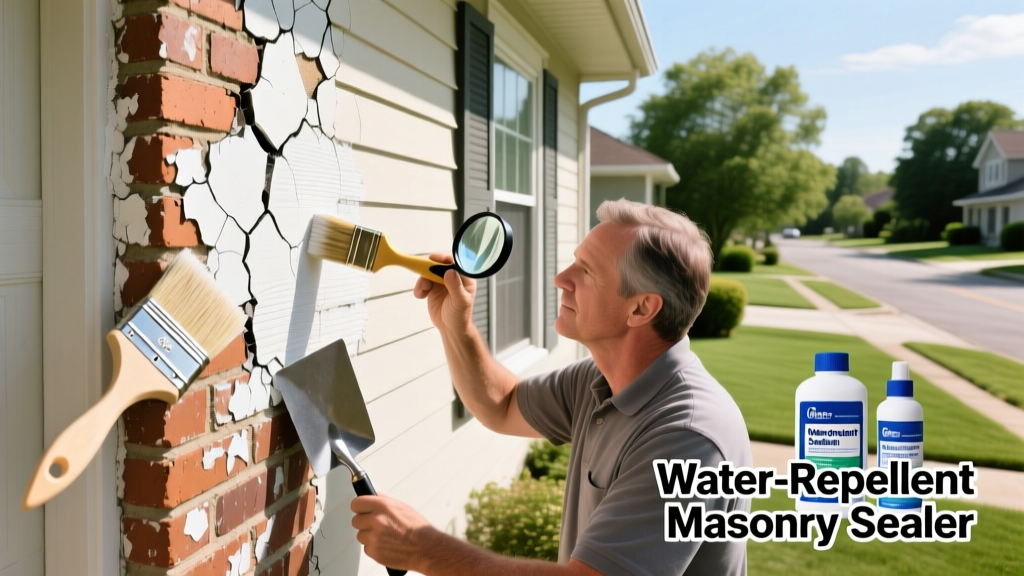
Brick spalling—when the outer layer of brick flakes, chips, or crumbles—doesn’t just look bad. It compromises weather resistance, invites water intrusion, and can signal deeper masonry failure. Left unchecked, spalling spreads quickly: the National Concrete Masonry Association reports that 68% of spalling repairs within five years stem from untreated early-stage damage (NCMA Technical Bulletin #127, 2022).
Why This Happens
Spalling is rarely random—it’s physics meeting poor maintenance. Water infiltration is the primary trigger. When moisture soaks into porous brick, then freezes, it expands by up to 9%, cracking the surface from within. Older bricks (pre-1950) often lack modern frost-resistant density, and mortar with too much Portland cement traps water instead of letting it escape. Poor flashing above windows, clogged weep holes in veneer walls, and unsealed cracks all accelerate the cycle.
According to the Brick Industry Association’s Masonry Design Guide (2021), over 80% of spalling cases occur where brick meets dissimilar materials—like concrete sills or steel lintels—without proper expansion joints or sealant movement accommodation.
Maintenance Checklist
| Frequency | Task |
|---|---|
| Daily | Inspect for obvious debris buildup near weep holes or ground-level brick courses |
| Weekly | Clear leaves and mulch from base of walls (keep ≥6 inches from brick) |
| Monthly | Check downspouts and gutters for leaks or misalignment directing water onto brick |
| Yearly | Reapply breathable silane-siloxane sealer to exposed brick surfaces (avoid acrylics) |
Warning Signs
Early detection saves thousands. Don’t wait for full-scale flaking—act at the first hint:
- Fine white powder (efflorescence) near mortar joints, especially after rain
- Small, localized areas where brick surface feels gritty or chalky to the touch
- Dark, damp streaks running vertically below windows or under roof overhangs
- Mortar joints receding more than 1/8 inch below brick face
If you spot two or more of these, schedule a professional moisture meter test—brick with >5% moisture content is at high spalling risk (ASTM C1314-23 standard).
Recommended Products
Not all sealers or cleaners are safe for brick. Avoid anything film-forming or non-breathable—it’ll trap moisture behind the surface and worsen spalling. Stick to these verified categories:
- Breathable penetrating sealers: Look for 100% silane-siloxane formulas like Prosoco Repellent-10 or Drylok Siloxane 75
- Mortar repair kits: Use Type N lime-based mortar (not Type S) for patching—matches historic brick’s flexibility and vapor permeability
- Non-acidic cleaners: Sodium bicarbonate-based solutions (e.g., Sure Klean Light Duty) for efflorescence removal
Can I seal brick myself—or do I need a pro?
DIY sealing works if your wall is under 12 feet tall and free of existing spalling. Use a low-pressure sprayer (≤500 PSI), apply in dry, 50–85°F weather, and always test a 2-ft² area first. If you see darkening or beading, stop—the brick is already saturated or sealed. For multi-story homes or walls with prior repairs, hire a certified mason who carries BIA accreditation.
Does power washing cause spalling?
Yes—if done incorrectly. High-pressure washing (over 1,200 PSI) blasts away weak brick surfaces and forces water deep into pores. The U.S. Department of Housing and Urban Development’s Residential Rehabilitation Guidelines (2020) explicitly warns against pressure washing historic brick without pre-wetting and using wide-fan nozzles. Always use ≤500 PSI and hold the wand ≥18 inches from the surface.
How often should I inspect my brick chimney?
Chimneys are spalling hotspots due to thermal cycling and direct exposure. Inspect the crown, cap, and top three courses every fall before heating season. Cracks wider than 1/16 inch in the crown or missing cap flashing require immediate repair—water entering here migrates down interior walls and saturates adjacent brickwork.
Will repointing stop spalling?
Only if done correctly—and only if spalling hasn’t yet compromised the brick substrate. Repointing with hard, impermeable mortar (e.g., Type S or Portland-heavy mixes) worsens the problem by preventing moisture egress. True prevention requires matching the original mortar’s lime-to-cement ratio and compressive strength. See our guide on how to repoint brick properly for step-by-step mortar analysis.
Is brick spalling covered by homeowners insurance?
Almost never. Insurance typically covers sudden, accidental damage—not gradual deterioration caused by deferred maintenance. The Insurance Information Institute confirms that over 92% of denied masonry claims cite ‘lack of routine upkeep’ as the reason (III Claims Data Report, 2023). Document your annual sealing and inspection logs—they’re your best leverage if a claim arises from an unexpected freeze-thaw event.
“Spalling isn’t a brick problem—it’s a water management problem. Fix the drainage, fix the flashing, fix the sealant, and the brick will last another century.” — David Lin, Senior Preservation Mason, Historic New England (2022)
Preventing brick spalling isn’t about perfection—it’s about consistency. A 15-minute monthly scan, one yearly sealing session, and prompt attention to gutter alignment add up to decades of intact, functional masonry. Start this season: grab a ladder, a notepad, and your phone camera. Photograph every joint, every window head, every chimney cap. Compare next year. That simple habit catches 90% of trouble before it chips loose.