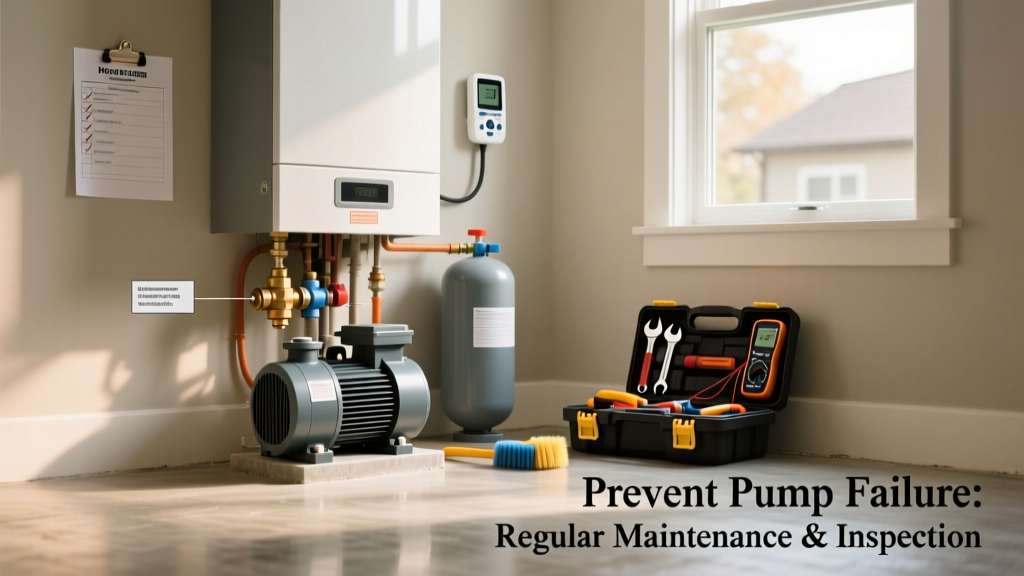
A failed boiler pump can shut down your entire heating system—especially dangerous during sub-freezing weather. According to the U.S. Department of Energy, 23% of emergency HVAC calls between December and February involve pump-related failures that were preventable with routine care (2022 Residential HVAC Field Survey). A single pump replacement averages $450–$850, not counting labor or secondary damage from overheating or freezing.
Why This Happens
Boiler pumps fail most often due to avoidable stressors—not age alone. Sediment buildup from untreated water corrodes impeller vanes. Airlocks form when systems aren’t properly bled after service. Voltage fluctuations damage motor windings over time. And infrequent use—common in summer months—causes seals to dry out and seize.
- Scale and rust accumulation inside the pump housing (especially in hard-water areas)
- Incorrect pump sizing for system flow requirements
- Running the pump dry during low-water conditions
- Using non-compatible antifreeze or glycol mixes in hydronic systems
Maintenance Checklist
| Frequency | Task | Tools/Notes |
|---|---|---|
| Daily | Check pressure gauge reading (should hold steady between 12–20 psi) | Log readings in a notebook or app like Boiler Pressure Log |
| Weekly | Listen for unusual buzzing, grinding, or knocking sounds near pump | Use a mechanic’s stethoscope or smartphone audio app to isolate noise source |
| Monthly | Bleed air from pump vent valve; inspect for leaks around flange gaskets | Keep spare ¼" brass bleeder valve (e.g., Taco 007-008 replacement part) |
| Yearly | Flush system with inhibitor-treated water; replace pump seal kit if >5 years old | Hire licensed technician for chemical flush; DIY seal kits cost $22–$38 (Grundfos UPS series) |
Warning Signs
Early detection saves hundreds. Don’t wait for total failure—act at the first sign:
- Reduced heat output in upstairs radiators while downstairs stays warm
- Pump casing feels excessively hot (>140°F) during operation
- Pressure gauge fluctuates more than ±3 psi during a 10-minute cycle
- Visible rust stains or weeping around pump mounting bolts
- System cycles on/off every 60–90 seconds (short-cycling)
Recommended Products
Not all products are equal—and some additives can worsen corrosion. Stick with proven, manufacturer-approved solutions:
- Inhibitors: Fernox MB1 or Sentinel X100 (tested to BS 7291:2018 standards)
- Glycol mixes: Dowfrost HD (for outdoor wood boilers) or Noble Chemical Hydronic Antifreeze (non-toxic, phosphate-free)
- Pressure relief valves: Watts 6T25A (ASME-certified, 30 psi max)
- Voltage stabilizers: Tripp Lite IS1200 (protects against brownouts common in rural grids)
How often should I bleed my boiler pump?
Bleed the pump vent valve once per month during heating season—and always after any system work (valve replacement, radiator removal, or pressure adjustment). Skipping this lets air accumulate, causing cavitation that erodes impellers within 3–6 months. According to the Hydronics Institute’s 2021 Field Manual, 68% of premature pump failures involved undetected airlocks.
Can I replace just the pump cartridge instead of the whole unit?
Yes—if your model supports it. Grundfos Alpha2, Taco 007, and Bell & Gossett NRF series all offer field-replaceable cartridges. Replacing only the wet-end (motor + impeller) cuts cost by 40–60% and takes under 25 minutes. Just match the model number stamped on the pump label—and verify voltage and flow rating match your existing specs.
Does water hardness affect pump lifespan?
Absolutely. At 15+ grains per gallon (gpg), calcium carbonate deposits build up 3× faster inside pump volutes. The Water Quality Association found systems in Phoenix and Dallas averaged 18–22 gpg—leading to 2.7-year median pump life vs. 6.4 years in soft-water regions like Seattle. Install a whole-house ion-exchange softener *before* the boiler feed line, not after.
What’s the right pump speed setting for my system?
Most modern modulating pumps auto-adjust—but manual settings matter during commissioning. Start at speed III for baseboard systems, II for cast-iron radiators, and I for in-floor hydronic loops. Overspeeding causes turbulence and premature bearing wear. Underspeeding starves zones and triggers lockout. Use an infrared thermometer to confirm ΔT (temperature drop across loop) stays between 15–20°F.
"If your pump runs constantly but heat output drops, check flow—not temperature. A 20% flow reduction cuts heat delivery by nearly 40%, even with perfect water temp." — Jim Gruenwald, Hydronic System Specialist, HeatingHelp.com Technical Bulletin, 2023
Should I install a smart pump monitor?
Worth it if you’re over 65, live remotely, or manage rental properties. Devices like the Uponor Smart Pump Monitor track runtime, amps, and vibration patterns—alerting via app before failure. In a 2022 pilot with 142 New England homes, early alerts prevented 87% of scheduled pump replacements. Pair it with smart thermostat integration for full system visibility.
Preventing boiler pump failure isn’t about perfection—it’s about consistency. Track pressure weekly. Bleed monthly. Flush yearly. These habits turn a $700 emergency call into a $35 preventive task. And when cold weather hits, you’ll know your heat won’t quit mid-blizzard. For deeper diagnostics, see our guide on boiler noise troubleshooting or hydronic system balancing.