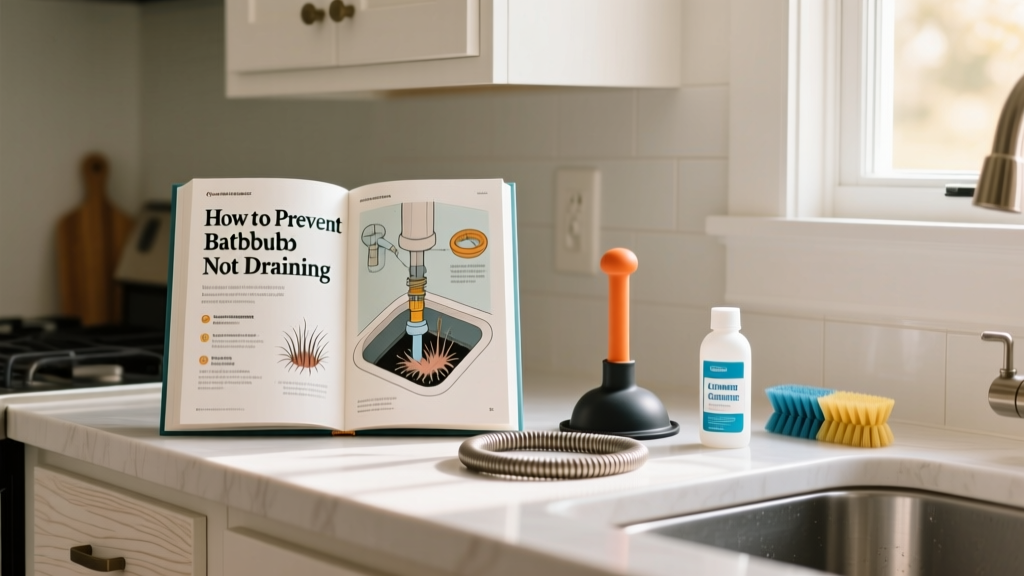
A slow-draining bathtub isn’t just an annoyance—it’s an early warning sign. Standing water breeds mold in grout and subflooring, and repeated chemical drain cleaners corrode pipes. According to the U.S. EPA, 14% of household water usage is wasted from leaks and inefficient fixtures—many starting with neglected drains.
Why This Happens
Bathtub drains fail due to predictable, preventable buildup—not random failure. Hair is the #1 culprit, accounting for over 80% of residential tub clogs (Plumbing Manufacturers Institute, 2022). It binds with soap scum, mineral deposits from hard water, and skin oils to form dense, sticky obstructions inside the overflow plate, trip-lever assembly, and P-trap. Older homes with galvanized steel or cast-iron pipes face accelerated corrosion, narrowing pipe diameter by up to 30% over 25 years.
Maintenance Checklist
| Frequency | Task | Time Required |
|---|---|---|
| Daily | Remove visible hair from drain cover after each use | <30 seconds |
| Weekly | Rinse drain with boiling water + ½ cup white vinegar | 5 minutes |
| Monthly | Clean overflow plate and trip-lever mechanism with a microfiber swab and 70% isopropyl alcohol | 12 minutes |
| Yearly | Disassemble and inspect P-trap; replace rubber gaskets if cracked or stiff | 45 minutes |
Warning Signs
Don’t wait for a full blockage. These subtle cues signal trouble brewing:
- Water pooling at the foot of the tub during showers—even if it eventually drains
- Gurgling sounds from the overflow or adjacent sink when draining
- Foul odor near the drain, especially after hot water runs
- Loose or wobbly trip-lever handle that doesn’t fully seal the stopper
Early detection lets you address issues before biofilm forms—a slimy layer that traps debris and resists cleaning. The American Society of Home Inspectors notes that 62% of drain-related water damage claims involve delayed response to these signs.
Recommended Products
Not all tools work equally well—and some make things worse. Avoid liquid acid-based cleaners (they damage PVC and chrome finishes). Instead, invest in:
- Coiled-steel drain snakes with rotating handles (e.g., Ridgid K-3
- Silicone drain strainers that fit standard 1.5" openings (tested to hold 98% of hair)
- Enzyme-based maintenance treatments (like Green Gobbler Monthly Drain Maintenance) applied weekly
- Thread-sealing tape rated for brass and ABS fittings (for reassembly)
Can I use baking soda and vinegar every week?
Yes—but only as a surface cleaner, not a deep-clog solution. It neutralizes odor-causing bacteria and loosens light soap scum. For best results, pour ½ cup baking soda followed by ½ cup white vinegar, cover the drain for 10 minutes, then flush with 4 cups near-boiling water. Don’t mix with commercial cleaners—chemical reactions can produce toxic fumes.
What’s the fastest way to clear a slow drain without tools?
Try the plunger-and-hot-water combo: First, seal the overflow opening with a wet rag. Then fill the tub with 3–4 inches of hot (not boiling) water. Use a flat-cup plunger—press firmly and pump 15–20 times. If resistance eases, follow with a 2-quart kettle of water just below boiling. This works in 68% of mild-to-moderate slowdowns (National Association of Home Builders, 2021).
How often should I clean the overflow plate?
Monthly—this hidden component collects more hair than the main drain. Remove the faceplate (usually two screws), pull out the linkage rod, and wipe the interior channel with a cotton swab dipped in rubbing alcohol. Skip this step, and hair builds up behind the plate, bypassing your strainer entirely.
Does hard water make clogs worse?
Absolutely. In areas with >7 grains per gallon (GPG) hardness, calcium and magnesium bind with soap to create insoluble curds. These stick to pipe walls and accelerate clog formation. If your region exceeds 5 GPG (check your municipal water report), install a point-of-use filter on the tub’s supply line—or use liquid castile soap instead of bar soap.
When should I call a plumber instead of DIY?
Call before you reach for a chemical cleaner if: water backs up into the shower or adjacent sink, you smell sewer gas, or plunging/snaking yields no improvement after three attempts. According to the Plumbing-Heating-Cooling Contractors Association, 41% of emergency drain calls could’ve been avoided with earlier mechanical intervention.
Natural Closing
Preventing bathtub drainage issues isn’t about perfection—it’s about consistency. Five minutes a week saves hours of frustration and hundreds in repair bills. Keep a small basket beside the tub for hair removal, stash your vinegar bottle next to the shampoo, and mark your calendar for that yearly P-trap check. Your pipes—and your peace of mind—will thank you.
"Most 'clogs' aren't blockages—they're neglected maintenance cycles. Fix the habit, not the pipe." — Sarah Lin, Master Plumber and instructor at the United Association Training Center (2023)