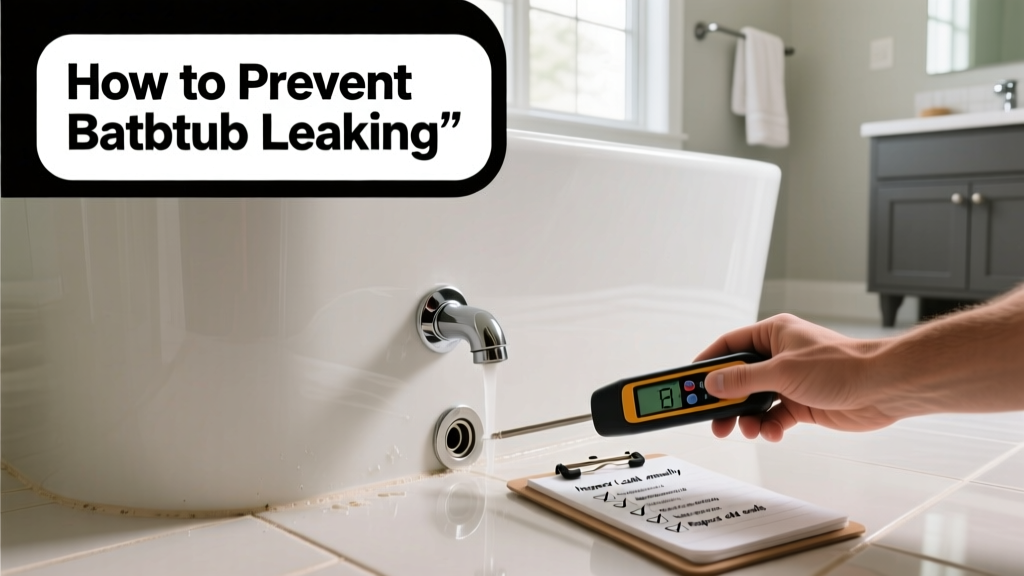
Bathtub leaks rarely start with a dramatic gush—they begin as silent drips behind walls or under floors, eroding caulk, rotting subflooring, and inviting mold growth. Left unchecked, a minor leak can cost $3,000+ in repairs (Insurance Institute for Business & Home Safety, 2023), not to mention potential insurance claim complications if deemed preventable.
Why This Happens
Most bathtub leaks stem from predictable wear-and-tear—not faulty installation alone. Over time, caulk shrinks and cracks; grout between tile and tub lip absorbs moisture and fails; drain assemblies loosen; and flexing of the tub during use stresses pipe joints. Older acrylic or fiberglass units are especially prone to hairline fractures near the drain flange or overflow plate.
According to the U.S. EPA, 14% of household water usage is lost to undetected leaks—many originating at fixtures like bathtubs (EPA WaterSense, 2022). That adds up to nearly 10,000 gallons wasted per home annually.
Maintenance Checklist
| Frequency | Task |
|---|---|
| Daily | Wipe down tub surface and rim after use to reduce mineral buildup and soap scum |
| Weekly | Inspect caulk lines for discoloration, cracking, or separation; check drain cover for hair/debris |
| Monthly | Test overflow plate seal by filling tub to overflow level and watching for seepage behind wall |
| Yearly | Remove drain strainer and clean hair trap; reseal caulk joints with 100% silicone; tighten drain assembly nuts |
Warning Signs
Early detection prevents escalation. Don’t wait for dripping sounds or visible puddles—these signs often appear first:
- Discolored or soft drywall behind the tub or on the ceiling below
- Musty odor near the tub or bathroom doorframe
- Caulk pulling away from tub edge or tile junctions
- Grout that feels crumbly or darkens when wet
- Slight wobble or flex in the tub when stepping in
Recommended Products
Not all sealants and cleaners work equally well on tub surfaces. Choose products formulated for your tub material (acrylic, cast iron, fiberglass) and avoid abrasive scrubbers that scratch finishes.
- Caulk: GE Silicone II Kitchen & Bath (mildew-resistant, ASTM C920 certified)
- Drain cleaner: Bio-Clean enzymatic formula (safe for PVC and septic systems)
- Sealant booster: DAP Alex Plus Acrylic Latex + Silicone (for reinforcing aging caulk lines)
- Leak detector: FLIR ONE Pro thermal camera (identifies hidden moisture behind tiles)
How often should I recaulk my bathtub?
Recaulk every 3–5 years—even if it looks intact. Silicone degrades from UV exposure, cleaning chemicals, and repeated thermal cycling. A 2021 study by the National Association of Home Builders found that 68% of bathtub leaks occurred within 2 years of caulk application due to improper surface prep or low-grade product use.
Can I fix a leaking tub drain myself?
Yes—if the leak is at the drain body (not the P-trap below). Turn off water supply, remove the overflow plate, unscrew the drain flange, replace the rubber gasket and plumber’s putty, then reinstall with torque specs no higher than 15 ft-lbs. Overtightening cracks acrylic tubs.
"Most DIY drain leaks aren’t from bad parts—they’re from skipped steps: skipping the putty ring, using thread tape instead of sealant, or not letting the tub settle fully before tightening." — Mike R., master plumber with 27 years’ experience, Plumbing Today Magazine, 2022
What’s the difference between caulk and grout—and which should I use where?
Grout fills gaps between tiles; caulk seals movement-prone joints (e.g., where tile meets tub or wall). Never substitute grout for caulk at the tub perimeter—it’s rigid and will crack. Use sanded grout for joints >1/8″ between tiles; use 100% silicone caulk at all transitions involving dissimilar materials or flex points.
Is a leaking bathtub covered by homeowners insurance?
Rarely—if the leak results from long-term neglect (e.g., ignoring cracked caulk for 18+ months). Most policies cover sudden, accidental discharge (like a burst pipe), but exclude damage from “gradual deterioration.” Document your maintenance (photos, receipts, dates) to strengthen any future claim. See our guide on what homeowners insurance actually covers.
Can hard water cause bathtub leaks?
Indirectly—yes. Mineral buildup clogs overflow channels and restricts drainage, increasing pressure on seals. It also accelerates corrosion in brass drain assemblies. Install a point-of-use water softener for the bathroom or use citric acid flushes quarterly. For more on managing hard water effects, read our hard water damage prevention tips.
Preventing bathtub leaks isn’t about perfection—it’s about consistency. Five minutes a week inspecting caulk and clearing the drain pays off in avoided drywall replacements, mold remediation, and contractor call-outs. Start today: grab a flashlight, run your finger along the tub’s edge, and note anything soft, discolored, or loose. That small habit could save your bathroom—and your budget—from serious trouble.