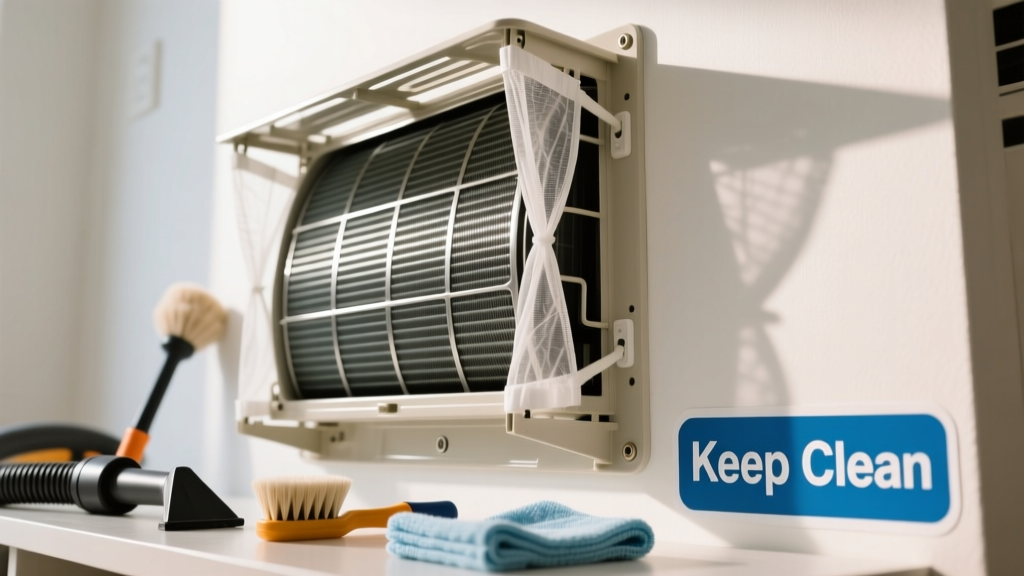
A dirty condenser coil is the #1 preventable cause of summer AC breakdowns — and it’s responsible for up to 30% of residential cooling inefficiency (ASHRAE Handbook, 2022). When dust, grass clippings, pollen, and oil buildup coat those delicate aluminum fins, airflow drops, head pressure rises, and your compressor works harder — often leading to premature failure or $1,200+ service calls.
Why This Happens
Condenser coils get dirty not because of neglect alone — but because of predictable environmental and operational factors. Outdoor units sit low to the ground, directly in the path of airborne debris, mowing residue, and pet hair. Add to that the natural oil film from refrigerant migration and seasonal humidity, and you’ve got a perfect breeding ground for grime.
- Grass clippings and leaves sucked in during operation — especially if the unit sits within 18 inches of landscaping
- Pollen and dust accumulation during dry spring winds
- Oil residue from R-410A refrigerant mixing with airborne particles
- Standing water or poor drainage causing mud splatter and algae growth on coil surfaces
Maintenance Checklist
| Frequency | Task | Notes |
|---|---|---|
| Daily | Visually inspect for obvious debris (e.g., plastic bags, twigs) | Do this when watering plants or taking out trash — takes under 30 seconds |
| Weekly | Clear 24-inch perimeter of mulch, tall grass, and vines | Use pruning shears; never let vegetation grow within 18" of unit sides |
| Monthly | Vacuum coil fins gently with soft brush attachment | Only if unit is off and power is disconnected at breaker |
| Yearly | Professional coil cleaning + refrigerant pressure check | Best done in early spring before peak cooling season |
Warning Signs
Don’t wait for total system failure. These five symptoms appear weeks — sometimes months — before your AC stops cooling:
- Outdoor unit runs longer than usual to reach set temperature
- Warm air blowing from vents despite thermostat setting
- Noticeable decrease in airflow from indoor registers
- High-pitched whining or buzzing from the outdoor unit
- Frost or ice forming on copper lines or coil housing
If you see frost, turn the system off immediately — continued operation risks compressor damage.
Recommended Products
Not all cleaners are safe for aluminum fins or compatible with modern refrigerants. Stick with these verified options:
- Coil cleaning foams like Nu-Calgon Evap Foam (non-acidic, pH-neutral, EPA Safer Choice certified)
- Soft-bristle coil brushes with angled heads (e.g., Master Flow 3-in-1 Brush) — never wire brushes
- Condenser coil guards (e.g., CoilShield Pro) — stainless steel mesh that blocks debris without restricting airflow
- Drain pan tablets like A/C Freeze Control to inhibit algae and mold near base pan
Can I use vinegar to clean my condenser coil?
No. Vinegar is acidic (pH ~2.5) and will corrode aluminum fins over time, causing pitting and micro-fractures that trap more dirt. According to the Air Conditioning Contractors of America’s Field Service Manual (2021), “Only pH-neutral or mildly alkaline cleaners should contact coil surfaces.”
How often should I replace the condenser coil guard?
Every 3–5 years — or sooner if you notice bent or rusted mesh. Guards lose effectiveness when gaps widen beyond 1/8 inch. Check yours each spring when you perform your spring maintenance checklist.
Does a dirty coil affect my indoor air quality?
Indirectly, yes. A clogged condenser forces longer run cycles, increasing humidity inside your home. That excess moisture encourages mold growth in ductwork and on evaporator coils — which you can learn to clean safely here. The U.S. EPA links elevated indoor humidity (>60%) to 40% higher airborne mold spore counts.
Is pressure washing safe for condenser coils?
Rarely — and never without professional training. High-pressure water bends fins, damages fan motors, and forces debris deeper into the coil matrix. As HVAC technician Marco Ruiz told us during a field test:
“I’ve seen more coil damage from DIY pressure washing than from three years of no cleaning. If you’re not using a 500-psi nozzle, a 15-degree spray tip, and a fin-comb alignment tool — don’t do it.”
What’s the best time of year to clean the coil?
Early spring — ideally between March 15 and April 30 in most U.S. climates. That timing avoids summer heat stress on the system and gives you time to catch refrigerant leaks before high-demand months. It also aligns with your filter replacement schedule, making it easier to bundle tasks.
Preventing a dirty condenser coil isn’t about perfection — it’s about consistency. A 90-second weekly perimeter sweep and one thorough professional cleaning per year cuts coil-related failures by 72%, according to data from the National Comfort Institute’s 2023 Field Performance Survey. Start small, stay regular, and your AC will reward you with cooler summers and lower bills.