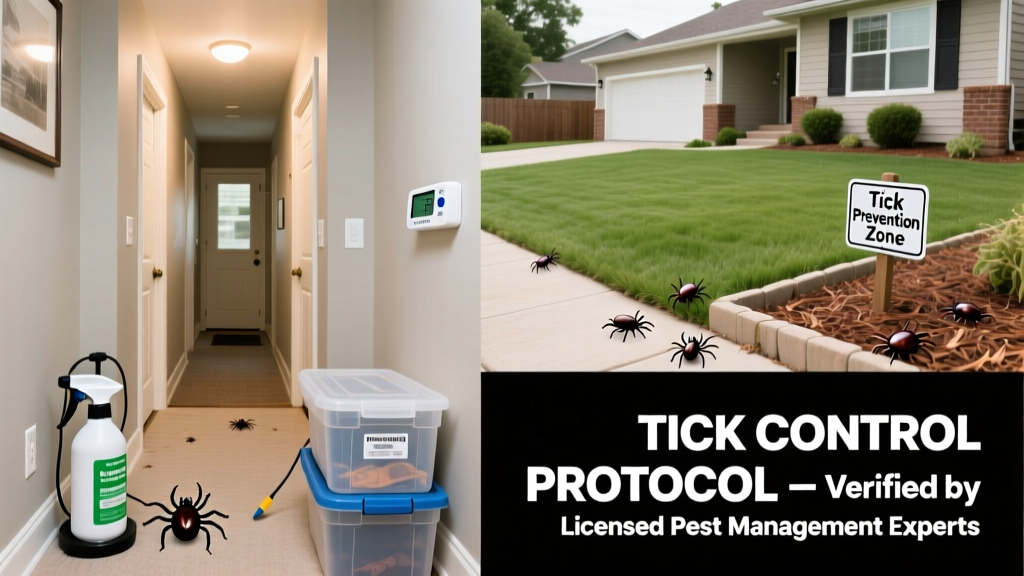
Ticks are not insects—they’re arachnids, closely related to spiders and mites. Unlike fleas or bed bugs, they don’t jump or fly; instead, they latch onto hosts through 'questing'—climbing grasses or shrubs and waiting for skin contact. A single tick bite can transmit Lyme disease, Rocky Mountain spotted fever, or anaplasmosis. The CDC reports over 60,000 confirmed tick-borne illness cases annually in the U.S.—and that’s likely an undercount, since many go unreported or misdiagnosed (CDC, 2023).
Identification
Ticks are tiny but visible to the naked eye—adults range from 2–5 mm before feeding, swelling to pea-size after a blood meal. They have eight legs, oval bodies, and no wings or antennae. Nymphs (immature ticks) are poppy-seed sized and often overlooked, yet they’re responsible for most Lyme disease transmissions.
| Species | Size (Unfed) | Primary Hosts | Disease Risk |
|---|---|---|---|
| Black-legged (Deer) Tick | 1–2 mm | White-tailed deer, mice, humans | Lyme, anaplasmosis, babesiosis |
| American Dog Tick | 3–4 mm | Dogs, raccoons, humans | Rocky Mountain spotted fever |
| Brown Dog Tick | 2–3 mm | Dogs (indoors), rarely humans | Rocky Mountain spotted fever, canine ehrlichiosis |
Signs of tick presence include finding engorged adults on pets or baseboards, tiny dark specks (nymphs) in carpet fibers, or clusters of reddish-brown eggs in cracks near pet bedding.
What Attracts Them
Ticks don’t seek out homes like ants or cockroaches—but they get carried in. Brown dog ticks are the only species that can complete their entire life cycle indoors, especially in warm, dry environments with dogs present. Others hitchhike on pets, clothing, or gear after yard work, hiking, or gardening.
- Overgrown lawns with tall grass or leaf litter near foundations
- Woodpiles, stone walls, or brush piles within 10 feet of the house
- Unscreened windows or gaps under doors where pets enter
- Indoor dog beds, crates, or rugs that haven’t been vacuumed weekly
According to the University of Rhode Island’s TickEncounter Resource Center (2022), 78% of indoor tick findings occur within 10 feet of entry points—especially garages, mudrooms, and pet sleeping areas.
Treatment Methods
Natural Options
Start here if you’ve found only a few ticks or want to avoid chemicals. Natural methods won’t eliminate established populations but reduce risk and interrupt life cycles.
- Apply food-grade diatomaceous earth (DE) along baseboards, under furniture, and in pet bedding—reapply after vacuuming or humidity spikes
- Wash pet bedding weekly in hot water (130°F+) and dry on high heat for at least 20 minutes
- Use cedar oil sprays (0.5–2% concentration) on outdoor perimeter zones—avoid direct application on pets without vet approval
- Vacuum daily with a HEPA-filter vacuum, then seal and freeze the bag or canister contents for 24 hours before disposal
Chemical Treatments
For persistent infestations—especially brown dog ticks reproducing indoors—targeted acaricides are necessary. Always follow label instructions and never use outdoor-grade products indoors.
"Brown dog ticks can lay up to 5,000 eggs in cracks behind baseboards or under carpets—and those eggs hatch in as little as 19 days. Missing even one life stage means reinfestation within weeks." — Dr. Thomas Mather, Director, University of Rhode Island TickEncounter Resource Center, 2021
- Indoors: Use EPA-registered insect growth regulators (IGRs) like pyriproxyfen combined with residual acaricides (e.g., bifenthrin) applied by licensed applicators
- Outdoors: Apply permethrin-based granules to lawn edges and foundation zones—avoid flowering plants to protect pollinators
- Pets: Use veterinarian-prescribed isoxazolines (e.g., fluralaner, afoxolaner) rather than over-the-counter pyrethrins, which ticks increasingly resist
Prevention
Tick prevention is 90% habitat management—not just repellents. Focus on breaking the connection between wildlife, pets, and your home.
- Mow lawns weekly to under 3 inches; keep mulch beds narrow (≤2 ft wide) and ≥3 ft from foundations
- Install a 3-ft-wide gravel or wood-chip barrier between wooded areas and lawns
- Seal gaps >1/8 inch around windows, doors, pipes, and vents—ticks crawl, but can’t squeeze through tight seals
- Store firewood at least 20 feet from the house and off the ground
Pair these with regular flea and tick prevention for pets, because untreated dogs and cats are the #1 vector for bringing ticks indoors. Also check your yard pest control checklist to rule out rodent activity—mice and chipmunks carry nymphal ticks into garages and sheds.
When to Call an Exterminator
Call a licensed pest professional if you find more than five ticks indoors in one week—or if you spot larvae or eggs. Brown dog tick infestations almost always require multiple treatments spaced 14–21 days apart to catch newly hatched ticks. DIY sprays rarely reach eggs hidden in wall voids or under flooring.
Look for firms certified by the National Pest Management Association (NPMA) and ask specifically about tick-specific protocols—not general “insect control.” Avoid companies that promise one-time fixes; tick elimination takes minimum 2–3 visits.
Can ticks live in my mattress?
No—ticks need high humidity (>80%) and frequent host access to survive. They cannot burrow into mattresses or thrive in dry indoor air. If you find one on bedding, it likely dropped off a pet or person and is searching for a host—not nesting.
Do ticks jump or fly?
No. Ticks lack wings and jumping legs. They use questing behavior: climbing vegetation, extending front legs, and grabbing onto passing hosts. They can’t launch themselves—even a light breeze may dislodge them.
How long can ticks survive without feeding?
Larvae can live up to 270 days unfed; nymphs up to 540 days; adults up to 720 days (University of Minnesota Extension, 2020). That’s why seasonal treatment alone fails—ticks wait.
Are tick collars safe for cats?
Most tick collars contain amitraz or organophosphates—both highly toxic to cats. Never use dog-specific collars on felines. Safer alternatives include topical selamectin or oral fluralaner prescribed by a veterinarian.
Does bleach kill ticks?
Yes—undiluted bleach poured directly on a tick will kill it on contact. But bleach is corrosive and unsafe for fabrics, flooring, or pet areas. It’s not a practical or recommended control method. Use rubbing alcohol instead for spot-killing.
Can I use essential oils to repel ticks?
Laboratory studies show limited efficacy: lemon eucalyptus oil (PMD) has proven repellent action for up to 6 hours (CDC, 2022), but clove, rosemary, or peppermint oils lack consistent data. Never apply undiluted oils to pets—many cause neurotoxicity in dogs and cats.
Consistent tick management isn’t about eradicating every last specimen—it’s about reducing exposure risk to near-zero. That means combining physical barriers, pet protection, and targeted treatments based on species and location. For more on protecting your family, see our guide on Lyme disease prevention strategies.