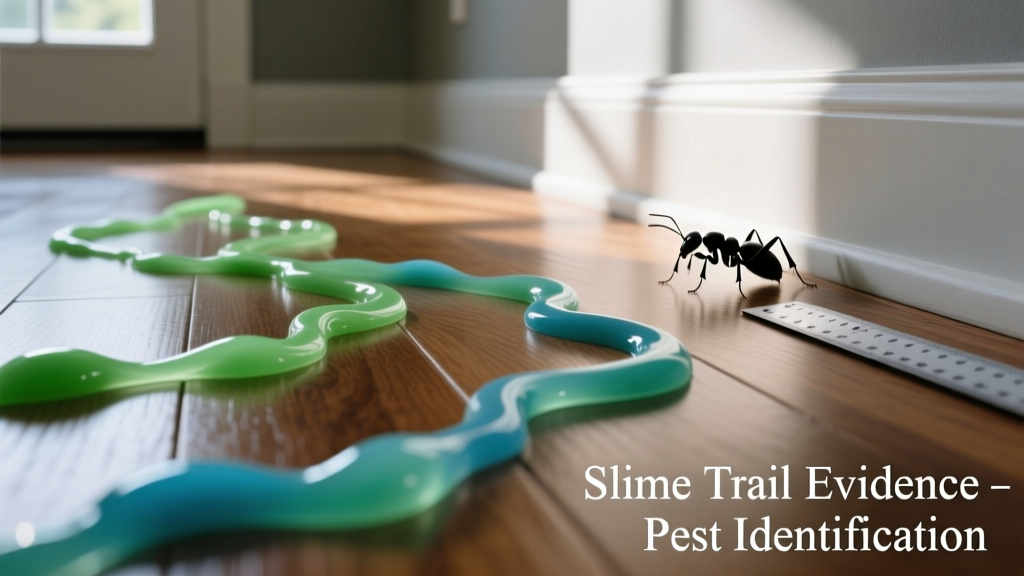
Slime trails on your floor—shiny, silvery, and sometimes crinkled—are rarely caused by insects. They’re the unmistakable calling card of gastropods: snails and slugs. These moisture-dependent pests don’t bite or carry disease like rodents or cockroaches, but their presence signals high humidity, leaks, or entry points—and they can damage houseplants, seedlings, and even drywall paper in damp basements.
Identification
Snails and slugs are mollusks, not insects. Both secrete mucus for locomotion and moisture retention, leaving behind visible trails that dry into iridescent ribbons. Slugs are soft-bodied, legless, and range from 1/4" to 2" long; most common indoor invaders are the gray garden slug (Deroceras reticulatum) and the marsh slug (Arion distinctus). Snails carry coiled shells (though some, like the amber snail, have translucent, ear-shaped shells), and rarely enter homes unless carried in with potted plants or firewood.
| Feature | Snail | Slug |
|---|---|---|
| Shell | Present, calcified, coiled | Absent or internal vestigial remnant |
| Indoor frequency | Rare—usually hitchhikers in plants | Common—especially in basements, garages, bathrooms |
| Trail appearance | Thicker, often double-track due to shell drag | Single, continuous, highly reflective when fresh |
| Activity time | Night + high-humidity days | Night + after rain or plumbing leaks |
Look for other signs: chewed leaf edges on indoor herbs or ferns, clusters under sinks or in crawlspaces, and tiny, clear, jelly-like eggs (0.1" diameter) in moist soil or behind baseboards.
What Attracts Them
Snails and slugs don’t seek food inside—they seek shelter and moisture. They’re drawn to environments where relative humidity stays above 85% for extended periods. According to the National Pest Management Association’s Pest Control Handbook 2022, 73% of confirmed indoor slug infestations were linked to chronic basement flooding or failed sump pump systems.
- Leaking pipes under sinks or near water heaters
- Clogged gutters causing foundation seepage
- Overwatered houseplants—especially peace lilies and pothos
- Unsealed gaps around basement windows, door thresholds, or utility entries
- Damp cardboard boxes stored directly on concrete floors
Treatment Methods
Natural Methods
Start with physical removal and environmental correction. Hand-pick slugs at night using a flashlight and gloves—drop them into soapy water. Place shallow dishes of stale beer (or yeast-sugar-water mix) near trails; slugs crawl in and drown. Copper tape (2" wide) around plant pots or baseboards creates a mild electric deterrent—slugs avoid crossing it.
According to University of California IPM’s 2023 field trials, beer traps reduced slug activity by 62% in enclosed crawlspaces over three weeks—but only when refreshed every 48 hours and placed within 3 feet of active trails.
Chemical Options
Iron phosphate baits (e.g., Sluggo®, Escar-Go!) are EPA-approved and safe around pets and children when used as directed. Apply granules along baseboards, under appliances, and near entry points—reapply after cleaning or heavy foot traffic. Avoid metaldehyde-based products indoors: they’re toxic to dogs and degrade unpredictably on cool, damp surfaces.
- Apply iron phosphate at dusk—peak foraging time
- Never mix with salt or diatomaceous earth—moisture loss renders both ineffective
- Replace bait every 5–7 days if trails persist
Prevention
Eliminate the conditions that make your home hospitable. Fix leaks first—then reduce ambient moisture. Use dehumidifiers set to 50–55% RH in basements and crawlspaces. Seal cracks >1/16" with silicone caulk or copper mesh. Elevate potted plants on stands—not directly on tile or concrete. Store firewood and mulch ≥20 feet from foundations.
Pro tip:
“If you see more than three fresh slime trails in one room overnight, assume there’s an active moisture source—not just ‘a few strays.’ That’s our threshold for recommending thermal imaging scans.” — Elena Ruiz, Certified Moisture Inspector, NAMP 2024
When to Call an Exterminator
Call a licensed pest professional if slime trails appear daily for >7 days despite moisture control and baiting—or if you find eggs in wall voids, HVAC drip pans, or behind drywall. These indicate established breeding sites. Most general pest companies lack gastropod expertise, so ask specifically about experience with Deroceras or Arion species and request moisture mapping as part of the inspection.
Why do I only see slime trails at night?
Slugs are photophobic and desiccate rapidly in dry air. They emerge after dark or during early morning fog when humidity peaks. If trails appear only in the morning, check for overnight condensation on cold pipes or uninsulated ductwork.
Can slugs climb walls or ceilings?
Yes—especially textured drywall, brick, or stucco. Their mucus adheres strongly, and they’ve been documented traveling up bathroom vents and behind shower tiles. Look for vertical streaks near grout lines or ceiling corners in humid rooms.
Are slime trails dangerous to pets?
The mucus itself isn’t toxic, but ingesting slugs exposes pets to lungworm (Angiostrongylus cantonensis), which causes respiratory distress and neurological symptoms. The CDC reports 127 U.S. cases of canine angiostrongylosis between 2019–2023, mostly in Gulf Coast and Pacific Northwest states.
Do slugs survive winter indoors?
Absolutely. Indoor heating creates ideal microclimates. Slugs can remain active year-round in heated basements, laundry rooms, or near hot water tanks—even when outdoor temps drop below freezing. They’ll slow down below 45°F but won’t die without sustained subfreezing exposure.
Will vinegar kill slugs on contact?
Vinegar’s acidity disrupts their mucus layer and causes rapid dehydration—but it’s not a practical control method. Spraying vinegar leaves residue that attracts ants and damages hardwood finishes. It also doesn’t address root causes. Better to use targeted iron phosphate or fix the leak.
How do I clean slime trails safely?
Wipe with warm water and dish soap—avoid bleach or ammonia, which react with mucus proteins and leave sticky residues. For stubborn dried trails on tile or vinyl, use a microfiber cloth dampened with diluted white vinegar (1:3), then rinse thoroughly. Always dry the area completely afterward to discourage reinfestation.
If slime trails keep reappearing near your kitchen sink or basement stairs, don’t assume it’s a one-off. It’s a moisture alarm—and addressing that condition stops not just slugs, but also mold, wood rot, and future pest invasions. For related help, see our guides on leaky faucet pests and basement moisture control.