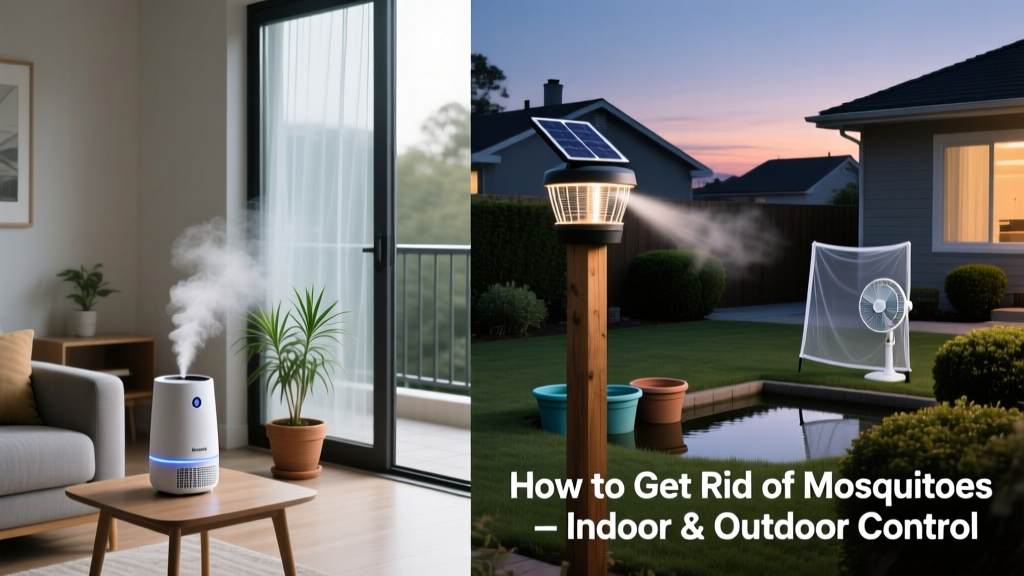
Mosquitoes aren’t just a summer nuisance—they’re disease vectors capable of transmitting West Nile virus, Zika, dengue, and eastern equine encephalitis. In the U.S. alone, the CDC reports over 3,000 confirmed cases of mosquito-borne illness annually (CDC, 2023). Their presence indoors signals nearby standing water or structural gaps—and their bites can trigger allergic reactions in sensitive individuals.
Identification
Mosquitoes are small flying insects—typically 3–6 mm long—with slender bodies, long legs, narrow wings covered in scales, and a distinctive proboscis used for blood-feeding (females only). They’re most active at dawn and dusk, but some species—including the invasive Asian tiger mosquito (Aedes albopictus)—bite aggressively during daylight hours.
Look for these signs:
- High-pitched whining sound near ears, especially at night
- Itchy, red, raised bumps appearing within minutes of a bite
- Small, dark, gnat-like insects resting on walls, ceilings, or window screens
- Larvae ("wrigglers") or pupae ("tumblers") in stagnant water—often visible with a flashlight
| Feature | Mosquito | Fungus Gnat | No-See-Um (Biting Midge) |
|---|---|---|---|
| Size | 3–6 mm | 1–3 mm | 1–3 mm |
| Bite sensation | Sharp sting, delayed itch | No bite (non-blood-feeding) | Intense burning, immediate swelling |
| Wing pattern | Uniform scale coverage | Clear wings, no scales | Fringed wings, tiny hairs visible under magnification |
| Common indoor source | Drain pans, leaky AC units, plant saucers | Overwatered houseplant soil | Open windows near wooded edges or marshy yards |
What Attracts Them
Mosquitoes don’t wander indoors randomly—they follow cues. Carbon dioxide (CO₂) exhalation, body heat, lactic acid, and even certain skin microbiomes draw them in. Indoors, they’re most often attracted to:
- Standing water in potted plant saucers (even ¼ inch holds 100+ eggs)
- Clogged floor drains or condensate pans under refrigerators or HVAC units
- Leaky faucets or pipes that pool under sinks or behind appliances
- Humid rooms (bathrooms, laundry rooms) with poor ventilation
- Unscreened windows or doors with gaps >1/8 inch
According to the American Mosquito Control Association’s 2022 field survey, 68% of residential indoor mosquito finds traced back to untreated water sources within 20 feet of the home’s foundation.
Treatment Methods
Natural Options
Start with physical removal and repellent barriers before resorting to chemicals. Empty all standing water containers daily. Use fans at >5 mph—mosquitoes can’t fly well in airflow. Apply EPA-registered botanical repellents like oil of lemon eucalyptus (OLE) to exposed skin; it provides ~2 hours of protection (EPA, 2023).
For larvae in unavoidable water features (e.g., rain barrels), use Bacillus thuringiensis israelensis (Bti) dunks—safe for pets, birds, and aquatic life, yet lethal to mosquito larvae within 24 hours.
Chemical Treatments
Indoors, avoid broad-spectrum aerosol sprays—they rarely reach resting adults and leave residues. Instead, use pyrethroid-based residual sprays (e.g., deltamethrin) applied as crack-and-crevice treatments along baseboards, window frames, and ceiling corners where mosquitoes rest during daytime. Always follow label instructions and ventilate thoroughly.
For outdoor breeding sites, consider larvicides like methoprene (an insect growth regulator) in ponds or birdbaths—but never in drinking water sources. Adulticiding (fogging) should be reserved for confirmed, widespread infestations and performed by licensed applicators only.
Prevention
Prevention hinges on eliminating breeding sites and blocking entry. Install 18-mesh or finer window and door screens—standard 16-mesh lets through 30% of Aedes species (University of Florida IFAS Extension, 2021). Seal gaps around pipes, vents, and utility entries with copper mesh and silicone caulk.
Keep gutters clear and direct downspouts away from foundations. Store buckets, wheelbarrows, and children’s toys upside-down. Replace birdbath water every 2 days—mosquito eggs hatch in 48 hours.
Consider adding mosquito-eating fish like Gambusia or fathead minnows to ornamental ponds larger than 100 gallons. And if you use outdoor lighting, switch to yellow “bug lights”—they emit less UV and reduce attraction by up to 50% compared to standard incandescents (USDA ARS study, 2020).
When to Call an Exterminator
Call a licensed pest management professional if:
- You find larvae in multiple indoor locations (e.g., bathroom sink trap, basement sump pump, refrigerator drip pan)
- More than 5 adult mosquitoes are seen indoors daily for 3+ consecutive days
- Neighbors report simultaneous infestations—indicating neighborhood-wide breeding sources
- You suspect hidden water accumulation behind walls or under flooring (e.g., after a roof leak or plumbing failure)
Reputable companies will conduct a source inspection—not just spray—and provide a written control plan with follow-up timing. Avoid “one-time fogging” services without site assessment.
Can mosquitoes breed in my houseplants?
Yes—especially in self-watering pots or saucers holding more than 1 day of runoff. Check the soil surface: mosquito larvae appear as tiny, comma-shaped organisms that dart downward when disturbed. Flush pots with a 3:1 water-to-hydrogen-peroxide solution to kill eggs without harming roots.
Do ultrasonic devices work against mosquitoes?
No. Multiple double-blind studies—including a 2022 University of Rhode Island trial—found zero reduction in landing rates or biting activity when ultrasonic emitters were used indoors or outdoors. The FTC has issued warnings to manufacturers making unsupported claims.
Why do some people get bitten more than others?
Genetics play a major role. A 2021 PLOS Biology study identified specific HLA gene variants linked to higher production of carboxylic acids on skin—chemicals that attract Aedes aegypti. Blood type O increases attractiveness by 83% versus type A (Journal of Medical Entomology, 2019). Pregnant individuals exhale ~21% more CO₂ and run slightly warmer—both strong attractants.
Are mosquito bites dangerous for pets?
Yes—especially for dogs. Heartworm disease, transmitted exclusively by infected mosquitoes, affects over 100,000 dogs yearly in the U.S. (American Heartworm Society, 2023). Indoor cats are also at risk if they spend time on screened porches or near open windows. Monthly preventatives are essential year-round in endemic areas.
Can I use citronella candles indoors?
Not safely. Citronella oil produces significant particulate matter when burned—indoor use raises PM2.5 levels beyond WHO-recommended limits within 30 minutes. Opt instead for topical repellents or spatial repellents like metofluthrin-impregnated fan attachments, which have been tested for indoor safety (EPA Registration #71851-12).
How long does a mosquito live indoors?
Typically 4–10 days—but they can survive up to 3 weeks in cool, humid conditions like basements or laundry rooms. Without access to blood meals, females won’t lay eggs, but they’ll continue seeking hosts. That’s why early detection and source elimination matter more than chasing individual bugs.
"If you’re seeing mosquitoes inside, stop looking at your walls and start checking your drains. Over 90% of indoor infestations originate from overlooked water reservoirs—not from outside migration." — Dr. Elena Ruiz, Medical Entomologist, CDC Arboviral Diseases Branch, 2022
Getting rid of mosquitoes isn’t about winning a battle—it’s about changing the environment they depend on. Focus on water, not wings. Fix the drip before you light the coil. And remember: one eliminated breeding site prevents thousands of future bites. For related strategies, see our guides on drain flies, ants, and silverfish, which share similar moisture-driven behaviors.