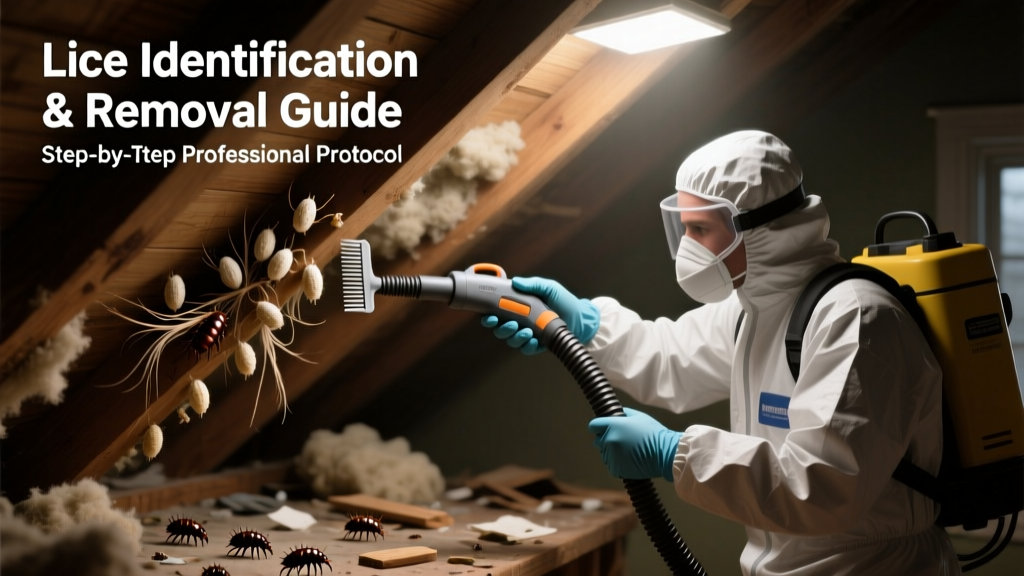
Lice are parasitic insects that feed on human or animal blood—but attic infestations almost never involve human head lice. Instead, what homeowners mistake for "lice" in attics are usually booklice (psocids), bird lice, or rodent-associated lice from nesting wildlife like squirrels or pigeons. These pests thrive in warm, humid, undisturbed spaces with organic debris—and an attic provides the perfect hideout. Left unchecked, they signal deeper issues: moisture intrusion, wildlife entry, or long-term neglect.
Identification
Correct identification is critical—because treating booklice with flea shampoo won’t work, and misidentifying rodent lice as harmless psocids delays addressing a rat or squirrel infestation. Booklice are tiny (1–2 mm), translucent to pale gray, wingless, and have swollen, soft bodies. They don’t bite humans but cluster in damp insulation, cardboard boxes, or old books. Bird or mammal lice are flatter, darker, and more active; you’ll find them on feathers, fur, or nesting materials—not on drywall or beams.
| Pest Type | Size & Color | Primary Habitat in Attic | Bites Humans? |
|---|---|---|---|
| Booklice (Psocids) | 1–2 mm, pale gray/cream | Damp insulation, cardboard, stored paper | No |
| Bird Lice (Menopon spp.) | 2–3 mm, brownish, flattened | Nesting material (feathers, twigs, droppings) | Rarely—only if birds vacate nest |
| Rodent Lice (Polyplax spp.) | 2–4 mm, dark brown, oval | Insulation near entry points, chewed wiring nests | Yes—especially if rodents die indoors |
What Attracts Them
Attics become lice magnets when three conditions align: moisture, organic debris, and host access. Booklice need relative humidity above 60%—common where roof leaks, poor ventilation, or uninsulated ductwork cause condensation. Bird lice arrive with pigeons or starlings building nests in soffits or vents. Rodent lice follow mice or rats that enter through gaps >¼ inch wide, then breed in fiberglass insulation or behind HVAC units.
- Roof leaks or ice damming raising attic humidity
- Unsealed soffit or gable vents allowing bird entry
- Cardboard storage boxes absorbing moisture and harboring mold spores (booklice food)
- Old rodent nests left unremoved after trapping
Treatment Methods
Natural Methods
Start with environmental correction—not pesticides. For booklice, reduce humidity below 50% using a dehumidifier rated for attic use (e.g., Santa Fe Compact 70) and add passive ventilation like ridge vents. Remove all cardboard, paper, and fabric storage—replace with sealed plastic bins. Vacuum thoroughly with a HEPA-filter vacuum, focusing on insulation seams and joist cavities. According to the University of Kentucky Entomology Department’s 2022 Pest Notes, “booklice populations collapse within 72 hours of sustained RH reduction to 45% or lower.”
Chemical Methods
Only consider chemicals after confirming lice type and eliminating moisture sources. For bird or rodent lice, apply pyrethrin-based dust (e.g., DeltaDust) directly into abandoned nests *after* birds or rodents are removed—never while live animals are present. Avoid foggers: they don’t penetrate insulation and pose inhalation risks in confined attics. The U.S. EPA restricts permethrin use in attics unless applied by licensed applicators due to flammability concerns near wiring.
“Treating lice without removing their host or habitat is like mopping a flooded floor without turning off the faucet.” — Dr. Lena Torres, Urban Entomologist, Purdue Extension (2023)
Prevention
Prevent recurrence by sealing entry points and managing moisture year-round. Install ¼-inch stainless steel mesh over all vents, soffits, and gable openings. Inspect roof flashing and chimney caps annually—replace cracked caulk or rusted fasteners. Add a vapor barrier beneath new insulation if your attic has no existing one. Keep stored items off the floor on pallets, and avoid leaving pet carriers or unused bedding up there—even temporarily.
- Install attic vent fans with humidistat controls (set to activate at 55% RH)
- Replace cellulose insulation with borate-treated fiberglass if moisture history exists
- Trim tree branches >6 feet from roofline to block squirrel and bird access
- Schedule annual wildlife exclusion inspections—especially after heavy storms
When to Call an Exterminator
Call a licensed pest management professional if you find live rodents, active bird nests with eggs/chicks, or lice crawling on your skin after attic entry. Also call if booklice persist for >2 weeks despite humidity control—this signals hidden water intrusion behind drywall or under roofing. Companies certified by the National Pest Management Association (NPMA) must follow strict protocols for attic lice linked to wildlife, including mandatory nest removal and biohazard cleanup.
Can booklice damage my home?
No—they don’t chew wood or wiring. But their presence means your attic’s relative humidity is high enough to support mold growth on sheathing and insulation. That mold can degrade R-value and compromise structural integrity over time. See our attic mold removal guide for next steps.
Will lice spread to bedrooms or living areas?
Booklice rarely do—they lack mobility and desiccate quickly in drier rooms. Bird or rodent lice may wander if their host dies or abandons the nest, but they won’t establish colonies elsewhere without a new host. Still, vacuum baseboards and doorways after attic work to intercept strays.
Are lice in the attic dangerous to pets?
Only if your pet has accessed the attic and interacted with nesting wildlife. Rodent lice can transfer to dogs or cats briefly, causing itching—but they won’t reproduce on non-rodent hosts. Consult your vet before applying any topical treatment; many dog flea products are toxic to cats.
How long does it take to eliminate attic lice?
Booklice: 3–7 days with proper humidity control. Bird lice: 1–2 weeks post-nest removal + treatment. Rodent lice: 2–3 weeks, assuming all rodents are excluded and nests fully removed. Delayed results usually point to missed nests or ongoing moisture.
Do I need to discard insulation contaminated with lice?
Not always—but inspect closely. If insulation is damp, moldy, or contains visible nesting material, replacement is safest. Dry, clean insulation with only scattered lice can be vacuumed and treated with diatomaceous earth (food-grade, applied lightly). Never reuse insulation that held a rodent nest—it may contain hantavirus particles.
Can I use bleach to kill lice in the attic?
No. Bleach doesn’t penetrate insulation or crevices, produces hazardous fumes in enclosed spaces, and damages wiring sheathing and wood. It also fails against lice eggs (nits), which adhere tightly to fibers. Stick to mechanical removal and environmental controls.
Attic lice aren’t just a nuisance—they’re a red flag for moisture, wildlife, or neglect. Fix the root cause first: seal, dry, and sanitize. Then monitor with sticky traps near vents and insulation edges for 30 days. If you see movement beyond week two, revisit your exclusion strategy—or call in a specialist. For related concerns, check our guides on squirrel in attic and attic ventilation improvements.