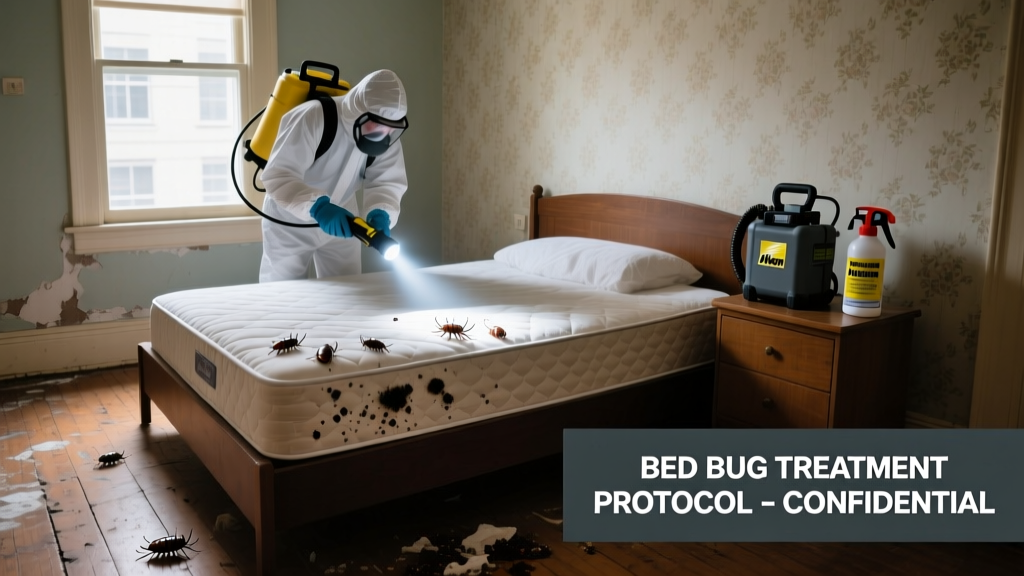
Bed bugs (Cimex lectularius) are tiny, blood-feeding insects that hide in mattress seams, headboards, and baseboard cracks. They don’t transmit disease—but their bites cause intense itching, allergic reactions, and sleep disruption. Left untreated, a single pregnant female can spawn hundreds of offspring in under two months.
Identification
Adult bed bugs are rust-colored, flat, and about the size of an apple seed (4–5 mm). They’re wingless, oval-shaped, and emit a musty, sweetish odor when crushed. Nymphs are translucent or pale yellow and turn redder after feeding. Eggs are tiny (1 mm), pearly white, and stick to fabric or wood with a glue-like substance.
Look for these signs—not just bites:
- Small, dark fecal spots on mattress seams or pillowcases (like ink dots)
- Shed exoskeletons (light tan, hollow shells) near hiding spots
- Live bugs crawling slowly along walls or furniture edges at dawn
- Bite patterns: clusters or lines of 3–5 red, itchy welts—often on arms, shoulders, or neck
| Pest | Size & Color | Key Distinguishing Feature | Feeds on Humans? |
|---|---|---|---|
| Bed bug | 4–5 mm, rusty brown | Flat, oval, no wings, emits coriander-like odor | Yes—nocturnal, blood-only |
| Flea | 1–2 mm, dark brown/black | Laterally compressed; jumps vigorously | Yes—but prefers pets |
| Carpet beetle | 2–3 mm, mottled brown/orange | Round, hairy, feeds on fabric—not blood | No |
| Spider mite | 0.4 mm, red or green | Microscopic; lives on plants, not humans | No |
What Attracts Them
Bed bugs aren’t drawn to dirt—they’re drawn to warmth, carbon dioxide, and blood. They hitchhike via luggage, used furniture, clothing, or shared laundry facilities. High-turnover environments increase risk: college dorms, hotels, apartments, and shelters. According to the National Pest Management Association’s 2023 Bed Bug Report, 99% of pest professionals have treated bed bug infestations in the past year—up from 25% in 2000.
They thrive in cluttered spaces because it multiplies hiding options. But even spotless homes aren’t immune—especially if neighbors have infestations or you’ve recently traveled.
- Staying in hotels or short-term rentals without inspecting bedding first
- Bringing home secondhand furniture without heat-treating or vacuuming
- Leaving clothes on the floor instead of in sealed hampers
- Ignoring early bite reports from family members or roommates
Treatment Methods
Natural & Non-Chemical Options
Start here if you’re dealing with light activity (fewer than 10 live bugs spotted). These methods disrupt life cycles but won’t eliminate heavy infestations alone.
- Heat treatment: Wash all bedding, curtains, and clothing in water ≥120°F (49°C) for ≥30 minutes. Dry on high heat for 30+ minutes. Use a steam cleaner (≥160°F surface temp) on mattresses, box springs, and upholstery.
- Vacuuming: Use a crevice tool daily for 2 weeks. Empty the vacuum bag or canister into a sealed plastic bag, then freeze at 0°F for 4 days before discarding.
- Encasements: Install zippered, bed-bug-proof mattress and box spring covers—leave them on for ≥18 months (the full life cycle).
Chemical Treatments
Over-the-counter sprays rarely work long-term. Many contain pyrethrins or pyrethroids—bed bugs have developed widespread resistance. The U.S. EPA registered only 7 active ingredients as effective against resistant strains as of 2024, including chlorfenapyr and neonicotinoids like acetamiprid.
Always follow label instructions precisely—and never mix products. Never spray directly on bedding or skin. Apply only to cracks, joints, and baseboards—not open surfaces.
"DIY sprays kill what they contact—but miss 90% of hidden bugs. That’s why 73% of self-treated infestations worsen within 30 days." — Dr. Susan Jones, Entomologist, Ohio State University Extension (2023)
Prevention
After treatment, prevention is your best defense. Reinfestation often happens within 30 days if habits don’t change.
- Inspect hotel rooms before unpacking: check mattress seams, headboard, and nightstand drawers with a flashlight
- Use luggage racks—not floors or beds—when traveling
- Quarantine new secondhand items for 2 weeks in sealed plastic before bringing inside
- Keep bedrooms clutter-free: store clothes in drawers or closets, not on chairs or floors
- Install interceptors (e.g., ClimbUp Insect Interceptors) under bed legs to trap migrating bugs
For ongoing monitoring, place bed bug traps near bed legs and along baseboards. Replace every 30 days or when sticky surface loses tack.
When to Call an Exterminator
Call a licensed pest management professional (PMP) if:
- You see live bugs in more than one room
- There are fecal stains on walls or behind outlets
- Multiple family members report bites over 2+ weeks
- You’ve tried heat + encasements + vacuuming for 3 weeks with no reduction
Look for companies certified by the National Pest Management Association (NPMA) and ask for a written inspection report and integrated pest management (IPM) plan. Avoid firms offering “one-time” guarantees—bed bugs require multiple visits.
Can bed bugs live in my hair or ears?
No. Bed bugs lack claws to grip hair shafts and avoid heat-emitting areas like scalps. They prefer fabric folds and wood crevices—not human bodies. If you find bugs on your person, they’re likely hitchhiking—not nesting.
Do bed bug bites always itch?
No. Up to 20% of people show no reaction—even after repeated bites. Others develop delayed sensitivity, meaning bites may not appear for 2–3 days. This delay makes early detection harder, especially in shared housing.
Will washing clothes kill bed bugs?
Yes—if done correctly. Cold washes won’t kill adults or eggs. Use hot water (≥120°F) for ≥30 minutes, then dry on high heat for ≥30 minutes. For delicate items, seal in plastic bags and freeze at 0°F for ≥4 days.
Are bed bugs only in beds?
No. They spread quickly to sofas, nightstands, electrical outlets, picture frames, and even behind wall switch plates. In severe cases, they colonize dressers, bookshelves, and pet beds. Always inspect within 6 feet of sleeping areas.
Can I get rid of bed bugs without throwing away furniture?
Yes—in most cases. Heat, steam, encasements, and targeted chemical applications preserve furniture. Discard only if infested items are severely damaged, non-porous, or impossible to treat (e.g., old upholstered recliners with deep tufting). Before tossing, wrap in heavy-duty plastic and mark “BED BUGS” to prevent spreading.
How long does it take to eliminate bed bugs?
With professional treatment: 2–4 visits over 3–6 weeks. With rigorous DIY: 8–12 weeks minimum—assuming no missed harborages and strict adherence to protocols. The pest control timeline varies based on apartment density, clutter level, and prior treatment attempts.
Bed bugs won’t disappear overnight—but consistent action works. Focus on verification (use magnifiers and flashlights), documentation (track bites and sightings), and persistence. Pair treatments with integrated pest management principles, and you’ll regain control faster than most expect.