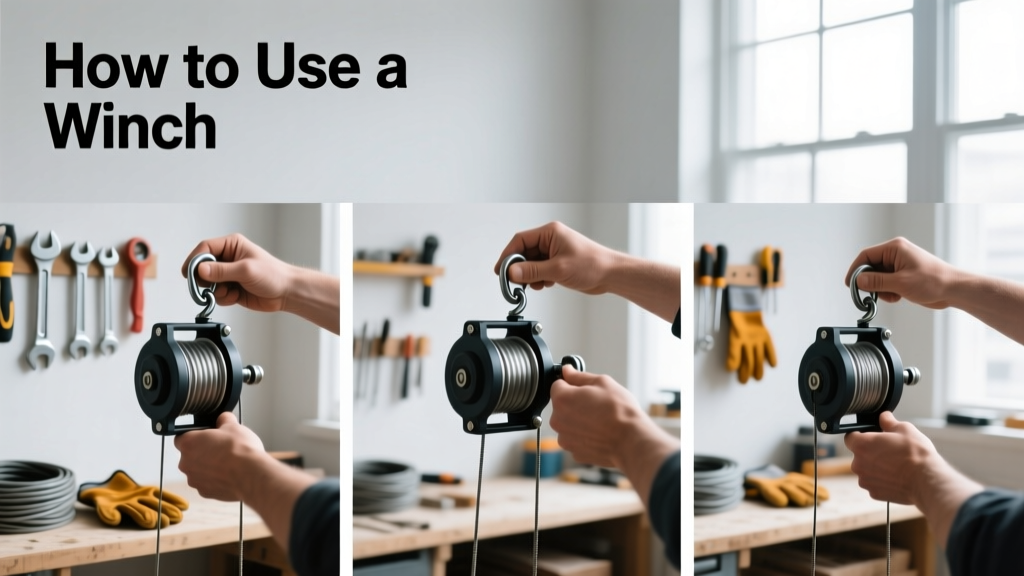
Using a winch isn’t just about pulling—it’s about control, safety, and knowing when *not* to pull. This skill is intermediate in difficulty (requires mechanical awareness but no formal certification), takes 15–30 minutes to perform once set up, and becomes second nature after three real-world uses.
Overview
| Skill Level | Time Required | Tools Needed | Estimated Cost |
|---|---|---|---|
| Intermediate | 15–30 min per recovery | Winch, gloves, tree saver strap, D-ring shackle, hook protector | $0 (if you own the winch); $25–$60 for accessories |
Tools & Materials
| Item | Quantity | Notes |
|---|---|---|
| Electric or hydraulic winch (rated ≥1.5× vehicle weight) | 1 | e.g., 9,500-lb winch for 6,000-lb SUV (per Warn Industries’ 2022 Load Safety Guidelines) |
| Heavy-duty leather or Kevlar-lined gloves | 1 pair | Protects against cable snapback and abrasion—never operate barehanded |
| Tree saver strap (2” wide, 20,000-lb minimum break strength) | 1 | Prevents bark damage and anchor point failure; avoids direct metal-to-metal contact |
| Rated D-ring shackle (≥1.25” pin diameter, Grade 8) | 1–2 | Must match winch hook size; never use hardware-store bolts or carabiners |
| Cable hook protector sleeve | 1 | Slips over hook to prevent cable kinking and fraying during spooling |
Step-by-Step Instructions
1. Inspect and prepare the winch
Visually check the cable for broken strands, kinks, or corrosion. Ensure the drum is evenly spooled—not overlapped or loose. Verify the clutch lever is disengaged (free-spool position) before moving the vehicle into position. If using synthetic rope, confirm the fairlead is aluminum or roller-type—not hawse, which causes heat buildup.
- Tip: Spray cable with silicone-based lubricant every 10 recoveries to reduce friction and rust.
- Warning: Never stand directly in line with the cable path—even during free-spool. A snapped cable can travel 100+ feet at lethal speed.
2. Anchor securely
Attach the tree saver strap around a live, healthy tree (≥12” diameter) or rated recovery point (e.g., bolt-on frame-mounted shackle). Connect the D-ring shackle to the strap’s loop, then clip the winch hook into the shackle. Double-check that the hook’s safety latch clicks fully closed.
- Tip: Anchor point should be 30–45° behind and slightly higher than the winch drum for optimal mechanical advantage.
- Warning: Never wrap cable directly around a tree trunk—this damages both the tree and cable coating.
3. Engage the winch and begin retrieval
Flip the clutch lever to “engage.” Power on the winch controller and gently press the “IN” button. Let the motor take up slack slowly—do not jerk. Keep tension steady; if the load stalls, pause for 30 seconds to let the motor cool. Monitor cable alignment on the drum: reposition the vehicle or adjust anchor if spooling becomes uneven.
According to the Off-Road Recovery Association’s 2023 Field Manual, “Over 68% of winch-related injuries occur during the first 10 seconds of engagement—usually due to misjudged anchor placement or unsecured bystanders.”
4. Secure and disengage
Once the vehicle reaches firm ground, stop the winch. Shift the vehicle into park (or low range + parking brake). Disengage the clutch, then manually tighten the last 3–5 wraps by hand while wearing gloves—this prevents drum slippage. Unhook the D-ring, remove the strap, and inspect the cable for new nicks or flattening before stowing.
Pro Tips
Seasoned off-road techs emphasize two non-negotiable habits: always winch with the engine running (to maintain battery voltage above 12.4V), and never exceed 75% of your winch’s rated capacity for more than 90 seconds. Overheating kills motors faster than overload.
- Common mistake: Using the winch as a hoist. Vehicle winches are designed for horizontal pulls only—vertical lifts void warranties and risk catastrophic failure.
- Common mistake: Letting cable spool off-center. This causes “birdnesting” inside the drum, leading to binding and internal damage.
- Pro tip: Carry a 12V jump pack with winch mode (e.g., NOCO Boost Plus GB40). It can power most 8,000–12,000-lb winches for 3–4 short pulls if your battery fails.
Can I use a winch on a slope?
Yes—but only if the anchor is uphill and the winch faces directly toward it. Never winch sideways across a grade. Use chocks behind downhill tires and keep all personnel upslope and behind the vehicle. The U.S. Forest Service reports a 40% increase in rollover incidents when winching across inclines >12°.
Why does my winch smell hot after one pull?
A faint warm odor is normal after sustained use. A sharp, acrid plastic or burning insulation smell means overheating—stop immediately. Let the motor cool for 5 minutes per minute of run time. Check ventilation slots for mud or debris; clean with compressed air before next use.
Do I need a winch controller extension cable?
You do—if you can’t maintain a safe 15-foot distance from the winch path while operating. Factory remotes often limit visibility and reaction time. A 25-ft waterproof extension (like Smittybilt’s 2022 model) lets you observe spooling and anchor behavior without stepping into danger zones.
Is synthetic rope better than steel cable?
Synthetic is lighter, safer on snapback, and easier to handle—but requires strict UV protection and avoids sharp edges. Steel handles abrasion better but weighs 3–4× more and stores dangerous kinetic energy. According to ARB’s 2023 Winch Line Comparison Study, synthetic lasts 2.3× longer *only* when used with proper rollers and stored dry.
How often should I service my winch?
Every 12 months or 20 hours of cumulative run time—whichever comes first. Replace solenoid contacts at 3 years (even if functional), and grease planetary gears with NLGI #2 lithium complex grease. Skipping service drops mean-time-between-failures by 70%, per Warn’s 2021 Warranty Claim Analysis.
What’s the safest way to store winch cable?
Spool it fully under light tension (just enough to eliminate slack), cover with a breathable canvas sleeve, and hang vertically—not coiled flat on concrete. Moisture trapped under coils accelerates corrosion, especially near salt or fertilizer exposure.
Mastering winch use builds confidence—and prevents costly mistakes in remote terrain. Pair this skill with learning trailer towing fundamentals and 12V electrical troubleshooting to round out your self-reliance toolkit. Practice in an open lot first—then trust it when you really need it.