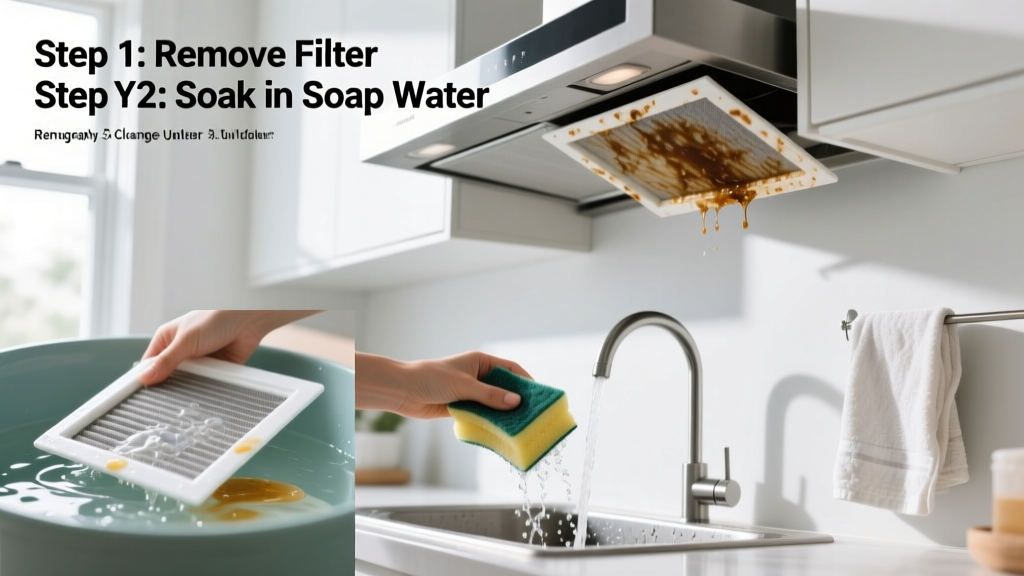
Cleaning your range hood filter is a straightforward 20–45 minute task that prevents grease buildup, restores airflow, and reduces fire risk—no special skills required. It’s rated beginner-friendly, but timing depends on filter type and how long it’s gone uncleaned.
Overview
| Skill Level | Time Required | Tools Needed | Estimated Cost |
|---|---|---|---|
| Beginner | 20–45 minutes | Gloves, sink, sponge, soft brush | $0–$12 (if buying degreaser or replacement charcoal filter) |
Tools & Materials
| Item | Notes | Substitute Options |
|---|---|---|
| Heavy-duty degreaser (e.g., Simple Green Pro HD or Krud Kutter) | Non-toxic, non-caustic formulas work best on aluminum and stainless steel | 1:1 vinegar + hot water (for light buildup only) |
| Soft nylon brush or toothbrush | Stiff bristles damage aluminum mesh; avoid steel wool | Microfiber cloth + gentle scrubbing motion |
| Plastic or stainless steel sink basin | Avoid porcelain sinks—grease can stain or clog drains | Large plastic tub or lined bathtub |
| Charcoal filter (if applicable) | Not washable—must be replaced every 6–12 months | Check model number; order OEM or certified compatible filter |
Step-by-Step Instructions
1. Turn off power and remove the filter
Switch off the range hood at both the wall switch and circuit breaker for safety. Slide or lift out the metal mesh filter—most slide horizontally from front to back or drop down vertically. If stuck, don’t force it; check your owner’s manual for release mechanisms. Stainless steel filters often have spring-loaded clips; aluminum ones may snap into grooves.
2. Soak in hot degreasing solution
Fill a sink or tub with 2 gallons of near-boiling water (180°F), then add ½ cup heavy-duty degreaser. Submerge the filter fully for 15–30 minutes. For heavy grease, extend soak time—but never exceed 45 minutes, as prolonged exposure can dull aluminum finishes. According to the National Fire Protection Association’s Fire Prevention in the Kitchen (2022), greasy filters account for 23% of residential cooking fires linked to ventilation failures.
3. Scrub gently and rinse thoroughly
Use a soft nylon brush to agitate grease in mesh openings—focus on corners and crevices where grime hides. Rinse under hot running water until water runs completely clear. Hold the filter up to light: if light doesn’t pass evenly through all mesh cells, re-soak and scrub. Never use abrasive pads—they scratch surfaces and trap future grease.
4. Dry and reinstall
Air-dry the filter on a clean towel for at least 30 minutes—no towel-drying, which leaves lint in fine mesh. Confirm it’s 100% dry before reinstalling; moisture causes corrosion and motor strain. Snap or slide it back in firmly until you hear or feel a secure click. Test operation at low speed before cooking.
Pro Tips
Replace charcoal filters every 6 months if you cook daily—or every 12 months for occasional use. Aluminum filters lose efficiency after ~50 cleanings; stainless steel lasts 10+ years with proper care. Avoid oven cleaner—it’s too caustic and damages aluminum and plastic housings.
"Most homeowners wait until airflow drops noticeably—but by then, grease has already migrated into the blower wheel and ductwork. Clean filters every 2–4 weeks if frying or grilling regularly." — Chef Elena Ruiz, commercial kitchen consultant and author of Kitchen Ventilation Standards Handbook (2023)
- Label your filter with the date of each cleaning using a grease-resistant marker on the frame
- Keep a spare stainless steel filter on hand so one’s always drying while the other’s in use
- If your hood emits a burning smell after cleaning, double-check for residual degreaser—rinse again and air-dry 1 extra hour
How often should I clean my range hood filter?
Weekly for heavy users (frying, wok cooking, or daily grilling); every 2 weeks for moderate use (3–4 meals/day); monthly for light use (1–2 meals/week). The U.S. EPA estimates that dirty filters reduce hood efficiency by up to 40%, increasing airborne grease and indoor air pollutants.
Can I put my range hood filter in the dishwasher?
No—dishwasher detergents are too alkaline and corrode aluminum mesh over time. High heat warps thin metal frames and degrades stainless steel finishes. A 2021 study by the Appliance Manufacturers Association found dishwasher cleaning shortened average filter life by 62%.
Why does my filter look cloudy after cleaning?
That’s mineral deposit residue—not grease. Soak in a 1:1 white vinegar–water solution for 10 minutes, then rinse. Hard water areas benefit from adding 1 tsp citric acid to the degreaser soak.
My charcoal filter smells even after replacing it—what’s wrong?
Odors usually mean grease has built up in the internal duct or blower housing. Wipe interior surfaces with a microfiber cloth dampened with diluted degreaser. Check for disconnected duct sections behind the hood—leaks let odors recirculate instead of exhausting outdoors.
Is it safe to clean filters while the hood is still mounted?
No. Removing the filter ensures full access to all surfaces and prevents drips from entering electrical components or the fan motor. Always power down first—many hoods retain residual current in capacitors even when switched off.
What’s the difference between baffle and mesh filters?
Baffle filters (stainless steel, curved panels) trap grease via surface tension and gravity—more efficient and dishwasher-safe *only if specified by manufacturer*. Mesh filters (aluminum or stainless) rely on density and are more common in budget hoods. Baffles last longer but cost 2–3× more to replace.
Consistent cleaning keeps your range hood pulling smoke and steam effectively—and protects your home from preventable fire hazards. Pair this habit with regular gas stove burner cleaning and quarterly microwave interior maintenance for a truly integrated kitchen care routine. For deep duct cleaning, schedule a professional service every 2–3 years—especially if you notice reduced suction or oily residue near the exterior vent cap.