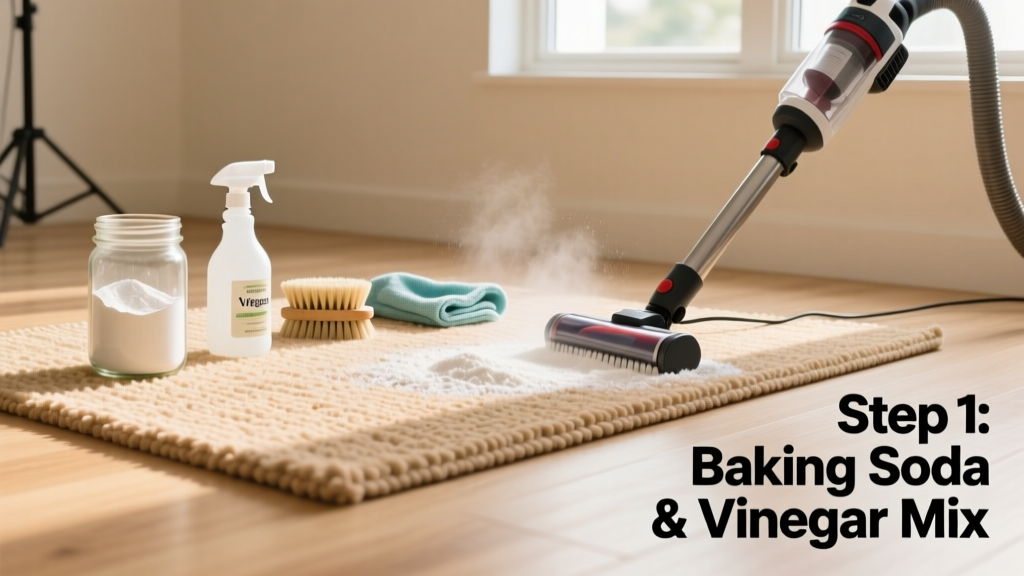
Cleaning carpet naturally means removing dirt, odors, and stains without synthetic chemicals—using pantry staples that are effective, non-toxic, and budget-friendly. This skill is beginner-friendly, takes 1–2 hours (plus drying time), and works on most synthetic and wool-blend carpets—but not on delicate silk or antique rugs.
Overview
| Skill Level | Time Required | Tools Needed | Estimated Cost |
|---|---|---|---|
| Beginner | 1.5–2.5 hours (including 6–8 hr dry time) | Vacuum, spray bottle, stiff-bristle brush, white cloths, fan or dehumidifier | $3–$12 (most supplies already in pantry) |
Tools & Materials
| Item | Quantity | Notes |
|---|---|---|
| White distilled vinegar | 1 cup | 5% acidity; avoid apple cider vinegar—it can stain |
| Baking soda | 1 cup (plus extra for spot treatment) | Aluminum-free, unscented preferred |
| Liquid castile soap (unscented) | 1 tbsp | Dr. Bronner’s is widely tested; avoid dish soap—it leaves residue |
| Warm distilled water | 2 cups | Prevents mineral deposits from tap water |
| Microfiber cloths or white cotton rags | 4–6 | No colored fabrics—dyes may bleed |
Step-by-Step Instructions
Vacuum thoroughly first
Run a dry vacuum over the entire area twice—once with the beater bar engaged, once with it off—to lift surface grit and pet hair. Skip this step, and you’ll grind debris deeper during wet cleaning. If your vacuum has a HEPA filter, use it: the EPA estimates that 40% of indoor dust contains allergens that recirculate without proper filtration (U.S. EPA Indoor Air Quality Guide, 2022).
Mix and apply the cleaning solution
In a clean spray bottle, combine 1 cup warm distilled water, 1 cup white vinegar, and 1 tablespoon unscented liquid castile soap. Shake gently—don’t create suds. Lightly mist a 3' × 3' section (no soaking). Over-wetting causes backing delamination and mold risk behind the carpet pad.
Scrub gently with a stiff-bristle brush
Using circular motions, scrub the dampened area for 60–90 seconds. Focus on high-traffic zones and visible soiling—but never scrub aggressively on wool or olefin fibers. A too-stiff brush can fray pile ends. Rinse your brush under cool water every 2 minutes to prevent paste buildup.
Blot, don’t rub — then dry fast
Press dry microfiber cloths firmly onto the area, lifting upward to absorb moisture and suspended soil. Replace cloths as they saturate. After blotting, place two box fans on low speed angled across the zone—and run a dehumidifier in the room if humidity exceeds 50%. Carpets take 6–8 hours to fully dry; incomplete drying invites mildew and re-soiling.
Pro Tips
According to Sarah Chen, certified textile restorer with IICRC since 2011, “Baking soda alone doesn’t clean—it deodorizes and lifts surface oils. Always pair it with mechanical action (brushing) and moisture removal (blotting) for real soil extraction.”
- For pet urine spots: sprinkle baking soda, then mist lightly with 1:1 vinegar-water *only after* blotting fresh urine. Never mix vinegar and ammonia-based cleaners—they produce toxic chloramine gas.
- Test all solutions in an inconspicuous corner first—especially on Berber or loop-pile carpets, which can wick stains downward.
- Rotate furniture every 3 months. The Carpet and Rug Institute reports that 78% of permanent carpet indentations happen within the first year of static placement.
Can I use lemon juice instead of vinegar?
No. Lemon juice has citric acid that’s unstable under light and heat—it yellows light-colored fibers over time and lacks the consistent pH (2.4–3.4) vinegar provides for safe protein breakdown. Stick with plain white vinegar.
Will baking soda bleach my carpet?
Not when used as directed. Baking soda is pH 8.3—mildly alkaline but non-oxidizing. It won’t fade dyes like hydrogen peroxide or chlorine bleach. However, leave it on longer than 15 minutes on dark wool, and it may temporarily dull luster until vacuumed.
How often should I clean carpet naturally?
Every 3–4 months in living rooms and hallways; bedrooms every 6 months. High-pet households need monthly spot treatment and biannual deep cleaning. The American Lung Association recommends natural cleaning between professional steam cleans to reduce VOC exposure by up to 60%.
Why does my carpet look dirtier after natural cleaning?
Residue from prior commercial cleaners (especially silicone-based protectants) can react with vinegar, causing temporary cloudiness. It clears after full drying and vacuuming. If it persists, rinse the area with distilled water only and blot again.
Can I use this method on stairs?
Yes—with modifications. Use a smaller spray bottle (8 oz), apply solution in 2-ft sections, and scrub vertically (top to bottom) to avoid runoff into tread gaps. Dry each step individually with fans angled downward. Stair treads dry 40% slower than flat floors due to reduced airflow (CRB Technical Bulletin #227, 2021).
Does natural cleaning kill dust mites?
Not directly—but reducing humidity below 50% (via fans/dehumidifiers during drying) kills 90% of dust mites within 24 hours. Vacuuming with a HEPA filter removes live mites and fecal matter, the true allergen source. Combine both for best results.
Natural carpet cleaning isn’t about perfection—it’s about consistency, patience, and respecting your home’s materials. You’ll notice less static, fresher air, and carpets that hold color longer. For stubborn oil-based stains, try our grease stain removal guide. And if you’re prepping for allergy season, pair this with our natural air duct cleaning method for whole-room relief.