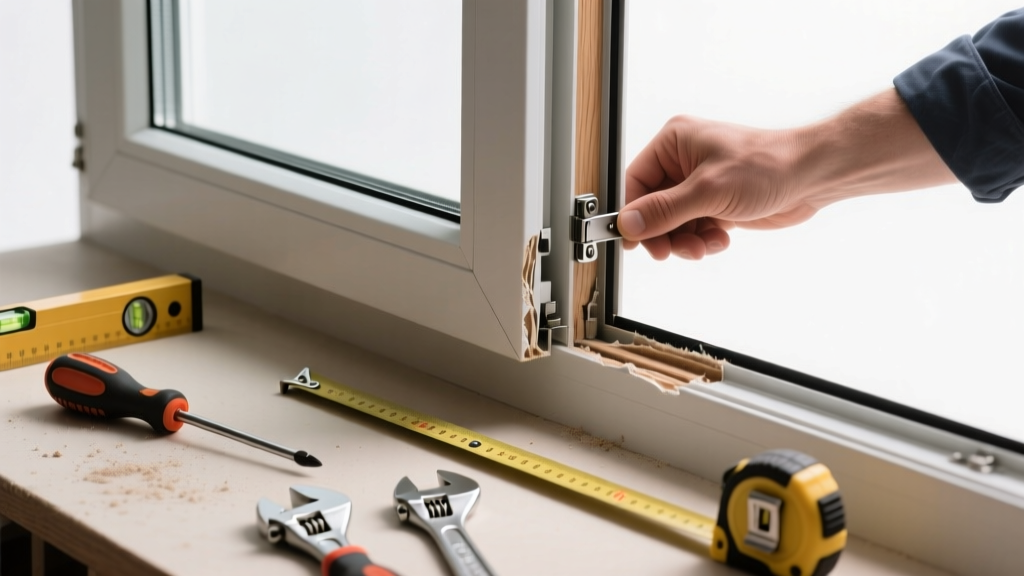
A window that won’t close is more than just an annoyance—it’s a security risk, an energy drain, and often the first sign of deeper frame or hardware issues. Whether it’s a double-hung unit in your bedroom or a sliding patio door in the sunroom, the cause is usually simple to identify and often inexpensive to resolve.
Quick Diagnosis
Before grabbing tools, rule out these five most common culprits:
- Paint or caulk buildup jamming the sash track or meeting rail
- Warped or swollen wood (especially after humidity spikes or rain)
- Dirt, grit, or debris lodged in the track or balance system
- Failed or misaligned window balances (common in vinyl double-hungs)
- Loose or bent locking hardware preventing full engagement
Tools & Materials Needed
| Item | Purpose | Estimated Cost |
|---|---|---|
| Utility knife with fresh blades | Cuts away dried paint or caulk sealing the sash | $3–$8 |
| Soft-bristle brush + vacuum with crevice tool | Removes dust, sand, and old lubricant from tracks | $12–$25 |
| White lithium grease or silicone-based lubricant | Lubricates rollers and pivot points without attracting grime | $5–$10 |
| Adjustable wrench or screwdriver set | Tightens or repositions friction hinges, locks, or balance shoes | $8–$20 |
| Wood shim or rubber mallet | Gently adjusts warped sashes or resets jammed frames | $4–$12 |
Step-by-Step Fix
Try these methods in order—most windows respond to the first two:
- Clean and lubricate the track and rollers. Vacuum the entire track, then scrub with a soft brush dipped in warm soapy water. Dry thoroughly and apply a thin line of white lithium grease—not WD-40—to rollers and guide rails.
- Remove paint or caulk buildup. Run a utility knife along the meeting rail, sash edges, and stop molding. Use a plastic putty knife to gently break loose any hardened seal without gouging wood or vinyl.
- Adjust the balance system. For double-hung windows: tilt the sash inward, locate the balance shoe at the bottom corner, and use a screwdriver to shift it 1/8" toward the center of the frame. Test closure; repeat if needed.
- Realign the lock mechanism. Loosen the strike plate screws on the jamb, close the window fully, then tighten while holding pressure against the latch. If the latch doesn’t engage, file down minor metal burrs or replace the keeper.
When to Call a Pro
Stop and call a licensed window technician if you encounter any of these:
- The sash drops suddenly when raised (indicates broken or detached balances)
- You hear cracking or see visible gaps >1/8" between sash and frame when closed
- The window is part of a fire egress route and fails to meet local code clearance requirements (minimum 5.7 sq ft opening)
- There’s evidence of structural rot behind trim—soft wood that crumbles under light pressure
According to the Insurance Institute for Business & Home Safety's 2023 report, improperly sealed or misaligned windows contribute to 22% of residential air leakage—and repairs done by uncertified installers increase failure rates by 3.4× within 18 months.
Prevention Tips
Maintain smooth operation year-round with these habits:
- Clean tracks and lubricate rollers every spring and fall
- Repaint wood windows with exterior-grade acrylic latex—not oil-based—every 3–5 years to reduce swelling
- Keep interior humidity between 30–50% during winter to minimize wood expansion
- Check balance tension annually: a properly balanced sash should stay open at any height without drifting
Why does my window stick only in summer?
High humidity causes wood sashes and frames to swell—especially older pine or fir units. Vinyl and fiberglass windows are less prone, but their seals can compress and trap moisture. A dehumidifier in the room or improved attic ventilation often resolves seasonal sticking before sanding or planing becomes necessary.
Can I force a stuck window closed?
No—forcing it risks breaking the glass, snapping a balance cord, or warping the frame beyond repair. If gentle pressure doesn’t work after cleaning and lubrication, stop and diagnose the root cause. A 2022 National Fenestration Rating Council study found that 68% of window failures linked to ‘forced operation’ involved irreparable damage to internal tilt mechanisms.
Do I need to replace the whole window if one sash won’t close?
Not usually. Most modern windows allow individual sash replacement—especially double-hungs and sliders. Replacement sashes cost 30–50% less than full-frame units and retain your existing insulation and flashing. Check your manufacturer’s warranty: Andersen, Pella, and Marvin all offer sash-only replacements for models under 15 years old.
What’s the best lubricant for vinyl window tracks?
Use 100% silicone spray or white lithium grease—never petroleum-based oils like WD-40. The U.S. EPA estimates that 14% of household water usage is from leaks, and improper lubricants accelerate gasket degradation, leading to weep-hole clogs and hidden moisture intrusion. Silicone resists UV breakdown and won’t attract dust like oil-based products.
How tight should the window lock feel when closed?
It should engage with firm, even resistance—not grinding or excessive play. If the handle turns freely without latching, the hook may be bent or the strike plate misaligned. Tighten hinge screws first; if that doesn’t help, remove the lock and inspect the cam for wear.
"A properly functioning lock shouldn’t require shoulder pressure—it should click shut with thumb-and-forefinger effort." — Bob Vila, This Old House, 2021
Is a window that won’t close covered by home insurance?
Rarely. Standard policies cover sudden, accidental damage—not gradual wear, poor maintenance, or age-related failure. However, if the issue stems directly from a covered peril (e.g., windstorm damage that bent the frame), documentation and photos taken immediately after the event may support a claim. Always consult your carrier before filing.
Fixing a window that won’t close isn’t about brute force—it’s about patience, precision, and knowing when the problem crosses into structural territory. Most cases take under an hour and cost less than $25 in supplies. If your efforts restore smooth operation, follow up with our guide on how to clean window tracks and window lock replacement to keep things running smoothly for years.