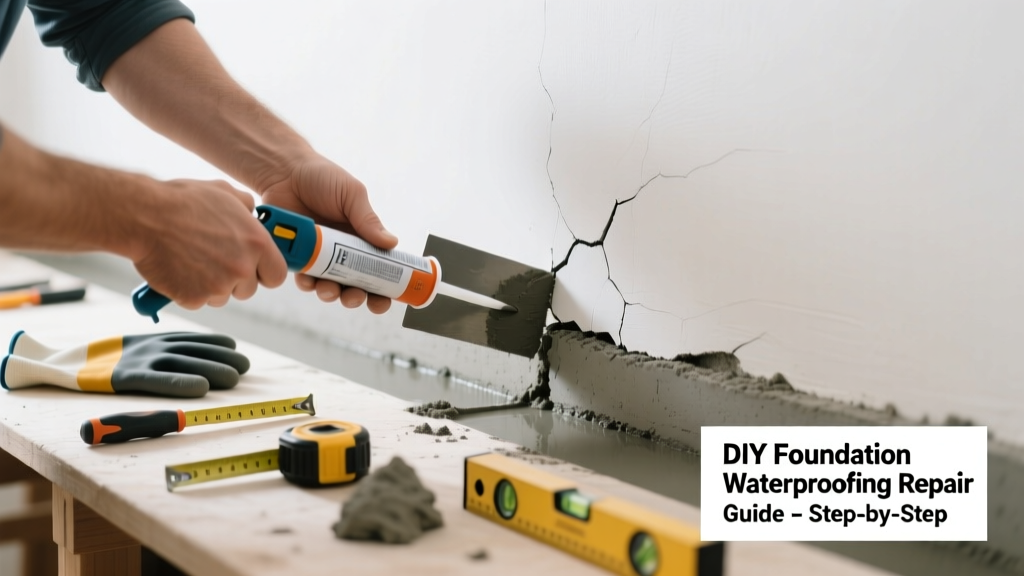
Water pooling within 12 inches of your home’s foundation isn’t just unsightly—it’s a red flag for potential basement flooding, soil erosion, and long-term structural stress. Left unaddressed, even minor pooling can compromise footing integrity in as little as two wet seasons. Most cases stem from simple grading or drainage issues you can correct yourself—often in under a day.
Quick Diagnosis
Before grabbing tools, identify the root cause. Look for these telltale signs:
- Soil sloping toward the foundation instead of away (ideal grade is 6 inches drop over first 10 feet)
- Clogged or disconnected downspouts dumping water within 3 feet of the wall
- Cracked or sunken concrete walkways or patios directing runoff inward
- Missing or collapsed French drain lines near the footing
- Overflowing gutters during moderate rain (check for debris or sagging sections)
Tools & Materials Needed
| Item | Purpose | Estimated Cost |
|---|---|---|
| Rotary laser level or string line & stakes | Verifies ground slope accuracy to 1/4" per foot | $45–$120 |
| Stiff-bristle push broom & garden rake | Smooths and compacts topsoil without overworking clay | $12–$25 |
| Perforated PVC pipe (4" diameter) | Core component of DIY French drain system | $3–$5 per 10 ft |
| Washed gravel (3/4" crushed stone) | Provides drainage envelope and prevents pipe clogging | $40–$65 per ton |
| Filter fabric (non-woven geotextile) | Blocks silt while allowing water flow into drain | $0.75–$1.25 per sq ft |
Step-by-Step Fix
Start with the most common and lowest-risk solution first:
- Regrade the soil: Remove sod 6–8 inches deep along the foundation’s first 4 feet. Add compactable fill (like sandy loam) to achieve minimum 5% slope (6" drop over 10'). Tamp in 2-inch lifts using a hand tamper—don’t rely on rain or foot traffic for compaction.
- Extend downspouts: Attach rigid 3" or 4" aluminum or PVC extensions that route water at least 5 feet from the foundation. Anchor with landscape staples every 3 feet; avoid flexible corrugated pipe—it collapses and clogs.
- Install a shallow French drain: Dig a 12"-deep, 6"-wide trench 12–18" from the foundation wall. Line with filter fabric, add 2" gravel, lay perforated pipe (holes down), cover with 2" more gravel, then wrap fabric ends over top. Backfill with native soil—not topsoil—and crown slightly above grade.
When to Call a Pro
DIY stops where safety and engineering begin. Contact a licensed foundation contractor if you observe any of these:
- Visible horizontal cracks wider than 1/8" in basement walls or exterior foundation
- Standing water persisting >48 hours after heavy rain, especially if accompanied by musty odors or efflorescence
- Soil heaving or bulging near the footing—this signals hydrostatic pressure buildup
- Drainage corrections fail twice in one season despite proper grading and downspout extension
According to the Insurance Institute for Business & Home Safety's 2023 report, homes with chronic foundation water exposure face 3.2× higher risk of structural repair claims within five years.
Prevention Tips
Maintain your fixes year-round with these habits:
- Clean gutters and inspect downspout extensions every spring and fall
- Reslope soil annually—freeze-thaw cycles and settling erode grades faster than most realize
- Plant shrubs or ornamental grasses (not thirsty trees) within 6 feet of the foundation to stabilize soil without aggressive roots
- Install splash blocks only as a temporary measure—they rarely last more than 2 seasons before washing away
How deep should I dig for a French drain near my foundation?
Dig to a minimum depth of 12 inches and ensure the pipe sits at least 2 inches below the bottom of your footing. For homes with basements, many pros recommend 18–24" depth—but never excavate deeper than 12" without shoring or professional oversight. A shallow 12" drain handles surface runoff effectively in 80% of residential cases, per the American Society of Civil Engineers’ 2022 Drainage Guidelines.
Can I use mulch or topsoil to fix the slope?
No—mulch decomposes and washes away; topsoil retains too much moisture and slumps. Use engineered fill like ASTM C33 sand or a 70/30 sand-clay mix. These compact reliably and resist erosion. Never add more than 2 inches of material directly against foundation walls—trapping moisture there invites termite entry and spalling brickwork.
Will regrading fix basement seepage?
Often yes—but only if the seepage originates from surface water, not groundwater or high water tables. If water enters through floor-wall joints or appears during dry spells, you likely need interior drainage or sump pump upgrades. See our guide on basement water seepage solutions for next steps.
How often should I check my downspout extensions?
Inspect them after every major storm and at least twice yearly. Replace plastic extensions every 3–5 years—they become brittle in UV exposure. Aluminum lasts 10+ years but dents easily; secure with stainless steel screws, not nails, to prevent loosening.
Is standing water near the foundation always dangerous?
Not immediately—but it’s never benign. The U.S. EPA estimates that 14% of household water usage is from leaks and runoff-related waste, and prolonged saturation reduces soil bearing capacity by up to 40% (National Association of Home Builders, 2021). Even small pools accelerate freeze-thaw damage in cold climates.
Can I install a French drain myself if I have clay soil?
Yes—but double the gravel layer (4" under and 4" over pipe) and use heavier-duty filter fabric rated for low-permeability soils. Clay slows drainage, so pitch the pipe at 1% (1/8" per foot) minimum. Test infiltration with a percolation test first: dig a 12"x12" hole, fill with water twice, time how long 6" drains. If it takes >2 hours, consult a soils engineer before digging.
A properly graded yard doesn’t just look tidy—it’s your home’s first line of defense against water damage. Re-grading and extending downspouts cost under $150 in materials and pay for themselves the first time they prevent a flooded crawl space. Keep an eye on the soil line after heavy rains, and don’t wait until you see cracks or damp drywall to act. For persistent issues, review our foundation crack repair checklist or seasonal gutter maintenance schedule to close other entry points.