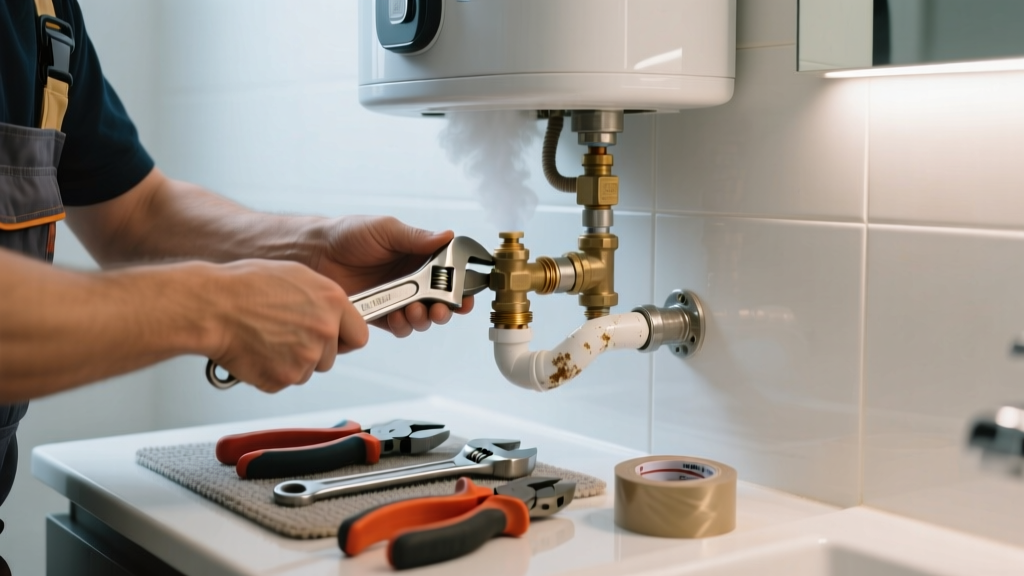
If your water heater is making noise—and you hear it most clearly in the bathroom—it’s not just an annoyance; it’s a warning sign. That rumble, pop, or high-pitched whine often points to sediment buildup, loose components, or pressure issues that worsen over time. Ignoring it can lead to reduced efficiency, premature failure, or even scalding risks.
Quick Diagnosis
Start by identifying the sound and when it occurs:
- Rumbling or popping during heating → Likely sediment accumulation in the tank (common in homes with hard water)
- High-pitched squealing or whining → Faulty temperature/pressure (T&P) valve or failing dip tube
- Banging or knocking when hot water runs → Thermal expansion in closed-loop plumbing systems
- Vibrating hum near the bathroom wall → Loose mounting bracket or failing heating element contacting sediment
Tools & Materials Needed
| Item | Purpose | Estimated Cost |
|---|---|---|
| 5-gallon bucket | Catches water during flush or valve testing | $8–$12 |
| Wrench (adjustable or 12-inch pipe) | Loosening drain valve and T&P valve connections | $10–$25 |
| Replacement T&P valve (ASME-certified) | Direct fix for whining or leaking valves | $12–$22 |
| Thermal expansion tank (2-gallon) | Stabilizes pressure in closed systems causing banging | $45–$75 |
| White vinegar (1 gallon) | Dissolves mineral deposits during descaling | $4–$6 |
Step-by-Step Fix
- Flush the tank: Turn off power/gas and cold-water supply. Attach a garden hose to the drain valve, run it to a floor drain or bucket, and open the valve. Let 3–5 gallons drain while briefly opening the pressure relief valve to break suction. Repeat until water runs clear.
- Test and replace the T&P valve: Lift the lever on the valve and let it snap back. If it doesn’t seal tightly or leaks afterward, replace it immediately using a wrench and pipe thread sealant. Full replacement instructions here.
- Install a thermal expansion tank: If your home has a check valve or pressure-reducing valve on the main line, install a 2-gallon expansion tank on the cold inlet within 12 inches of the water heater. Pre-charge it to match your home’s water pressure (typically 50–60 psi).
- Check and secure mounting brackets: With power off, inspect the heater’s wall-mounting hardware—especially if it’s mounted in an adjacent closet or utility space sharing a wall with the bathroom. Tighten loose bolts and add rubber isolation pads between metal brackets and studs.
When to Call a Pro
Stop and call a licensed plumber or HVAC technician if:
- You smell gas near a gas water heater (evacuate and call your utility company immediately)
- The tank shows visible rust, bulging, or pooling water at the base
- Water temperature fluctuates wildly despite thermostat adjustments
- You’re uncomfortable working with gas lines, electrical connections, or pressurized plumbing
According to the U.S. Consumer Product Safety Commission’s 2022 incident report, 17% of residential water heater failures involved improper DIY repairs leading to leaks or scalding injuries.
Prevention Tips
Extend your water heater’s life and prevent future noise with these habits:
- Drain 2 gallons every 3 months if you have hard water (over 7 gpg hardness)
- Set thermostat to 120°F—higher temps accelerate sediment baking and pressure stress
- Install a whole-house water softener if hardness exceeds 10 gpg (reduces sediment by up to 90%, per Water Quality Association 2023 data)
- Inspect the T&P valve annually—lift and release to verify proper seating
Why does my water heater only make noise when I’m in the shower?
This usually means the noise is amplified by the bathroom’s acoustics—or more likely, the heater is cycling on as hot water demand drops and cold water refills the tank. The sudden thermal expansion in confined pipes behind bathroom walls creates audible vibration. Check if the noise coincides with the heater’s burner or element turning on via your thermostat indicator light or audible click.
Can sediment cause a water heater to leak?
Yes—over time, hardened sediment insulates the tank bottom, causing localized overheating that weakens steel. The Insurance Institute for Business & Home Safety’s 2023 report notes sediment-related corrosion accounts for 22% of premature tank failures in homes older than 8 years.
Is it safe to flush a 15-year-old water heater?
Proceed with caution. Flushing may dislodge scale that’s been sealing micro-cracks. If the heater hasn’t been maintained, flushing could trigger a leak. Inspect for rust stains or weeping before attempting—see our lifespan checklist to assess risk.
What’s the difference between rumbling and knocking sounds?
Rumbling comes from trapped steam bubbles rising through sediment layers at the tank bottom—a classic sign of mineral buildup. Knocking (or water hammer) originates from rapid valve closure in pipes, often due to worn washers or missing air chambers. A knock heard only when faucets shut suggests plumbing—not heater—issues.
Do tankless water heaters make less noise in bathrooms?
Generally yes—but they shift the noise profile. Tankless units emit a low hum during operation and may produce a brief ‘whoosh’ at ignition. However, poor venting or undersized gas lines can cause loud buzzing or vibration transmitted through walls into bathrooms. Proper sizing and installation matter more than type.
How do I know if the noise is coming from the heater or the pipes?
Turn off the water heater’s power/gas and wait 15 minutes. Run hot water at the bathroom sink. If the noise persists, it’s pipe-related (e.g., loose hangers, expanding copper). If it stops, the source is the heater itself. Also, place a stethoscope or screwdriver handle against the heater’s outer shell and your ear—you’ll hear internal rumbles distinctly.
A noisy water heater in the bathroom isn’t just background static—it’s feedback from your system asking for attention. Addressing it early preserves efficiency, prevents surprises, and keeps your morning routine quiet and safe. Most common causes respond well to simple maintenance, but never force a stuck valve or ignore signs of structural compromise.