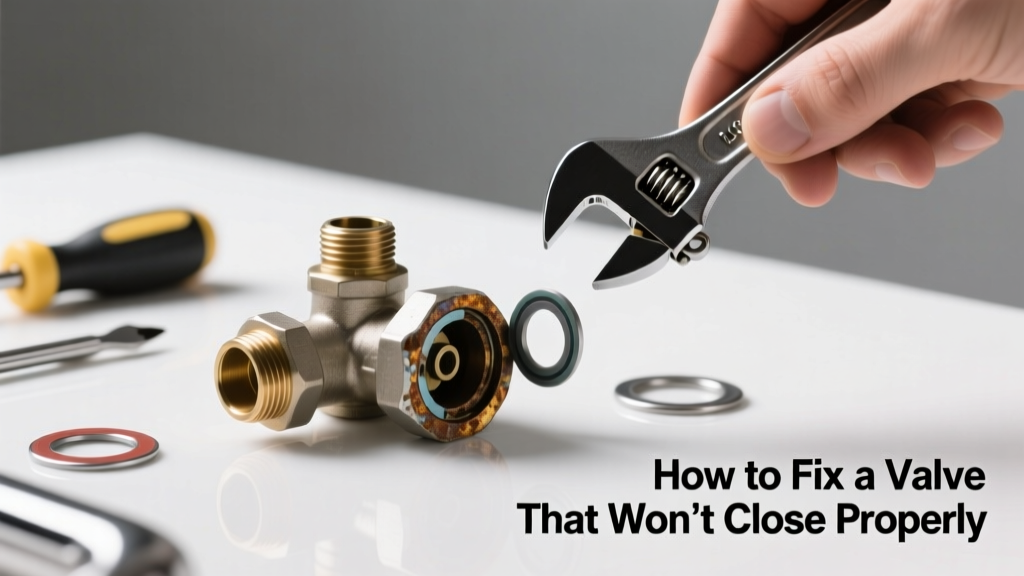
A valve that won’t fully close is more than an annoyance—it’s a potential source of water waste, pressure loss, or even flooding. Whether it’s a sink shut-off, toilet supply valve, or outdoor spigot, the issue usually stems from simple wear or debris—but ignoring it can lead to bigger problems fast.
Quick Diagnosis
Before grabbing tools, identify the likely cause. Most non-closing valves fall into one of these categories:
- Mineral buildup (especially in hard water areas)
- Worn or cracked rubber washer or O-ring
- Corroded or stripped valve stem threads
- Debris lodged between seat and disc (common after pipe work)
- Bent or misaligned handle mechanism
Tools & Materials Needed
| Item | Purpose | Estimated Cost |
|---|---|---|
| Adjustable wrench | Grips and turns stubborn nuts without rounding edges | $12–$25 |
| Phillips & flathead screwdrivers | Removes handle screws and internal components | $8–$15 |
| Replacement washer kit (brass or EPDM) | Includes common sizes for compression and gate valves | $4–$9 |
| Vinegar soak container + soft brush | Dissolves calcium/magnesium deposits safely | $0–$6 |
| Thread seal tape (PTFE) | Ensures leak-free reassembly on threaded parts | $2–$5 |
Step-by-Step Fix
Try these methods in order—start with the least invasive:
- Flush and cycle the valve: Turn water off upstream, open the valve fully, then close it 10–15 times firmly (but don’t force). This often dislodges minor debris.
- Clean the valve seat and disc: Remove the handle and packing nut. Soak the stem assembly in white vinegar for 30 minutes, then gently scrub mineral deposits with a nylon brush. Rinse thoroughly before reassembling.
- Replace the washer or cartridge: For compression valves, swap the rubber washer; for quarter-turn ball valves, replace the entire cartridge using the manufacturer’s part number. Never reuse old washers—even if they look intact.
- Repack the stem (if leaking around handle): Wrap 2–3 layers of PTFE tape clockwise around the stem threads before reinstalling the packing nut. Tighten just until resistance is firm—not crushing.
When to Call a Pro
Stop and call a licensed plumber if you encounter any of these:
- Valve body is cracked, bulging, or shows signs of electrolysis (greenish corrosion near copper pipes)
- Water pressure drops significantly elsewhere when this valve is operated
- You’re working on a main shutoff or a valve connected to PEX-aluminum composite tubing
- The valve is over 25 years old and made of galvanized steel (risk of sudden failure during disassembly)
According to the Insurance Institute for Business & Home Safety's 2023 report, 68% of water damage claims involving failed shut-offs involved DIY attempts on aged or non-standard valves.
"If you hear grinding or feel gritty resistance when turning the handle, stop immediately—forcing it can shear the stem or crack the body." — Master Plumber Elena Ruiz, Plumbing Trade Journal, 2022
Prevention Tips
Extend valve life and avoid repeat issues with these habits:
- Exercise all shut-off valves quarterly: open and close fully once to prevent seizing
- Install inline sediment filters on irrigation and washing machine lines
- Use only brass or stainless-steel replacement parts—not plastic or zinc-coated hardware
- In hard water areas, flush valves annually with diluted vinegar (1:1 with water) via a syringe or small funnel
Can I use bleach to clean a stuck valve?
No. Bleach corrodes brass, degrades rubber seals, and reacts dangerously with mineral deposits to form chlorine gas. Stick to white vinegar or citric acid solutions—they dissolve scale without damaging components.
Why does my valve close but still drip?
A drip after closing usually means the seat is pitted or the washer isn’t seating evenly—often due to debris or uneven torque during reassembly. Try reseating the washer with light finger-tightening first, then final snug with a wrench.
Is it safe to replace a valve while water is on?
Never. Even partial pressure can cause sudden spray, stripped threads, or injury. Always shut off the nearest upstream valve—and verify flow stops completely at the fixture before disassembly. Test by opening a downstream faucet.
What’s the difference between a gate valve and a ball valve for shut-offs?
Gate valves use a rising stem and wedge to block flow but wear out faster and seize more easily. Ball valves use a quarter-turn lever and stainless-steel ball—more reliable for frequent use. For new installs, choose a full-port brass ball valve like those found in our best shut-off valves guide.
How tight should I turn the packing nut?
Tighten just enough to stop stem leakage—usually 1/8 to 1/4 turn past hand-tight. Over-tightening compresses the packing too much, causing friction, premature wear, or stem breakage. If leakage persists, replace the packing (graphite string or OEM kit), not the nut.
Can I use Teflon tape on compression fittings?
No. Compression fittings rely on metal-to-metal contact between the ferrule, tube, and fitting body. Teflon tape interferes with the seal and may cause leaks or joint failure. Only use tape on NPT-threaded connections—like those on supply line tails or angle stops. See our compression fitting leaks repair guide for details.
A properly functioning valve gives you control—and peace of mind—when you need it most. Fixing a stuck valve isn’t rocket science, but skipping diagnostics or rushing reassembly leads to repeat failures. Take your time, match parts correctly, and treat every shut-off like the emergency tool it is.