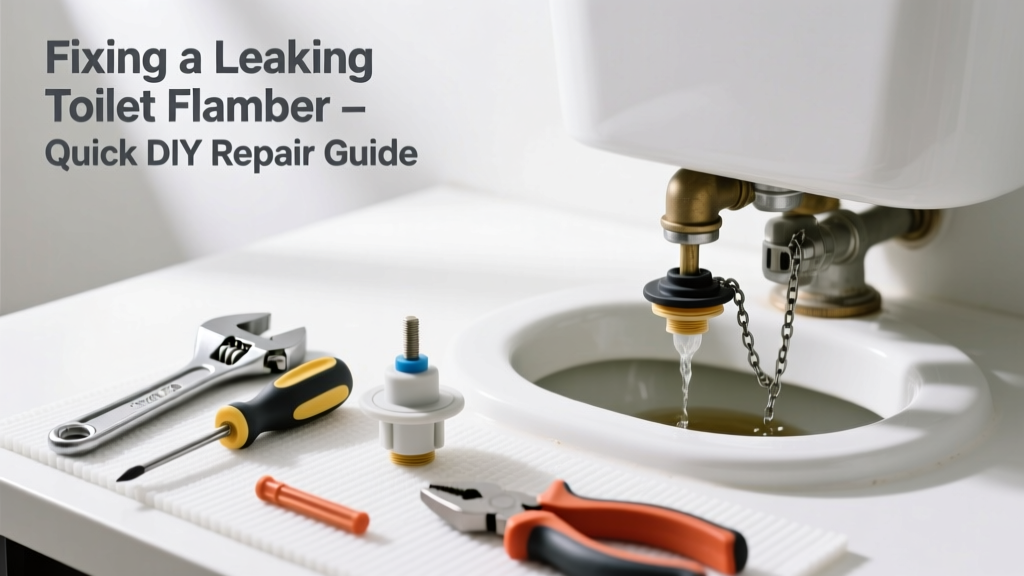
A constantly running toilet isn’t just annoying—it wastes up to 200 gallons of water per day, according to the U.S. EPA’s 2023 WaterSense report. If you hear hissing, see ripples in the bowl when the toilet’s idle, or notice the tank refilling every few minutes, your flapper is likely the culprit. The good news? This is one of the fastest, cheapest repairs you can do yourself—usually under 15 minutes.
Quick Diagnosis
Before swapping parts, rule out these common causes:
- The flapper chain is too tight (holds flapper open) or too loose (doesn’t lift it fully)
- Mineral buildup on the flush valve seat prevents a watertight seal
- The flapper itself is warped, cracked, or degraded from chlorine or old age (most last 3–5 years)
- Water level in the tank is set too high, causing overflow into the overflow tube
- Flush valve seat is pitted or corroded—especially in homes with hard water
Tools & Materials Needed
| Item | Purpose | Estimated Cost |
|---|---|---|
| Replacement flapper (universal or model-specific) | Replaces worn or misshapen seal; universal kits fit ~90% of toilets | $4.99–$12.99 |
| Adjustable wrench or pliers | Tightens or loosens tank bolts if needed; helps remove old flapper hinge | $8.00–$25.00 |
| Vinegar and soft cloth | Cleans mineral deposits from flush valve seat without scratching | $3.00–$6.00 |
| Small mirror and flashlight | Helps inspect seal alignment and chain tension inside tank | $5.00–$15.00 |
Step-by-Step Fix
Follow these methods in order—start simple, escalate only if needed:
- Adjust the chain: Turn off water at the shutoff valve, flush to drain tank, then shorten or lengthen the chain so there’s just 1/4" of slack when the flapper rests closed.
- Clean the flush valve seat: Wipe the rubber seating surface with vinegar-dampened cloth. Avoid abrasive pads—scratches ruin the seal.
- Replace the flapper: Unhook the old flapper from ears or posts, match size and style (e.g., 2" vs. 3"), and attach the new one securely. Test by filling tank and watching for leaks.
- Check water level: Adjust the float so water stops 1" below the top of the overflow tube—too high causes constant siphoning.
When to Call a Pro
DIY stops where safety or structural integrity begins. Call a licensed plumber if:
- You detect cracks in the porcelain tank or bowl—pressure changes during flushing can worsen them
- The flush valve itself is corroded or broken (not just the seat), requiring soldering or replacement
- Multiple toilets leak simultaneously—suggests main supply line or pressure regulator issues
- You’ve replaced the flapper twice in six months, indicating underlying water chemistry problems (e.g., high chlorine or acidic well water)
Prevention Tips
Extend flapper life and avoid repeat failures with these habits:
- Use chlorine-free toilet tablets—or skip them entirely. Bleach-based cleaners degrade rubber flappers up to 40% faster, per the American Society of Plumbing Engineers’ 2022 Maintenance Guidelines.
- Drain and clean the tank annually to prevent sediment buildup on the valve seat.
- Mark your flapper’s installation date on the tank lid with a permanent marker—replace every 4 years, even if it seems fine.
- Install a water softener if your home has >7 grains per gallon hardness—hard water accelerates flapper wear.
"Over 65% of all toilet-related water waste stems from faulty flappers—not broken fill valves or cracked tanks," says plumbing engineer Maria Chen in the Journal of Residential Water Efficiency, 2023.
Can I use bleach to clean the flapper?
No—bleach breaks down rubber compounds and causes premature cracking. Use white vinegar instead, which dissolves mineral scale without damaging elastomers. For stubborn biofilm, try a diluted hydrogen peroxide solution (3%) and rinse thoroughly.
Why does my new flapper still leak after installation?
Most often, it’s improper alignment or chain tension—not a defective part. Double-check that the flapper sits centered over the flush valve opening and that no part of the rubber lip is pinched or twisted. Also verify the tank water level isn’t overflowing into the tube.
How do I know which flapper size I need?
Measure the flush valve opening diameter: 2" is standard for older toilets (pre-1994); 3" is common in newer high-efficiency models. Look for model numbers stamped inside the tank or check manufacturer specs online—many brands like Toto and Kohler publish flapper compatibility charts.
Will a flapper leak cause my water bill to spike?
Yes—consistently. A slow leak can add $50–$100 annually to your bill, while a full trickle may cost $200+ per year. The U.S. EPA estimates that fixing household leaks saves the average family 10% on water bills.
Can I replace just the flapper seal without buying a whole kit?
Rarely—and not recommended. Most modern flappers are integrated units. Even if replacement seals exist (e.g., Fluidmaster’s Seal-Guard), they require precise sizing and often don’t adhere reliably. A full flapper swap costs less than $10 and takes under 5 minutes.
Is it safe to shut off water to the toilet for this repair?
Absolutely. The shutoff valve is designed for exactly this. Turn it clockwise until snug—don’t force it. If the valve is stiff or leaks when turned, replace it before proceeding; a stuck valve could leave you without toilet access during an emergency.
A working flapper is silent, reliable, and nearly invisible—until it fails. Once you’ve done this repair once, you’ll spot the signs early and fix it before the drip becomes a flood. Keep a spare flapper in your utility closet, and pair it with a fill valve adjustment guide for complete tank control. Most importantly: never ignore that faint hiss—it’s your toilet asking for help, not just making noise.