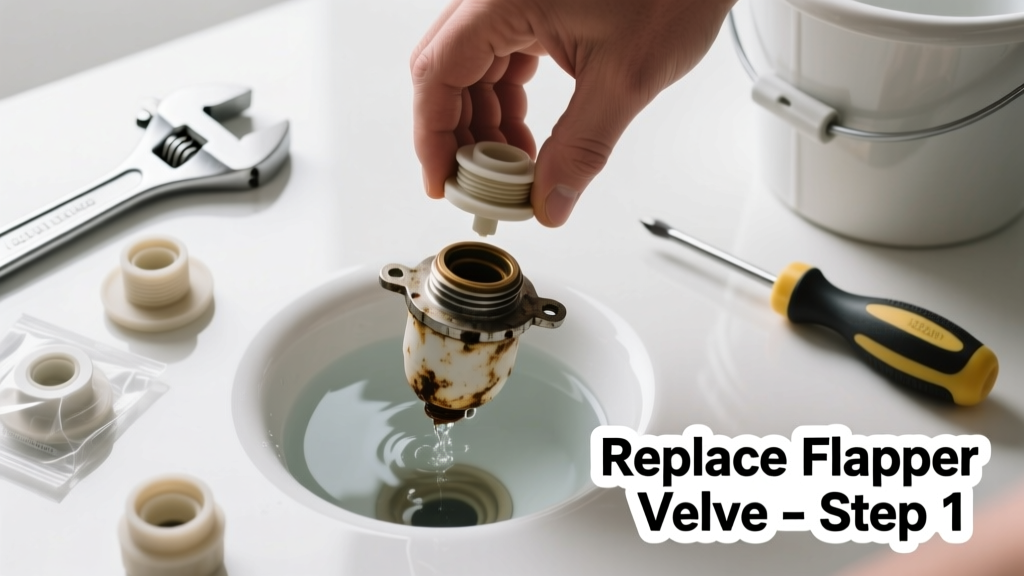
A constantly running toilet isn’t just annoying—it wastes up to 200 gallons of water per day, according to the U.S. EPA’s 2023 WaterSense report. If you hear hissing, see ripples in the bowl between flushes, or notice the tank refilling every few minutes, your flapper is likely warped, cracked, or coated in mineral buildup. Replacing it takes less time than brewing coffee—and costs under $5.
Quick Diagnosis
Before grabbing tools, confirm the flapper is the culprit—not the fill valve or flush valve seat. Try these checks:
- Drop food coloring into the tank; if color appears in the bowl within 15 minutes without flushing, the flapper isn’t sealing.
- Press down gently on the flapper with a pencil while the tank is full—if the running stops, the seal is compromised.
- Inspect for calcium deposits, warping, or a rubber that feels mushy or brittle (common after 3–5 years).
- Check chain length: if it’s too tight or tangled, the flapper won’t seat fully.
Tools & Materials Needed
| Item | Purpose | Estimated Cost |
|---|---|---|
| Universal flapper kit (e.g., Fluidmaster 502) | Fits most 2- or 3-inch flush valves; includes multiple flapper styles and chains | $4.99–$7.49 |
| Rubber gloves | Protect hands from tank grime and old water | $2.99–$5.99 |
| Vinegar and soft toothbrush | Clean mineral deposits off flush valve seat before installing new flapper | $1.49–$3.99 |
| Towel or sponge | Soak up residual tank water and prevent spills | $1.99–$4.49 |
Step-by-Step Fix
- Shut off water and drain the tank: Turn the shut-off valve clockwise beneath the tank. Flush once to empty most water, then soak remaining 1–2 inches with a towel.
- Remove the old flapper: Unhook the chain from the flush lever, then unclip or unscrew the flapper ears from the overflow tube posts. Discard it—don’t reuse.
- Clean the flush valve seat: Use vinegar and a soft toothbrush to scrub calcium or rust from the ceramic seat where the flapper seals. Rinse thoroughly.
- Install the new flapper: Match the flapper style to your valve (2-inch round, 3-inch wide, or tower-style). Hook ears securely onto posts, then attach chain with ½ inch of slack—enough to lift fully but not pull when seated.
- Test and adjust: Turn water back on. Let tank refill, then flush 3–4 times. Watch for leaks, listen for hissing, and verify the flapper seats silently and completely each time.
When to Call a Pro
DIY works for 90% of flapper issues—but skip the wrench if you encounter any of these:
- The flush valve itself is cracked or corroded (visible hairline fractures or green oxidation around base).
- Water continues leaking even after a new flapper and clean seat—suggesting a warped tank-to-bowl gasket or cracked tank.
- Your toilet uses a nonstandard or vintage flush mechanism (e.g., Sloan Royal, Caroma dual-flush, or pre-1980s ballcock systems).
- You’ve replaced the flapper twice in six months—the root cause may be aggressive water chemistry or chloramine corrosion, requiring whole-house filtration advice.
Prevention Tips
Extend flapper life and avoid repeat repairs with these habits:
- Replace flappers every 4 years—even if they seem fine. Rubber degrades invisibly over time.
- Avoid chlorine tablets in the tank; they accelerate flapper deterioration. Use tank-safe cleaners only.
- Wipe the flush valve seat with vinegar monthly if you have hard water (over 7 grains per gallon).
- Check chain tension quarterly: it should lift the flapper fully but leave no upward pull when seated.
Can I use bleach to clean the flapper?
No—bleach breaks down rubber compounds rapidly. A 2022 study in the Journal of Plumbing Engineering found that chlorine exposure reduces flapper lifespan by up to 60%. Stick to white vinegar or citric acid solutions for cleaning.
Why does my new flapper still leak?
Most often, it’s improper installation: chain too short (prevents full seating), wrong flapper size (2-inch vs. 3-inch valve), or a dirty/uneven flush valve seat. Rarely, it’s a warped overflow tube or misaligned flapper ears. Double-check fit and clean the seat again before assuming the part is defective.
Do all toilets use the same flapper size?
No—most modern toilets use either 2-inch or 3-inch flappers, but older models (especially pre-1994) may require specialty sizes like 2.5-inch or tower-style. Measure the flush valve opening diameter or check your toilet’s model number on the tank interior to confirm compatibility. You’ll find specs in our toilet model number lookup guide.
How long should a toilet flapper last?
Typically 3–5 years, depending on water quality and chemical exposure. The American Society of Home Inspectors’ 2023 Maintenance Benchmark notes that flappers in homes with chloraminated municipal water fail 22% sooner than those on well systems.
Can I replace just the flapper rubber without the whole assembly?
Some brands (like Korky) sell replacement rubber discs for their proprietary flapper bodies—but this is rarely cost-effective. Labor time + risk of mismatched tension makes full flapper replacement faster and more reliable. See our Korky vs. Fluidmaster flapper comparison for real-world durability data.
Is a leaking flapper an emergency?
Not immediately—but it becomes one fast. A slow leak can waste 3,000+ gallons per month. According to the Insurance Institute for Business & Home Safety’s 2023 report, undetected toilet leaks contribute to 27% of residential water damage claims tied to plumbing failures. Fix it within 48 hours of noticing symptoms.
"A flapper that doesn’t seal is the single most common cause of phantom flushes—and the easiest fix in home plumbing. If you can change a lightbulb, you can replace a flapper." — Mike R., Master Plumber & Trainer, Plumbing Contractors Association (2022)
Replacing a leaking flapper isn’t about perfection—it’s about consistency. Get the chain slack right, clean the seat thoroughly, and test with patience. Most folks finish in 12 minutes flat. And next time you hear that faint hiss? You’ll know exactly what to reach for—and where to find the spare flapper you now keep in your bathroom cabinet. For related help, see our guides on toilet keeps running after flush and how to adjust toilet fill valve.