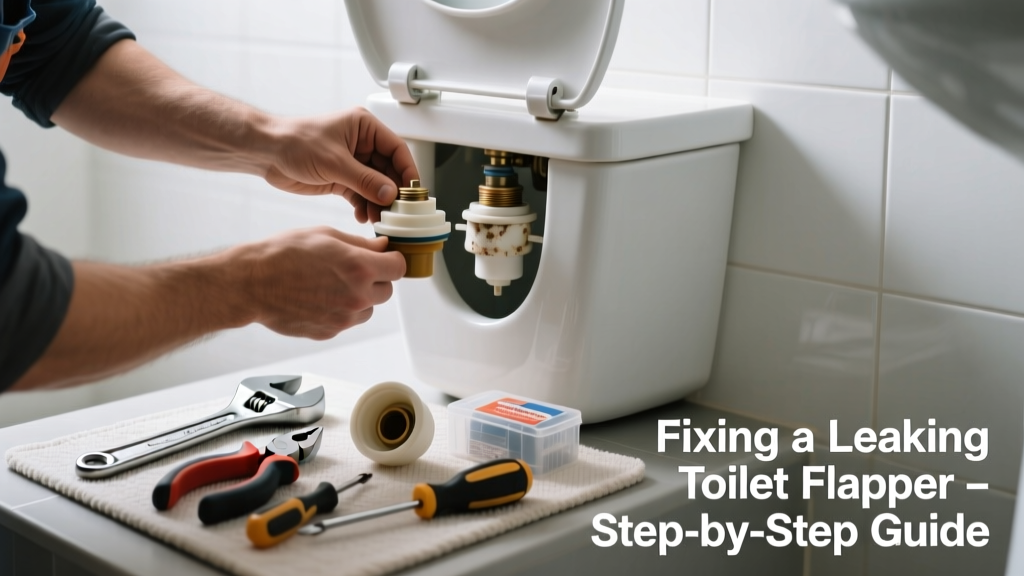
A slow, steady drip from your toilet tank into the bowl isn’t just annoying—it’s wasting up to 200 gallons of water per day. If you hear hissing, see ripples in the bowl when the toilet isn’t flushing, or notice the tank refilling every few minutes, your flapper is likely failing. This common bathroom issue is usually a quick $5 fix—but only if you know what to check first.
Quick Diagnosis
Before grabbing tools, confirm it’s the flapper—not the fill valve or flush valve seat—causing the leak. Here are the most frequent culprits:
- Mineral buildup on the flapper or flush valve seat (especially in hard water areas)
- Cracked, warped, or brittle rubber flapper (common after 3–5 years)
- Flapper chain too tight or too loose—preventing full seal or causing binding
- Incorrect flapper size or model for your toilet (e.g., using a universal flapper on a Kohler Class Five)
- Warped or corroded flush valve seat (requires sanding or replacement)
Tools & Materials Needed
| Item | Purpose | Estimated Cost |
|---|---|---|
| Replacement flapper (model-specific) | Matches your toilet’s flush valve size and design for proper seal | $4–$12 |
| Adjustable wrench | Tightens or loosens tank bolts and overflow tube fittings | $8–$22 |
| White vinegar and soft cloth | Removes calcium deposits without scratching porcelain or rubber | $3–$6 |
| Needle-nose pliers | Repositions chain links or removes stubborn old flapper ears | $5–$15 |
| Flashlight | Reveals subtle cracks, debris, or misalignment inside tank | $7–$18 |
Step-by-Step Fix
Most leaks resolve with one of these three approaches—start with the simplest:
- Inspect and clean the flapper and valve seat: Turn off water at the shutoff valve (usually behind the toilet), flush to drain the tank, then wipe the flapper and flush valve seat with vinegar-dampened cloth. Mineral deposits often prevent sealing—even a 0.5 mm ridge breaks the seal.
- Adjust the chain tension: With the tank refilled, press the flapper down by hand. The chain should have 1/4" of slack—just enough to let the flapper settle fully without lifting it. Too much slack causes delayed closing; too little prevents sealing.
- Replace the flapper: Unhook the old flapper’s ears from the overflow tube posts, detach the chain, and snap on the new one. Match the flapper type: Fluidmaster 502 has a dual-seal design for older toilets; Korky 100BP fits most Toto and American Standard models. According to the U.S. EPA, replacing a worn flapper saves the average household 500 gallons annually.
When to Call a Pro
DIY stops being safe or effective in these scenarios:
- The flush valve seat is visibly pitted, cracked, or deeply scored—even light sanding won’t restore a watertight seal
- Your toilet is a pressure-assisted or high-efficiency commercial unit (e.g., Sloan Royal or Zurn Z1200)
- You’ve replaced the flapper twice in under 12 months—indicating underlying tank or supply line corrosion
- Water is leaking from the tank-to-bowl bolts or base—not just the flapper area
"Over 70% of toilet-related water waste stems from flapper or fill valve failure—not pipe issues," says the WaterSense Program’s 2022 Residential Leak Report.
Prevention Tips
Extend flapper life and avoid repeat leaks with these habits:
- Flush only toilet paper and human waste—never wipes, cotton balls, or cleaning tablets
- Check flapper condition every 6 months during routine tank inspection
- Use vinegar rinses quarterly if your home has water hardness above 7 gpg
- Install a flapper with reinforced silicone (e.g., Korky Quiet-Fit) if your water contains chlorine or chloramine
Can I use bleach on this?
No—bleach degrades rubber flappers within weeks. Even diluted bleach tablets in the tank accelerate cracking and warping. Stick to white vinegar or mild dish soap for cleaning.
How long does a flapper last?
Typically 3–5 years, but chlorine-heavy municipal water can cut that to 18 months. In homes with well water and low chlorine, some flappers last up to 7 years—if kept free of mineral buildup.
Why does my new flapper still leak?
Most often, it’s misaligned or the wrong model. Check whether your toilet uses a 2" or 3" flush valve—measuring the diameter of the hole where the flapper sits confirms it. A mismatched flapper won’t compress evenly.
Do I need to shut off water before starting?
Yes—always. Turning off the shutoff valve (clockwise) prevents accidental overflow or flooding while working inside the tank. Keep a towel handy for residual drips from the supply line.
Can I replace just the flapper chain?
You can—but only if the flapper itself is intact and sealing properly. Most chains cost under $2, but replacing both ensures consistent performance. Use stainless steel chains for chlorine-resistant durability.
Is there a difference between toilet flappers for round vs. elongated bowls?
No—the bowl shape doesn’t affect flapper compatibility. What matters is the flush valve size, tank depth, and brand-specific design (e.g., Gerber Ultraflush requires its proprietary flapper).
A properly seated flapper restores silent, reliable flushing—and keeps your water bill honest. If the leak returns within 30 days, revisit the flush valve seat with fine-grit emery cloth or consider replacing the entire flush valve assembly. For persistent tank leaks near the bolts, check out our guide on how to fix a leaking toilet tank. And if mineral buildup keeps coming back, a whole-house water softener may be worth the investment—especially in regions like Phoenix or Dallas where hardness exceeds 12 gpg.