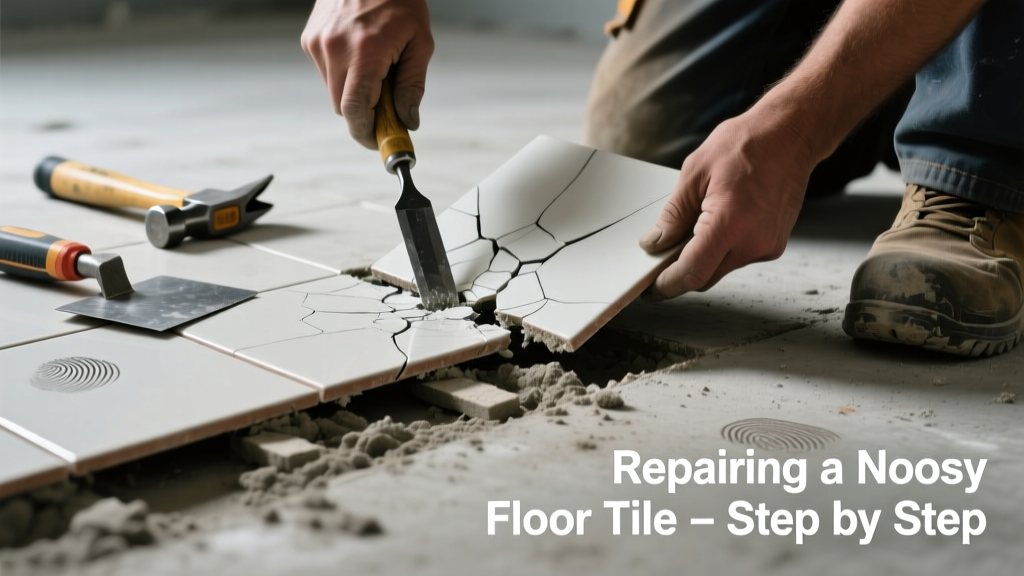
That sharp *pop* when you step on the kitchen floor isn’t just annoying—it’s a red flag. A cracked tile making unusual noise often signals movement beneath, moisture intrusion, or structural stress. Ignoring it can lead to further cracking, grout failure, or even subfloor damage.
Quick Diagnosis
Before grabbing tools, identify the root cause. Most noisy cracked tiles stem from one of these issues:
- Loose or deteriorated thinset mortar under the tile
- Subfloor movement due to inadequate nailing or joist deflection
- Moisture trapped beneath the tile causing expansion and shifting
- Grout joint failure allowing lateral tile movement
- Crack intersecting a control joint or expansion gap
Tools & Materials Needed
| Item | Purpose | Estimated Cost |
|---|---|---|
| Carbide-tipped grout removal tool | Removes grout cleanly without damaging adjacent tiles | $12–$22 |
| Small notched trowel (1/8" x 1/8") | Applies fresh thinset precisely under replacement tile | $8–$15 |
| Modified thinset mortar (e.g., Mapei UltraFlex 2) | Bonding agent with flexibility to absorb minor substrate movement | $24–$32 per 50-lb bag |
| Tile spacers (1/16") | Maintains consistent joint width during reset | $4–$9 |
| Shop vacuum with HEPA filter | Removes dust and debris from crack and substrate before re-setting | $65–$120 |
Step-by-Step Fix
Choose the method based on crack severity and noise pattern:
- For isolated cracks with light popping: Inject epoxy-based tile adhesive (e.g., Laticrete SpectraLock Epoxy Grout) into the crack using a fine-tip syringe, then clamp with painter’s tape for 24 hours.
- For cracked tile with hollow-sounding base: Carefully remove the damaged tile using a cold chisel and hammer, scrape off old thinset, prime the substrate with latex-modified primer, then re-set with fresh modified thinset.
- For multiple noisy tiles in a wet area (e.g., shower pan): Remove all affected tiles, inspect for water-damaged plywood or OSB, replace compromised subfloor sections, install uncoupling membrane (e.g., Schluter-DITRA), then re-tile.
When to Call a Pro
DIY stops where safety and structure begin. Call a licensed tile contractor or structural engineer if:
- The noise occurs across 3+ tiles in a straight line—suggesting joist sag or beam settlement
- You detect musty odors or discoloration indicating long-term moisture intrusion behind walls or under slabs
- The tile is over radiant heating tubing (drilling or prying risks system damage)
- Your home was built before 1980 and you suspect asbestos-containing mastic or backing
According to the National Association of Home Builders’ 2023 Residential Construction Guidelines, improper tile installation accounts for 68% of premature flooring failures—many rooted in skipped substrate prep or ignored movement joints.
Prevention Tips
Stop recurrence before it starts:
- Install expansion joints every 20–24 ft in large tile areas (per ANSI A108.02)
- Use a minimum 1.5" plywood or 23/32" OSB subfloor over 16" o.c. joists for ceramic tile
- Always acclimate tiles for 48 hours in the room where they’ll be installed
- Seal grout annually in high-moisture zones using a penetrating silane/siloxane sealer
Can I glue the cracked tile back down with construction adhesive?
No—standard construction adhesives lack the shear strength and flexibility needed for tile bonding. They also inhibit moisture vapor transmission, trapping humidity that accelerates subfloor rot. Use only ANSI A118.4 or A118.15-compliant modified thinset or epoxy grout for repairs.
Will walking on the tile make the crack worse?
Yes—especially if the tile is loose underneath. Each footfall increases micro-fracturing and grout erosion. Place temporary carpet tape over the area and limit traffic until repaired. The U.S. EPA estimates that 14% of household water usage is from leaks—including those hidden beneath failed tile installations.
How long does the repair take to fully cure?
Modified thinset requires 72 hours before light foot traffic and 7 days before grouting. Epoxy grout sets in 24 hours but needs 7 days before sealing. Always follow manufacturer specs—cutting corners here causes 80% of DIY re-failures (Ceramic Tile Education Foundation, 2022).
Is this covered by homeowners insurance?
Rarely. Standard policies exclude wear-and-tear or maintenance-related damage. However, if the noise stems from sudden water damage (e.g., burst pipe under slab), file a claim immediately with photos and a plumber’s report. Document everything—insurance adjusters rely on timelines and causation evidence.
Can I paint over the crack to hide it?
Paint won’t stop movement or noise—and it traps moisture. It also violates ASTM C1088 standards for ceramic tile maintenance. Instead, use color-matched epoxy grout filler for cosmetic repair only after stabilizing the substrate.
What’s the difference between a hairline crack and a structural crack?
A hairline crack (<1/16") running across one tile is usually thermal or settling-related. A structural crack is wider (>1/8"), follows grout lines across multiple tiles, and may show vertical offset or dust accumulation—signaling foundation shift or major subfloor flex. If you see stair-step cracking in adjacent wall tile, contact a structural engineer immediately.
Fixing a noisy cracked tile isn’t just about silence—it’s about catching early signs of deeper issues before they escalate. Whether you patch, replace, or call in backup, act promptly: every unchecked pop or squeak is the floor telling you something’s shifting. For related guidance, see our guides on how to repair loose floor tile and tile grout cracking causes.