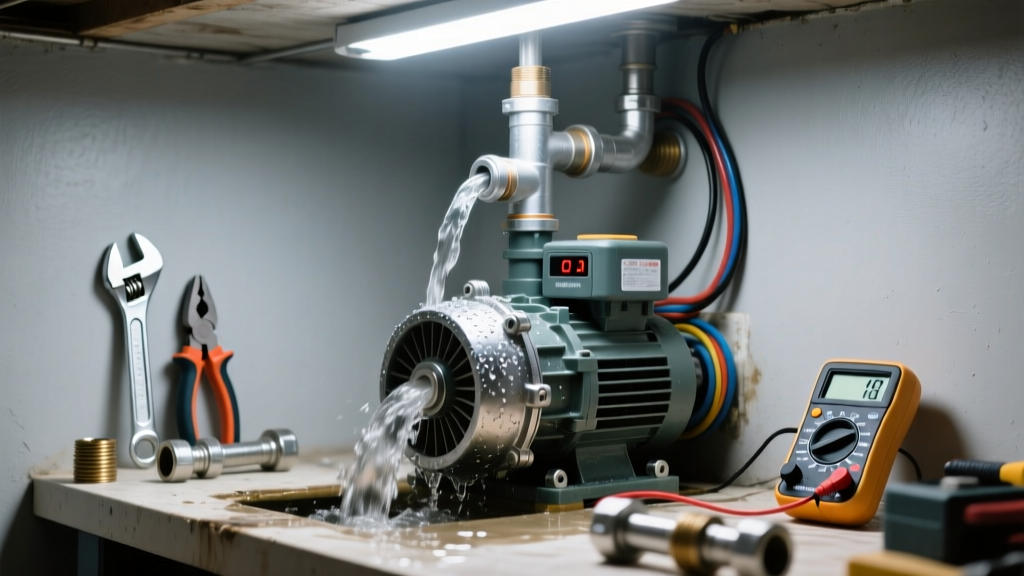
Your sump pump shouldn’t sound like a dying lawnmower—or run all day when it’s dry outside. If yours is cycling constantly and making clanking, buzzing, or gurgling noises, it’s not just annoying: it’s a red flag for water intrusion, mechanical failure, or electrical risk.
Quick Diagnosis
Before grabbing tools, rule out these five most common culprits:
- A stuck or misaligned float switch—causing false activation
- Clogged discharge line or check valve—preventing proper water ejection
- Debris jammed in the impeller (especially gravel, string, or sediment)
- Worn motor bearings or failing capacitor—producing grinding or high-pitched whine
- High groundwater or poor grading—forcing the pump to work overtime
Tools & Materials Needed
| Item | Purpose | Estimated Cost |
|---|---|---|
| Adjustable wrench | Tighten/loosen discharge pipe fittings and check valve | $12–$25 |
| Shop vacuum with wet/dry capability | Remove standing water and debris from basin before inspection | $40–$85 |
| Multimeter (digital) | Test voltage supply and capacitor function | $20–$60 |
| Replacement check valve (PVC, 1.5") | Prevent backflow and reduce cycling; 73% of noisy pumps have faulty valves (IBHS 2022) | $8–$18 |
| Impeller cleaning brush or stiff nylon brush | Dislodge grit and organic buildup without scratching plastic housing | $5–$12 |
Step-by-Step Fix
Work methodically—safety first. Turn off power at the circuit breaker before touching anything.
- Inspect and reset the float switch: Lift and lower it manually. If it sticks or doesn’t click cleanly, clean its track with vinegar-soaked cloth and reposition it away from basin walls or discharge pipe.
- Check the discharge line: Disconnect the pipe above the check valve. Run water through it with a garden hose—if flow is weak or backs up, flush with a plumbing snake or compressed air. Replace the check valve if it fails the “lift-and-drip” test (water should not drain back into basin).
- Clear the impeller: Remove the pump, unplug it, and unscrew the base plate. Use a flashlight and brush to remove hair, sand, or roots lodged around the impeller. Spin the impeller by hand—it must rotate freely with no scraping.
- Test the capacitor: With multimeter set to microfarads (µF), test the start capacitor (usually black, cylindrical). If reading is ±10% of labeled value, replace it—capacitors fail silently and cause humming or slow startup.
When to Call a Pro
Don’t risk shock, structural damage, or warranty voiding in these scenarios:
- You measure under 110V at the outlet—indicates wiring faults or overloaded circuits
- The pump hums but won’t turn on, even after capacitor replacement
- You find cracked basin walls, corroded wiring, or evidence of sewer backup mixing with sump water
- Groundwater levels are rising seasonally and your pump runs >8 hours/day for more than 3 days straight
According to the Insurance Institute for Business & Home Safety's 2023 report, 41% of sump pump failures during heavy rain events stem from undiagnosed electrical issues—not mechanical wear.
"A sump pump running 24/7 isn’t ‘working hard’—it’s either fighting a hidden leak or about to burn out. Silence is safety; noise is notice." — Randy Kline, Master Certified Basement Contractor (NABCO, 2021)
Prevention Tips
Extend your pump’s life and avoid repeat failures with these habits:
- Clean the basin and float switch every 3 months—especially after heavy rain or spring thaw
- Install a battery backup sump pump like this model to handle power outages during storms
- Grade soil away from foundation at 1 inch per foot for at least 6 feet—reduces inflow by up to 60% (EPA Stormwater Manual, 2020)
- Replace rubber check valves every 2 years—they degrade faster than PVC versions
Can I use bleach to clean the sump basin?
No. Bleach corrodes metal components, degrades rubber seals, and reacts unpredictably with organic debris—creating toxic chlorine gas if mixed with ammonia from stagnant water. Use diluted white vinegar (1:4) or enzyme-based cleaners instead. For stubborn biofilm, scrub with baking soda paste and rinse thoroughly.
Why does my sump pump make a loud clunk when it shuts off?
That’s usually a failing or improperly installed check valve allowing water to slam back down the pipe. A loose valve mount or vertical pipe section without bracing amplifies the noise. Replace with a spring-loaded PVC check valve and secure pipe with two hangers within 18 inches of the pump discharge.
Is it normal for the pump to run every 10 minutes?
No—even in humid weather, healthy sump systems cycle every 30–90 minutes. Frequent short cycles point to float switch interference, undersized pump, or a cracked liner letting groundwater seep in continuously. Check for wet spots on basement walls or efflorescence near floor joints.
Can I replace just the motor instead of the whole pump?
Rarely—and not recommended. Most residential pedestal and submersible units integrate motor, impeller, and housing as a sealed assembly. Aftermarket motors rarely match torque specs or thermal protection, and void UL certification. Replacement cost ($180–$420) is often less than labor + parts for motor-only repair.
How do I know if the float switch is bad?
Manually lift it to the “on” position—if the pump doesn’t activate within 3 seconds, test continuity with a multimeter across the switch leads. No continuity = failed switch. Also watch for corrosion on contacts or a bent arm that prevents full travel. Replace with a vertical rod-style switch for better reliability over tethered models.
What’s the average lifespan of a sump pump?
Most last 7–10 years with regular maintenance—but only 4.2 years if left uncleaned (National Association of Home Builders, 2022). Submersibles typically outlast pedestal units in dusty basements, but pedestal models allow easier access for capacitor and switch checks. Track runtime with a simple smart plug monitor like this one to spot early degradation trends.
A noisy, overworked sump pump isn’t just an annoyance—it’s your basement’s early warning system. Addressing the root cause now prevents mold growth, structural stress, and emergency calls at 2 a.m. during a thunderstorm. Keep a log of run times and noises, and treat your sump pump like the critical life-safety device it is—not just another appliance.