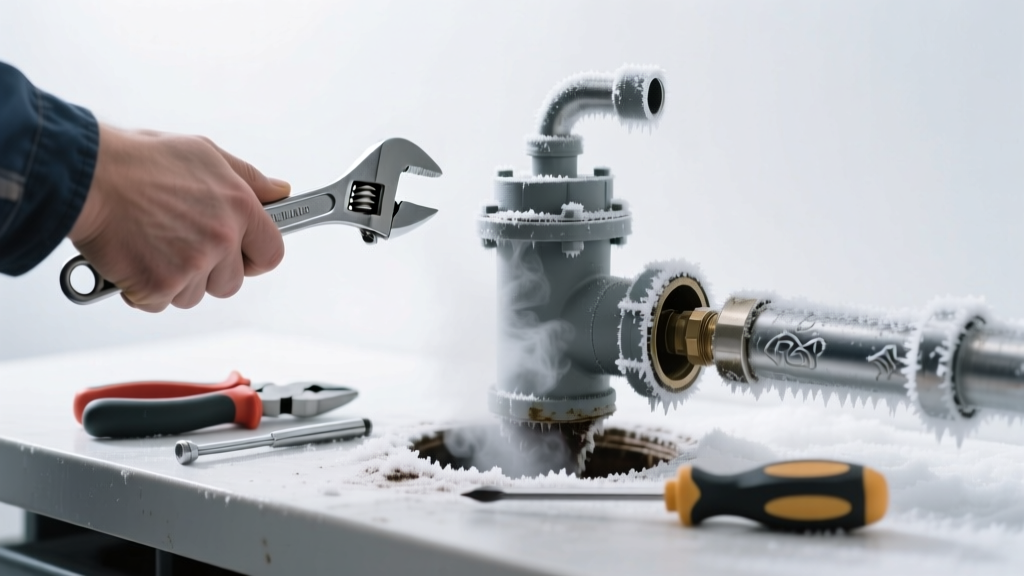
That grinding, gurgling, or thumping noise from your sump pump—especially in sub-zero weather—isn’t just annoying; it’s a red flag. A frozen discharge line traps water, forces the pump to overwork, and can crack pipes or burn out the motor in under 20 minutes of continuous cycling. Don’t wait for a flooded basement to act.
Quick Diagnosis
Before grabbing tools, confirm the issue isn’t something else. Unusual noise paired with no water exiting the discharge pipe—even when the pump runs—is the strongest sign of freezing. Check these common culprits first:
- Ice blockage within 3–10 feet of the discharge outlet (most frequent)
- Insufficient slope (less than 1/4″ per foot) causing water to pool and freeze
- Discharge pipe buried too shallow (<24″ deep in Zone 5/6 climates)
- Cracked or disconnected pipe joints allowing cold air infiltration
- Debris like leaves or sediment partially blocking flow before freezing occurs
Tools & Materials Needed
| Item | Purpose | Estimated Cost |
|---|---|---|
| Heat tape (UL-listed, self-regulating) | Wraps pipe to prevent refreezing during thawing | $25–$45 |
| Infrared thermometer | Pinpoints exact freeze location without guesswork | $30–$65 |
| Flexible pipe snake (15 ft, non-metal) | Safely clears ice without damaging PVC or corrugated pipe | $12–$22 |
| Insulated pipe sleeve (R-4.2 or higher) | Wraps exposed above-ground sections to reduce heat loss | $8–$18 |
| Shop vacuum (wet/dry) | Removes standing water from basin if pump is cycling but not ejecting | $60–$120 |
Step-by-Step Fix
Use these methods in order of least to most invasive. Start with Method 1 unless you see visible frost or hear cracking sounds—then skip to Method 3.
- Apply targeted heat: Use a hair dryer or heat gun on low setting at the suspected freeze point (usually where pipe exits foundation). Move slowly—no more than 2 inches per 15 seconds—to avoid warping PVC. Stop once water begins flowing steadily.
- Reverse-flush with warm water: Disconnect the discharge hose near the pump. Insert a garden hose into the pipe end outside and gently run lukewarm (not hot) water backward for 90 seconds. This melts ice from the outlet inward. Reconnect and test.
- Snake the line: Feed a flexible pipe snake through the outdoor discharge opening until resistance is met. Rotate gently while advancing 1–2 inches at a time. Withdraw slowly—ice chips will follow. Flush with 2 gallons of 100°F water afterward.
- Install temporary heat tape: Wrap UL-listed, self-regulating heat tape around the above-ground section (from foundation to first elbow), overlapping by 1/3 each wrap. Plug into GFCI outlet. Leave active until temps stay above 25°F for 48 hours.
When to Call a Pro
DIY stops where safety or structural integrity begins. Call a licensed plumber or drainage specialist immediately if:
- You hear hissing or smell sewer gas—indicating a cracked or dislodged pipe releasing effluent
- The discharge pipe is concrete-encased or runs under a driveway or patio slab
- Your sump pump runs continuously and the basin water level rises faster than it drops—suggesting groundwater intrusion plus freeze blockage
- You’ve attempted thawing twice in one winter season—this signals chronic design flaws requiring regrading or deeper burial
Prevention Tips
Freeze-ups recur when root causes go unaddressed. According to the Insurance Institute for Business & Home Safety's 2023 Cold Climate Drainage Report, 68% of sump pump failures in northern states stem from preventable discharge line issues—not pump defects.
"A 1-inch rise in pipe burial depth below frost line reduces freeze risk by 40%. But if your discharge pipe slopes upward anywhere—even 3 inches—it’ll freeze every time temps drop below 15°F." — Mike R., certified drainage contractor with 22 years’ field experience
- Bury the discharge line at least 6 inches below local frost depth (e.g., 48″ in Minneapolis, 36″ in Pittsburgh)
- Install a minimum 1/4″ per foot downward slope—verify with a digital level before backfilling
- Wrap all above-ground pipe with R-4.2+ closed-cell foam insulation and seal seams with foil tape
- Add a freeze-resistant discharge valve (like the Zoeller FreezeGuard) that vents air to break ice suction
- Clean the discharge screen and check for debris every October—and again after first hard frost
Can I use boiling water to thaw the pipe?
No—boiling water can warp PVC or crack ABS pipe, especially if ice has already created internal pressure. Stick to lukewarm water (under 120°F) or controlled external heat sources. The U.S. EPA estimates that 14% of household water usage is from leaks—including those caused by thermal stress on plumbing.
Will my sump pump overheat if the discharge is frozen?
Yes. Most pedestal and submersible pumps aren’t designed for dry-run or high-backpressure operation. Running against a frozen line for more than 90 seconds risks winding burnout. If the pump cycles on but you hear only humming or clicking, shut off power immediately.
How do I know if the freeze is inside the house or outside?
Check the discharge pipe where it exits the foundation wall. If frost forms there—or if the pipe feels colder than ambient air 12 inches inside—you’ve got an interior freeze. That usually means insufficient insulation around the pipe sleeve or a gap in rim joist sealing. External freezes show as bulging, whitened PVC or muffled gurgling outdoors.
Can I insulate the sump pit itself?
Not recommended. Insulating the pit traps moisture and encourages condensation, which corrodes pump components. Instead, insulate the discharge line and ensure your basement stays above 40°F in winter using space heaters or HVAC zoning—per ASHRAE Standard 160-2022 guidelines for residential humidity control.
Is it safe to use salt or calcium chloride in the discharge line?
Absolutely not. These chemicals corrode PVC, degrade rubber check valves, and contaminate groundwater. They also leave residue that attracts moisture—making future freezing worse. Use mechanical clearing or heat only.
What’s the safest way to test if the line is fully clear?
Run the pump manually using its float switch (lift it gently) and watch the discharge outlet for 60 seconds. Flow should be strong, steady, and free of sputtering. Then measure discharge volume: 15 gallons in 60 seconds = ~15 GPM—within normal range for most 1/3 HP pumps. If flow is weak, repeat Method 3 or inspect the check valve.
A frozen sump pump discharge isn’t just inconvenient—it’s a silent threat to your home’s structural integrity and indoor air quality. Address it early, fix the slope and insulation, and consider upgrading to a battery backup system like the Sump Pump Battery Backup Installation guide details. Pair that with regular checks in November and January, and you’ll likely never hear that ominous thump again. For persistent issues, consult our Basement Waterproofing Contractors directory to find vetted local pros who specialize in cold-climate drainage.