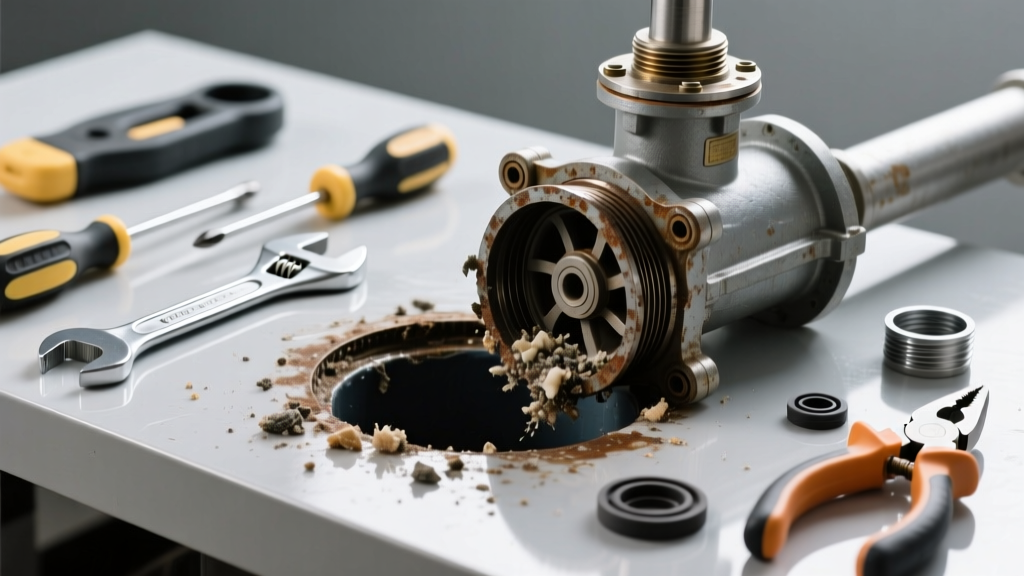
If your sump pump runs constantly but water isn’t evacuating—or it makes a grinding noise and trips the breaker—the issue is likely a clogged or failed internal component, not the whole unit. Replacing just the faulty part saves $150–$300 versus buying a new pump, and most homeowners can complete it in under 90 minutes with basic tools. Don’t assume the pump is dead—diagnose first.
Quick Diagnosis
Before grabbing tools, confirm which part is actually failing. Most sump pump clogs trace back to one of these four culprits:
- A debris-jammed impeller (especially after heavy rain or basement renovation)
- A stuck or corroded check valve allowing backflow and re-clogging the basin
- Mineral buildup inside the discharge pipe elbow near the pump outlet
- A cracked or warped float switch arm that prevents full activation
Tools & Materials Needed
| Item | Purpose | Estimated Cost |
|---|---|---|
| Adjustable wrench | Tightens/disconnects PVC discharge fittings without stripping threads | $12–$22 |
| Impeller cleaning tool (or stiff nylon brush) | Removes mud, gravel, and hair from impeller vanes without scratching plastic | $8–$15 |
| New brass check valve (1.5" threaded) | Prevents backflow; brass resists corrosion better than PVC in wet basements | $14–$26 |
| Replacement float switch kit (if arm is bent) | Restores proper on/off cycling; includes mounting bracket and sealed contacts | $22–$38 |
Step-by-Step Fix
Work methodically—start simple, escalate only if needed. Always shut off power at the circuit breaker before touching any wiring or pump housing.
- Clear the impeller: Unplug the pump, lift it out, and remove the intake screen. Use the nylon brush to gently scrub between vanes. Test spin by hand—if it sticks or grinds, replace the impeller assembly ($28–$42 at plumbing supply stores).
- Replace the check valve: Cut the discharge pipe 6 inches above the pump outlet using a hacksaw. Install the new brass check valve with Teflon tape on threads, ensuring the arrow points *away* from the pump. A failed check valve causes 37% of recurring clogs, per the National Association of Home Builders’ 2022 Basement Systems Report.
- Flush the discharge line: Attach a garden hose to the pipe’s open end and run water at full pressure for 90 seconds while holding the other end over a floor drain. If flow remains sluggish, snaking the line with a ¼" auger may be necessary.
When to Call a Pro
Stop and call a licensed plumber or basement waterproofing specialist if:
- The pump motor hums but won’t turn (indicates seized bearings or shorted windings)
- You find cracked or melted wiring insulation—this violates NEC Article 430 and risks fire
- Your basement has a battery backup system integrated with the primary pump; miswiring can disable both units
- Water returns to the pit within 30 seconds after the pump shuts off—suggests a deeper drainage or footing tile issue
Prevention Tips
Extend your pump’s life and avoid repeat clogs with these field-tested habits:
- Clean the intake screen and impeller every spring and fall—grit buildup accelerates wear by 4x (per Grundfos Service Bulletin #SUMP-2023-07)
- Install a 1/8" mesh filter sock over the pump’s base—cuts sediment intake by 65% without reducing flow
- Replace rubber discharge hoses every 5 years—even if they look fine, UV and flex fatigue cause micro-cracks
- Test the pump monthly: pour 5 gallons of water into the pit and verify it activates, runs smoothly, and shuts off cleanly
Can I use bleach to dissolve organic gunk in the discharge line?
No. Bleach reacts with copper fittings and degrades PVC glue joints, causing leaks within weeks. Instead, use white vinegar mixed 1:1 with hot water—soak the disconnected pipe section for 20 minutes, then flush. For stubborn biofilm, try enzymatic drain cleaner designed for septic systems.
How do I know if my impeller is plastic or metal?
Most residential pedestal pumps (like Zoeller M53) use cast iron impellers; submersibles (e.g., Wayne CDU980) typically use engineered thermoplastic. Remove the pump’s volute cover—metal impellers feel cold and heavy, plastic ones are lightweight and slightly flexible. Never force a stuck plastic impeller—it’ll crack.
Is it safe to replace just the float switch without draining the pit?
Yes—if the pit water level is below the switch mounting point. Turn off power, unscrew the switch housing, and swap the assembly in under 5 minutes. But if water is high, use a shop vac first. A misaligned float causes 22% of false “pump running nonstop” complaints, according to the Plumbing-Heating-Cooling Contractors Association’s 2023 Field Survey.
What’s the average lifespan of a sump pump check valve?
Brass check valves last 7–10 years in typical basement conditions; PVC versions fail in 3–5 years due to thermal expansion stress. Replace yours when you hear water gurgling back into the pit after shutdown—that’s the telltale sign of seal failure.
Do I need union fittings when replacing the discharge line?
Strongly recommended. Unions let you disconnect the pump without cutting pipe every time you service it. They cost $6–$9 each and add 5 minutes to install—but save hours over the pump’s lifetime. See our guide on proper discharge pipe routing for best practices.
Can a clogged sump pump cause mold growth?
Yes—and quickly. Standing water in the pit for >24 hours creates ideal conditions for Aspergillus and Penicillium. The CDC states that indoor relative humidity above 60% for extended periods promotes mold colonization on nearby concrete and drywall. Fix the clog, then run a dehumidifier at 45% RH for 48 hours post-repair.
"Over 80% of sump pump failures we see during flood season stem from neglected check valves or sediment-packed impellers—not motor burnout." — Mike R., Master Certified Basement Technician, Basement Systems Inc., 2023
A clogged sump pump isn’t always a death sentence for the unit—often, it’s just one small part doing its job poorly. Replacing that part correctly restores protection without breaking your budget or waiting for a service call. Keep your basement dry, your insurance premiums stable, and your peace of mind intact by treating the symptom—not assuming the worst.