Your sump pump hums but doesn’t move water—or worse, it’s silent while water pools in the pit. A clog is the most common culprit, and catching it early prevents costly water damage. Most clogs happen in the discharge line, impeller, or intake screen—and many are fixable in under an hour with basic tools.
Quick Diagnosis
Before grabbing tools, confirm it’s truly a clog—not a power issue or failed float switch. Check these first:
- The pump is plugged in and the GFCI outlet hasn’t tripped
- The float switch moves freely and isn’t stuck against the pit wall
- Water level in the pit rises high enough to trigger the pump (test by pouring 5 gallons of water in)
- No visible debris blocking the intake grate at the base of the pump
- Discharge pipe outside shows no water flow during operation
Tools & Materials Needed
| Item | Purpose | Estimated Cost |
|---|---|---|
| Wet/dry vacuum (shop vac) | Clears standing water from pit and sucks out sludge from discharge line | $60–$120 |
| Plumber’s snake (1/4" x 25 ft) | Breaks up roots, sediment, or mineral buildup in PVC discharge pipe | $15–$30 |
| Needle-nose pliers & old toothbrush | Remove hair, string, or gunk from impeller housing and intake screen | $8–$12 |
| Vinegar + baking soda solution | Natural descaler for calcium deposits in discharge line joints | $5–$7 |
| Replacement check valve (PVC 1.5") | Prevents backflow and reduces clog risk; fails every 5–7 years per U.S. Department of Housing and Urban Development’s 2022 maintenance guidelines | $12–$22 |
Step-by-Step Fix
Work methodically—start simple, escalate only if needed. Always shut off power at the breaker before touching the pump.
- Drain and inspect the pit: Use a wet/dry vac to remove water, then wipe down the pit walls. Look for gravel, mud, or shredded plastic near the intake screen.
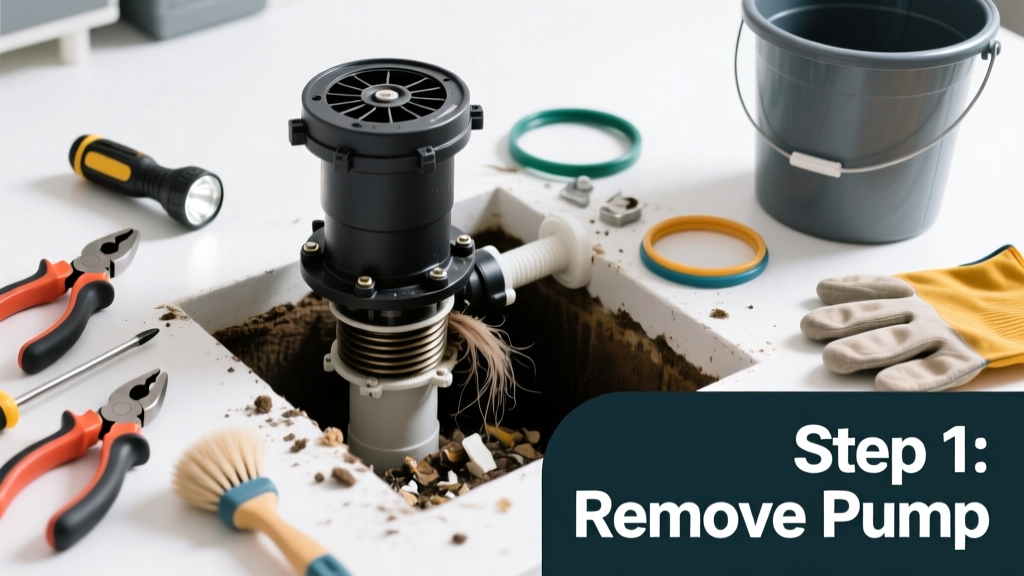
- Clean the intake screen and impeller: Unplug the pump, lift it out, and scrub the stainless steel screen with vinegar-soaked toothbrush. Use needle-nose pliers to gently dislodge hair or string wrapped around the impeller blades.
- Flush the discharge line: Detach the pipe from the pump outlet. Blow compressed air (or use shop vac on blow mode) from the outdoor end toward the pump. If resistance remains, feed a plumber’s snake through the pipe—stop at 10-ft intervals to rotate and break up blockages.
- Test with vinegar soak: For mineral buildup near the check valve, pour 1 cup white vinegar into the discharge pipe and let sit 20 minutes. Flush with hot water, then reassemble.
When to Call a Pro
Don’t risk electrocution or structural damage. Call a licensed plumber or waterproofing contractor if:
- You smell burning plastic or see melted wiring on the pump motor
- The discharge pipe runs under your foundation slab (snaking could crack buried PVC)
- Water returns to the pit within 90 seconds after pumping—indicating a failed check valve or underground line break
- You’ve cleared three clogs in one season (sign of chronic silt inflow or undersized system)
"Over 68% of sump pump failures stem from preventable clogs—not motor burnout," says the Insurance Institute for Business & Home Safety's 2023 Residential Drainage Report.
Prevention Tips
A little maintenance goes a long way. Add these to your seasonal checklist:
- Clean the intake screen and check valve every 3 months—especially after heavy rain or spring thaw
- Install a sump pump lid with fine-mesh screen to keep leaves and insects out
- Replace the discharge line’s PVC glue joints every 8 years—old adhesive degrades and traps sediment
- Consider upgrading to a vortex impeller pump if your basement gets frequent silt-laden runoff
Can I use bleach to unclog my sump pump discharge line?
No. Bleach corrodes rubber check valves and degrades PVC over time. It also reacts dangerously with organic debris to produce chlorine gas. Stick with vinegar, baking soda, or enzymatic drain cleaners labeled safe for sump systems.
Why does my sump pump keep clogging even after cleaning?
Recurring clogs usually point to external issues: a cracked or unsealed discharge pipe letting in soil, a missing or damaged inlet screen on the pit, or excessive laundry graywater entering the system via floor drain. Inspect the entire path from pit to daylight exit.
Is it safe to run the pump without water in the pit?
No. Running dry—even for 30 seconds—can warp the impeller and overheat the motor seal. Always test with at least 2 inches of water in the pit. If the pump activates too frequently, adjust the float arm height or install a pump with a longer on/off cycle.
How often should I replace my sump pump?
Most submersible pumps last 7–10 years with regular maintenance. But if you’re clearing clogs more than twice yearly, or notice reduced flow volume (measure gallons per minute with a bucket), start budgeting for replacement. The average cost to replace a sump pump in 2024 is $650–$1,200, including labor and backup battery.
What’s the best way to test if the clog is fully cleared?
Fill the pit with 5 gallons of water and time the pump cycle. It should activate within 30 seconds, eject all water in under 90 seconds, and shut off cleanly. Then wait 5 minutes and repeat—no hesitation, no gurgling, no water returning to the pit means the line is clear and the check valve seals properly.
Can frozen discharge lines cause clogs?
Absolutely. Ice buildup in above-ground sections of the discharge pipe mimics a physical clog—blocking flow and causing overflow. Wrap exposed pipes with self-regulating heat tape rated for outdoor use, and slope the line away from the house at 1/4" per foot to prevent pooling.
A clogged sump pump isn’t just an inconvenience—it’s a flood waiting to happen. Most blockages respond quickly to the methods above, especially when caught before water rises past the basement floor. Keep your tools handy, log each cleaning date, and remember: a working sump pump adds measurable value when selling your home—buyers increasingly demand verified waterproofing systems, as noted in the National Association of Realtors’ 2024 Home Features Report.