That rotten-egg stench wafting from your bathroom or kitchen isn’t just unpleasant—it’s a red flag for plumbing issues that can expose you to hydrogen sulfide and methane. Left unaddressed, sewer gas leaks can trigger headaches, nausea, and even pose explosion risks in extreme cases. Most causes are simple to diagnose and fix—often in under an hour.
Quick Diagnosis
Start by narrowing down where the odor originates and when it appears (e.g., after flushing, during dry spells, or only in one room). Common culprits include:
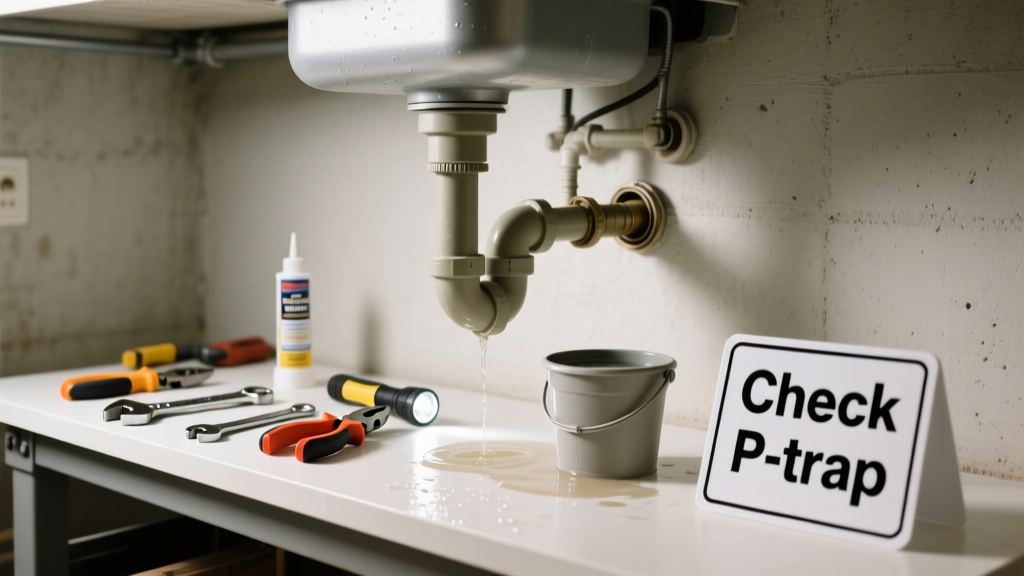
- Dry P-trap in floor drain, sink, or shower
- Clogged or damaged vent pipe on roof
- Cracked or loose wax ring under toilet
- Broken or improperly sealed cleanout plug
- Failed air admittance valve (AAV) under sink
Tools & Materials Needed
| Item | Purpose | Estimated Cost |
|---|---|---|
| Plumber’s putty | Seals threaded cleanout plugs and minor pipe joints | $3–$6 |
| Wax ring kit (with flange bolts) | Replaces failed toilet seal; includes hardware and gasket | $12–$20 |
| Roof ladder & safety harness | Safely access vent stacks without falling or damaging shingles | $85–$220 (rental or purchase) |
| Drain snake (25-ft hand-crank) | Cleans blockages in vent pipes or trap arms | $25–$45 |
| Water hose with spray nozzle | Flushes debris from vent openings and checks for flow | $10–$18 |
Step-by-Step Fix
Try these methods in order of likelihood and simplicity:
- Refill dry P-traps: Pour ½ cup of water into every infrequently used floor drain, sink, shower, and laundry tub. Run water for 30 seconds in each fixture weekly to maintain the water seal.
- Test and clear the vent stack: Climb onto the roof (with proper fall protection), locate the main vent pipe near bathroom vents, and insert a drain snake 3–4 ft down. Flush with a garden hose while listening for gurgling—clear flow means the vent is open.
- Replace the toilet wax ring: Turn off water, flush to empty tank, disconnect supply line, unbolt toilet, lift gently, scrape old wax, install new ring, and reseat firmly. Tighten bolts evenly to avoid cracking the porcelain.
- Check AAVs and cleanouts: Locate air admittance valves (small gray plastic caps under sinks); unscrew and inspect rubber diaphragm for cracks. Replace if stiff or torn. Also verify cleanout plugs in basement walls are fully tightened and sealed with plumber’s putty.
When to Call a Pro
DIY stops where safety or code compliance begins. Call a licensed plumber immediately if:
- You detect sewer gas near a gas appliance—hydrogen sulfide can ignite or mask natural gas leaks
- The smell persists after all DIY steps, especially if multiple fixtures are affected simultaneously
- You suspect a cracked cast-iron soil stack (common in homes built before 1970)—this requires camera inspection and section replacement
- You’re uncomfortable working on the roof or lack fall protection equipment
"Over 60% of sewer gas complaints in residential buildings stem from dry traps or failed wax rings—not major pipe failure," says the Plumbing-Heating-Cooling Contractors Association's 2022 Field Survey Report.
Prevention Tips
Stop sewer gas before it starts with these habits:
- Run water in guest bathroom sinks and showers for 15 seconds every 7–10 days
- Install trap primers on floor drains in basements or utility rooms (cost: $85–$140 installed)
- Inspect roof vent caps annually for bird nests, ice dams, or debris buildup
- Use non-toxic enzyme drain cleaners monthly instead of caustic chemicals that degrade rubber seals
Can I use bleach to eliminate sewer gas smell?
No. Bleach doesn’t neutralize hydrogen sulfide gas—it may react with organic matter to produce more noxious fumes and corrode PVC piping over time. It also won’t fix the root cause: a missing water seal or leak. Skip the bleach and focus on restoring the trap seal or sealing the leak instead.
Why does the smell come and go?
Intermittent odors usually point to partial blockages or pressure fluctuations. When a nearby fixture drains, it can siphon water from a weakly sealed or undersized P-trap. Wind gusts across roof vents also create negative pressure that pulls gas backward through dry or faulty traps—especially in high-rise condos or tightly sealed modern homes.
Is sewer gas dangerous to breathe?
Yes—at high concentrations, hydrogen sulfide causes dizziness, eye irritation, and respiratory distress. The U.S. EPA notes chronic low-level exposure may contribute to fatigue and memory issues. Even at low levels, it’s a sign of compromised sanitation—never ignore it. Ventilate the area and investigate immediately.
Will a carbon monoxide detector pick up sewer gas?
No. Standard CO detectors don’t sense hydrogen sulfide or methane. You need a dedicated H₂S monitor ($120–$300) or hire a plumber with a combustible gas analyzer. Don’t rely on smell alone—hydrogen sulfide deadens your sense of smell after ~15 minutes of exposure.
How long does it take for a dry P-trap to refill on its own?
It won’t. P-traps don’t self-refill—they require manual water addition or regular fixture use. Evaporation happens faster in low-humidity environments or near heat sources like furnaces or HVAC returns. In arid climates, a floor drain trap can dry out in as little as 5–7 days.
Do plumbing vent pipes need cleaning every year?
Not necessarily—but annual visual inspection is wise. Homes with overhanging trees, heavy snowfall, or frequent wind-blown debris benefit from biannual vent checks. According to the International Residential Code (IRC R3002.2, 2021 edition), vent terminations must remain unobstructed at all times—a clogged vent violates code and voids most home insurance policies related to sewer backups.
A persistent sewer gas smell is rarely a mystery—and almost never a disaster waiting to happen. Most fixes cost less than $30 and take under an hour. If you’ve ruled out dry traps and confirmed your wax ring is intact, check out our toilet wax ring replacement guide or roof vent pipe repair steps. And remember: when in doubt about pipe integrity or gas detection, a pro’s diagnostic fee is cheaper than replacing drywall soaked in sewage backup.