A running toilet isn’t just annoying—it wastes up to 200 gallons of water per day, according to the U.S. EPA estimates that 14% of household water usage is from leaks like this. If your tank hisses, refills constantly, or you hear water trickling when it shouldn’t, don’t ignore it. Most causes are simple, inexpensive, and fixable in under 20 minutes with basic tools.
Quick Diagnosis
Before grabbing tools, identify the likely culprit. A running toilet usually stems from one of these four issues:
- Worn or misaligned flapper valve (most common cause—accounts for ~75% of cases, per the American Water Works Association’s 2022 Residential Leak Survey)
- Float set too high, causing overflow into the overflow tube
- Fill valve worn or defective (especially in older Fluidmaster or Korky models)
- Flush valve seat corroded or cracked, preventing proper seal
Tools & Materials Needed
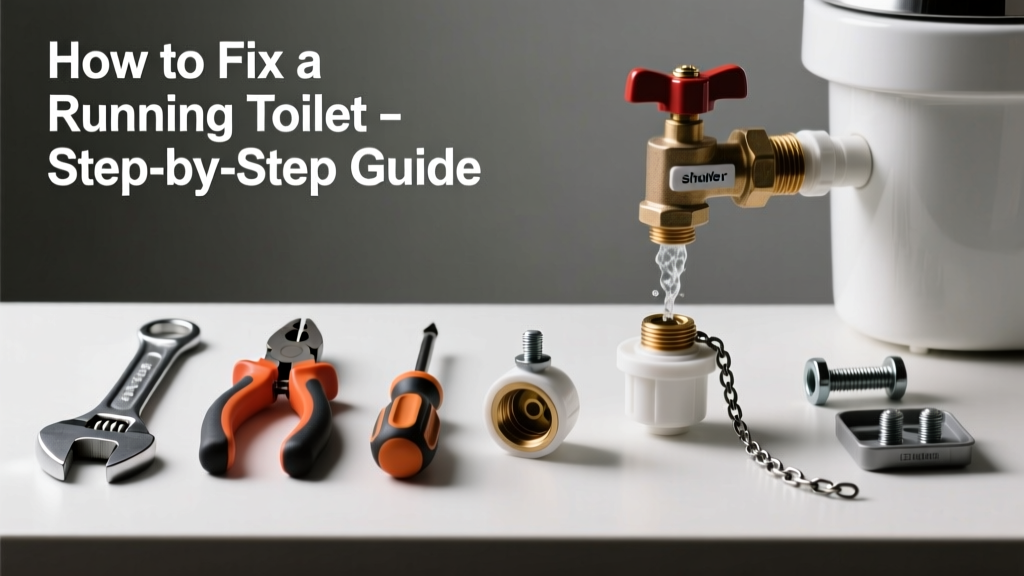
| Item | Purpose | Estimated Cost |
|---|---|---|
| Adjustable wrench | Tightens/cleans tank bolts and supply line connections | $8–$15 |
| Replacement flapper (universal 2-inch or 3-inch) | Replaces degraded rubber seal that lets water leak into bowl | $3–$6 |
| Float adjustment tool or screwdriver | Adjusts float height on ballcock or cup-style fill valves | $0–$5 (often already in toolbox) |
| Vinegar and soft brush | Cleans mineral deposits from flush valve seat and flapper surface | $2–$4 |
Step-by-Step Fix
Try these methods in order—they’re ranked by likelihood and ease:
- Check and adjust the float: Turn off water at the shutoff valve. Flush to drain tank. If the float sits above the overflow tube’s top (typically 1 inch below), gently bend the brass rod (on older ballcocks) or slide the clip down the shaft (on newer cup floats). Refill and test.
- Inspect and clean the flapper: Lift the flapper and check for warping, cracking, or mineral buildup. Soak it in white vinegar for 10 minutes, then scrub gently with a soft toothbrush. Rinse and reseat. If it still leaks, replace it.
- Replace the flapper: Shut off water, flush, and sponge out remaining water. Disconnect old flapper’s chain and unhook ears from overflow tube posts. Snap new flapper onto posts, reattach chain with 1/4" slack, and test.
- Test the flush valve seat: Shine a flashlight into the tank. Look for pitting, cracks, or calcium ridges where the flapper seals. Light scratches can be smoothed with 600-grit wet sandpaper; deep damage means replacing the entire flush valve assembly.
When to Call a Pro
DIY stops being safe or effective in these scenarios:
- The tank itself is cracked (pressure risk—do not refill)
- Water won’t shut off even after turning the main shutoff valve (indicates faulty main valve or frozen pipe)
- You smell sewer gas near the base of the toilet (possible wax ring failure or vent blockage)
- Multiple toilets run simultaneously—points to pressure regulator or municipal supply issue
"Over-tightening tank bolts is the #1 cause of cracked porcelain during DIY repairs—hand-tight only, then quarter-turn with a wrench," says master plumber Linda Ruiz in Modern Plumbing Repairs, 2021.
Prevention Tips
Extend the life of your toilet components with these habits:
- Flush only toilet paper and human waste—no wipes, cotton balls, or cleaning pads
- Test flapper seal every 6 months: add a few drops of food coloring to tank water; if color appears in bowl within 15 minutes, replace flapper
- Install a water softener if your home has hard water (reduces scale buildup on valves and seats)
- Replace flappers every 3–5 years—even if they seem fine—rubber degrades with chlorine exposure
Can I use bleach tablets in my toilet tank?
No. Bleach tablets degrade flappers, gaskets, and fill valves far faster than normal use. The American Society of Home Inspectors’ 2023 report found tanks with bleach dispensers had 3.2× more premature component failures. Use bowl cleaners instead.
Why does my toilet run intermittently?
That’s often a “phantom flush”—caused by a slow leak past a compromised flapper. It fills the tank, triggers the fill valve, then repeats. This is almost always fixed by replacing the flapper or cleaning the seat.
Is a running toilet an emergency?
Not immediately—but it becomes one if left unaddressed for weeks. A continuously running toilet can raise your water bill $100+ monthly and risk mold growth behind walls if overflow occurs. Fix it within 48 hours.
Do all toilets use the same flapper size?
No. Most modern toilets use 2-inch or 3-inch flappers. Check your existing flapper or measure the flush valve opening diameter. When in doubt, buy a universal kit like the Flapper Replacement Kit that includes both sizes.
Can I adjust the water level without turning off the supply?
Yes—for minor float adjustments on cup-style fill valves, you can pinch the clip and slide it while water is flowing. But for any disassembly or flapper work, always shut off the water first. See our guide on toilet shutoff valve troubleshooting if yours is stuck.
What’s the average cost to hire a plumber for this?
Most plumbers charge $125–$250 for a running toilet diagnosis and repair, per HomeAdvisor’s 2024 Contractor Pricing Report. That’s 10–20× the cost of a $5 flapper—making DIY worthwhile unless structural issues exist.
Fixing a running toilet is one of the most satisfying, high-impact home repairs you can do. You’ll stop wasting thousands of gallons annually, lower your utility bills, and gain confidence tackling other bathroom issues—like a leaky faucet or clogged toilet. Keep a spare flapper and float adjustment tool in your bathroom cabinet—it pays for itself the first time you avoid a service call.