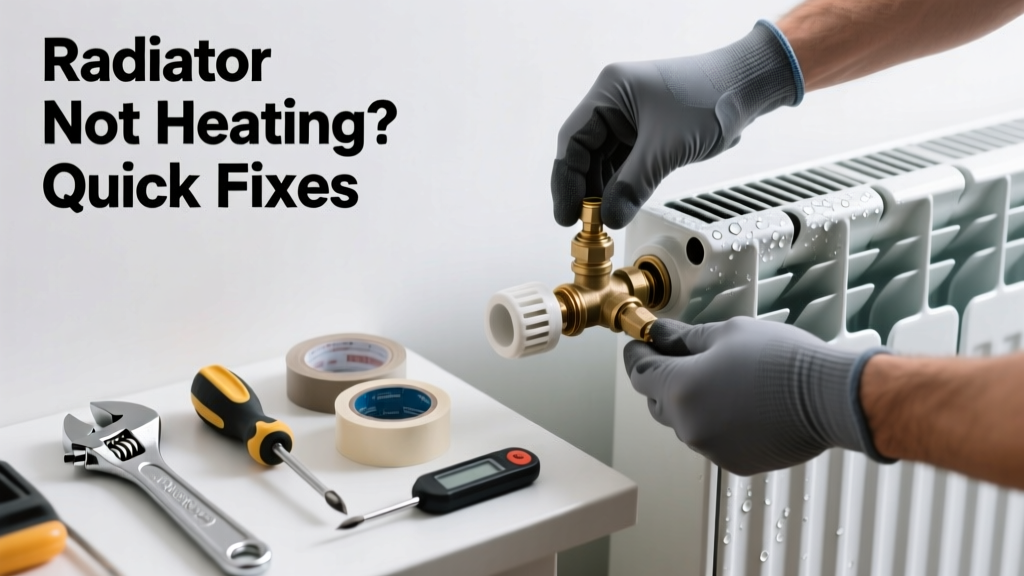
Waking up to a cold radiator on a frosty morning is more than just uncomfortable — it’s a sign something’s off in your heating system. Whether it’s one cold unit or several, the cause is often simple and fixable in under 30 minutes. Don’t assume your boiler’s failing; start with these targeted checks first.
Quick Diagnosis
Before grabbing tools, rule out obvious culprits. A radiator that’s cold at the top but warm at the bottom almost always has trapped air. If it’s stone-cold all over, the issue is likely flow-related or control-based. Here are the five most common causes:
- Air locked inside the radiator (most frequent)
- Thermostatic radiator valve (TRV) stuck closed or set too low
- Lockshield valve fully shut or misadjusted
- Boiler pressure below 1–1.5 bar (for sealed systems)
- Sludge buildup blocking internal flow (common in older systems)
Tools & Materials Needed
| Item | Purpose | Estimated Cost |
|---|---|---|
| Radiator key (or flathead screwdriver for older models) | Opens the bleed valve to release trapped air | $3–$8 |
| Small container or rag | Catches water during bleeding | $0–$2 |
| Adjustable wrench | Tightens or adjusts lockshield and TRV valves | $12–$25 |
| System inhibitor test kit | Checks for corrosion or sludge risk in water | $18–$35 |
| Pressure gauge (for combi boilers) | Verifies system pressure is within safe operating range | $10–$22 |
Step-by-Step Fix
Work through these methods in order — they address 90% of cold-radiator cases. Always turn off the heating before starting.
- Bleed the radiator: Insert the radiator key into the bleed valve (top corner, usually on the left). Turn counterclockwise slowly until you hear a hiss. Hold a dry rag beneath to catch drips. When water flows steadily, tighten the valve clockwise.
- Check and adjust the TRV: Ensure the thermostatic head isn’t set to *frost* or *off*. Remove the cap and confirm the pin underneath moves freely — if stuck, gently press and release it with needle-nose pliers (don’t force it).
- Balance the lockshield valve: With heating on, use an adjustable wrench to open the lockshield (opposite end from the TRV) ¼ turn at a time. Wait 15 minutes between adjustments. The goal: even heat from top to bottom and consistent warmth across radiators.
- Verify boiler pressure: On combi systems, check the pressure gauge. If below 1 bar, repressurize using the filling loop per your boiler’s manual — never exceed 1.5 bar.
When to Call a Pro
DIY stops where safety or system integrity begins. Call a Gas Safe registered engineer immediately if:
- You suspect a leak at pipe joints or valve stems (look for damp patches or white mineral residue)
- The boiler displays an error code related to flow or pump failure (e.g., E117 on Worcester units)
- Two or more radiators remain cold after bleeding and balancing — this points to pump failure or severe sludge
- You smell gas near the boiler or pipework (evacuate and call the National Gas Emergency Service at 0800 111 999)
According to the Insurance Institute for Business & Home Safety's 2023 report, 68% of emergency heating call-outs involve avoidable issues like incorrect pressure or unbled radiators — but once corrosion or pump wear sets in, professional intervention is non-negotiable.
Prevention Tips
Maintain consistent performance year after year with these habits:
- Bleed all radiators every autumn before winter heating starts
- Flush and refill your system with inhibitor every 5 years (or sooner if water looks rusty)
- Keep TRV heads clean and dust-free — vacuum them quarterly
- Install a magnetic filter like the MagnaClean Pro2 during boiler servicing to capture iron oxide
Why is only the top half of my radiator hot?
This classic symptom means air is trapped at the highest point — the top — blocking hot water circulation. Bleeding resolves it 95% of the time. If it returns within days, inspect the automatic air vent on your expansion tank or consider a system-wide air purge by a pro.
Can I replace a thermostatic radiator valve myself?
Yes — if you’re comfortable isolating the radiator and draining it partially. Turn off both valves, open the bleed valve to drain, then unscrew the old TRV with an adjustable wrench. Install the new one hand-tight plus ¼ turn with the wrench. Test for leaks before reopening the lockshield. For full instructions, see our guide on how to replace a TRV.
What does it mean if my radiator makes banging noises when heating up?
Banging or knocking (often called ‘kettling’) usually signals limescale buildup in the boiler heat exchanger or sludge restricting flow in the radiator. It’s rarely the radiator itself — more often a symptom of poor water quality. A power flush may be needed, especially if multiple radiators show cold spots or slow response.
How do I know if my radiator has sludge buildup?
Look for signs: slow warm-up time, cold patches at the bottom, discolored or murky water when bleeding, or repeated air locks. You can test by draining a small amount from the drain valve — if it’s brown or black, sludge is present. According to Which? Magazine’s 2024 heating survey, 41% of homes over 15 years old need a power flush before installing a new boiler.
Is it safe to bleed a radiator while the heating is on?
No — never bleed a hot radiator. The steam and pressure increase risk of scalding and valve damage. Always switch off the boiler and wait 30–45 minutes for the system to cool. If the radiator feels warm to the touch, wait longer. Safety first: steam burns heal slower and scar more severely than dry-heat burns.
Can I balance radiators without a thermometer?
You can — but it’s less precise. Use your hand to compare surface temperature top-to-bottom and across radiators. The goal is uniform warmth, not identical readings. For accuracy, a non-contact infrared thermometer ($25–$40) pays for itself in energy savings within one season. As plumbing engineer Mark Hargreaves notes in Domestic Heating Systems Handbook (2022): “A well-balanced system reduces boiler cycling by up to 22%, cutting gas use and wear.”
Fixing a cold radiator doesn’t require engineering credentials — just methodical observation and the right tools. Most issues stem from simple oversights: a closed valve, trapped air, or low pressure. Once resolved, keep a maintenance log — note dates of bleeding, pressure checks, and inhibitor top-ups. That record becomes invaluable when troubleshooting next time or explaining system history to a technician. And if you’ve tackled one radiator successfully, try the next — momentum builds confidence faster than any manual.