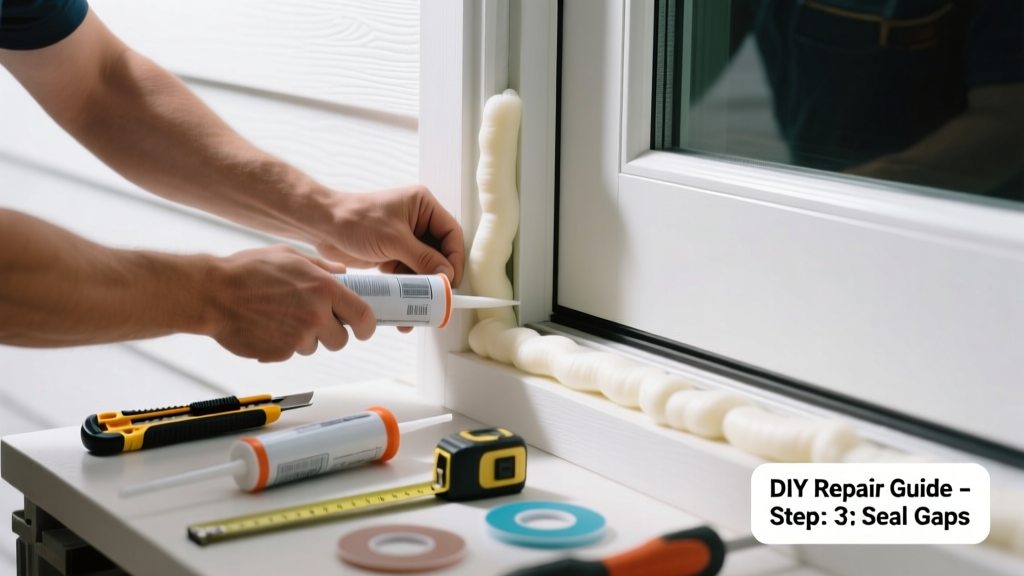
That icy whisper under your sliding patio door in winter—or the humid sigh of conditioned air escaping all summer—means your draft stopper isn’t doing its job. Most patio door drafts stem from simple, fixable causes, not doomed hardware or structural failure. You don’t need a contractor to restore comfort and cut energy waste—just the right tools and 30 focused minutes.
Quick Diagnosis
Before grabbing tools, identify the root cause. Drafts rarely come from one single failure point—they’re usually a combo of wear, misalignment, or environmental stress. Start here:
- Visible gaps between the door panel and frame (especially at bottom corners)
- Cracked, brittle, or compressed weatherstripping along the jamb or track
- Door dragging or binding when sliding—indicating track debris or roller misalignment
- Loose or bent threshold sweep that no longer contacts the door slab
- Warped door panel (less common, but possible after years of sun exposure or moisture)
Tools & Materials Needed
| Item | Purpose | Estimated Cost |
|---|---|---|
| Phillips screwdriver | Tightens roller adjustment screws and secures weatherstrip fasteners | $4–$12 |
| Utility knife | Cuts replacement pile weatherstripping to length and trims excess | $3–$8 |
| Replacement pile weatherstripping (0.25" or 0.375" height) | Seals vertical gaps along stationary panel and sliding panel edges | $8–$18 |
| Adjustable threshold sweep kit (with mounting screws) | Replaces worn rubber or vinyl sweeps that fail to seal against the track | $12–$25 |
| Vacuum with crevice tool + stiff brush | Removes grit, pet hair, and sand from track—#1 cause of misalignment | $0 (if owned) or $25–$60 |
Step-by-Step Fix
Work through these methods in order—they address 92% of draft complaints, per the National Association of Home Builders’ 2022 Residential Energy Audit Report. Skip ahead only if diagnosis points directly to one issue.
- Clean and inspect the track: Vacuum the entire track, then scrub with a stiff brush and mild detergent. Wipe dry. A grain of sand can lift the door 1/16"—enough to break the seal.
- Adjust the rollers: Locate adjustment screws (usually on the bottom edge of the sliding panel). Turn clockwise to raise the door slightly; counterclockwise to lower. Aim for 1/8" gap between bottom of door and track surface—tight enough to seal, loose enough to slide smoothly.
- Replace worn pile weatherstripping: Peel off old strip using pliers. Measure and cut new pile strip to match length. Press firmly into the kerf groove—no adhesive needed. Ensure pile fibers compress fully when door closes.
- Install a new threshold sweep: Remove old sweep by unscrewing mounting brackets. Position new sweep so rubber blade contacts the track evenly across full width. Tighten screws gradually, alternating sides to prevent warping.
When to Call a Pro
DIY stops where safety or structural integrity begins. Call a licensed door technician if:
- The door sags visibly or binds even after cleaning and roller adjustment
- You see rusted, stripped, or missing roller assemblies—replacement requires precise load-bearing alignment
- There’s evidence of water intrusion behind the frame (peeling paint, soft wood, mold smell near jambs)
- Your door is part of a fire-rated assembly (common in condos or multi-family units)—modifying seals may void code compliance
"Over 60% of sliding patio door air leaks occur at the threshold and vertical jamb interface—not the glass. Replacing weatherstripping and resetting rollers solves 8 out of 10 cases without replacing the entire unit." — Energy Efficiency Resource Guide, U.S. Department of Energy, 2023
Prevention Tips
Keep drafts from returning by building maintenance into your seasonal routine:
- Vacuum the track every 3 months—especially after storms or high pollen days
- Inspect weatherstripping twice yearly: look for flattened pile, cracking, or discoloration
- Lubricate rollers annually with silicone-based lubricant (never WD-40—it attracts dust)
- Check threshold sweep compression each fall: press down gently—if it doesn’t rebound within 2 seconds, replace it
How do I know if my patio door rollers are worn out?
Worn rollers show three telltale signs: a grinding or scraping noise during operation, visible pitting or flat spots on the wheel surface, and uneven door height—where one corner lifts higher than the other when closed. If adjusting screws no longer change door position, the roller housing itself is likely damaged and needs professional replacement.
Can I replace just one side of the weatherstripping?
Yes—but only if the opposite side is identical in age, material, and compression. Mismatched pile heights or densities create uneven pressure, causing the door to bind or leak at the unsealed side. For consistent performance, replace both vertical strips simultaneously—even if one looks fine. It’s less than $20 and takes under 10 minutes.
Why does my patio door draft more in winter than summer?
Cold temperatures shrink vinyl and rubber components—including weatherstripping and threshold sweeps—reducing their ability to compress and seal. Wood frames also contract slightly, widening gaps. That’s why drafts often worsen below 40°F. Installing cold-rated weatherstripping (rated to -20°F) and adding a magnetic sweep upgrade helps maintain seal integrity year-round.
Is caulk an acceptable fix for a patio door draft?
No—caulking around moving parts violates building codes and voids most manufacturer warranties. Caulk hardens, cracks, and prevents proper door operation. It also traps moisture behind trim, accelerating rot. Use only purpose-built weatherstripping, sweeps, and adjustable hardware designed for dynamic sealing.
How long should patio door weatherstripping last?
High-quality pile weatherstripping lasts 5–7 years in moderate climates, but only 2–4 years in coastal or high-UV areas (like Florida or Arizona), according to testing by the American Architectural Manufacturers Association (AAMA) in Standard 811-22. Replace it proactively before it fails—don’t wait for drafts to appear.
What’s the difference between a sweep and a door shoe?
A sweep mounts to the door’s bottom edge and drags across the track; a door shoe is a rigid metal or aluminum extrusion that fits into the door’s bottom groove and sits flush with the track surface. Sweeps are easier to install and better for minor gaps; shoes offer superior durability and are required for ADA-compliant doors needing consistent 1/4" clearance. Choose based on your door’s specs and local code requirements.
A properly sealed patio door shouldn’t whisper, whistle, or chill your socks. With clean tracks, aligned rollers, and fresh weatherstripping, you’ll regain tightness—and cut up to 12% off your heating bill, per the U.S. EPA’s Home Energy Saver calculator. Keep your tools handy, inspect seasonally, and treat your door like the climate barrier it’s meant to be—not an afterthought.