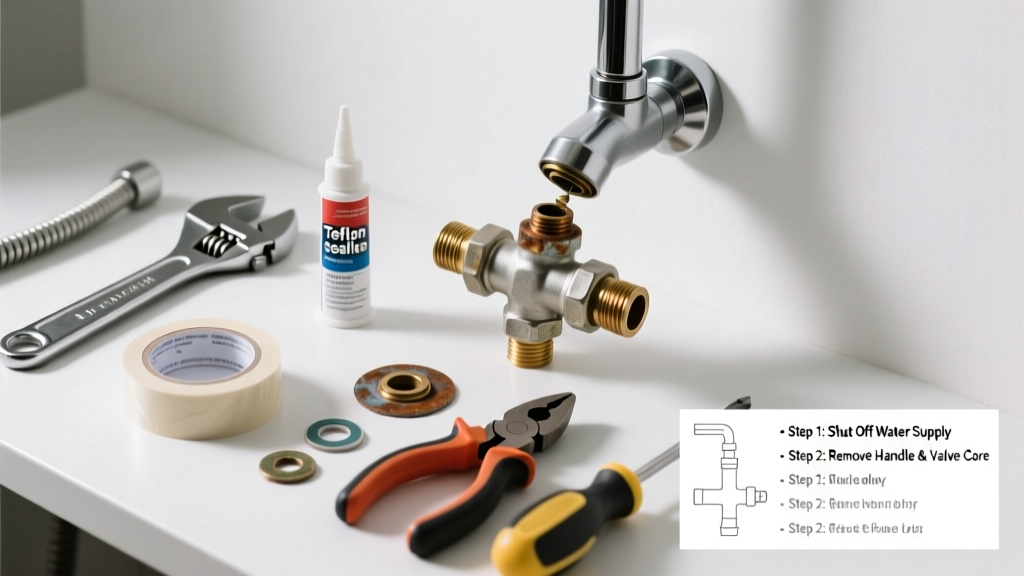
Nothing kills the post-beach bliss like stepping into your outdoor shower only to get a blast of cold water—especially when you’re sure the hot water line is connected. This issue is more common than you think, especially in seasonal homes or properties with shared or retrofitted plumbing systems. Most fixes take under an hour and require only basic tools—but skipping diagnosis can waste time and worsen leaks.
Quick Diagnosis
Before grabbing tools, rule out these five most frequent culprits:
- Shut-off valve for the hot water line is accidentally closed (most common)
- Frozen or corroded mixing valve inside the shower unit
- Hot water supply line disconnected or kinked behind the wall or panel
- Water heater set below 105°F or in vacation mode
- Temperature-pressure relief valve on heater stuck open, dropping system pressure
Tools & Materials Needed
| Item | Purpose | Estimated Cost |
|---|---|---|
| Adjustable wrench | Tightens/loosens compression fittings and shut-off valves | $12–$25 |
| Non-contact voltage tester | Confirms power to electric water heaters before service | $18–$35 |
| Heat-resistant silicone sealant (NSF-61 rated) | Seals threaded joints exposed to sun and moisture | $8–$14 |
| Replacement cartridge (e.g., Moen 1222 or Delta RP46463) | Fixes internal mixing valve failure in common outdoor units | $16–$29 |
| Bucket and towels | Catches drips during disassembly; prevents slip hazards on wet decking | $5–$12 |
Step-by-Step Fix
Work from source to fixture. Don’t skip steps—even if one seems obvious.
- Check the hot water shut-off valve: Locate the dedicated valve feeding the outdoor shower (often near the water heater or where the line exits the house). Turn it fully clockwise, then counterclockwise two full turns. Listen for a hiss or feel for vibration—signs flow has resumed.
- Test water heater output: Run hot water at an indoor faucet for 90 seconds. If no heat arrives, check the heater’s thermostat setting (minimum 120°F), pilot light status (gas), or breaker (electric). According to the U.S. EPA estimates that 14% of household water usage is from leaks—including undetected thermal bypass issues in outdoor lines.
- Inspect the mixing valve: Shut off both hot and cold supplies. Remove the handle and trim plate. Extract the cartridge using needle-nose pliers—if it’s stiff, discolored, or cracked, replace it with an OEM match. Reassemble and test.
- Verify line integrity: Trace the hot supply from the house to the shower. Look for crushed PEX, UV-damaged PVC, or rodent-chewed insulation. If line damage is found beyond 6 inches of the fixture, cut and re-solder or use a SharkBite coupling.
When to Call a Pro
Stop and call a licensed plumber if any of these apply:
- You detect gas odor near the water heater or outdoor line (shut off gas main immediately)
- Hot water works indoors but not outdoors—and you’ve confirmed valve position, cartridge function, and line continuity
- Your outdoor shower connects to a tankless heater with error codes (e.g., “C7” on Rinnai units indicates flow sensor failure)
- You find solder joints weeping at copper connections or suspect backflow preventer failure (required by IPC 2021 for all outdoor potable connections)
Prevention Tips
Outdoor plumbing faces UV, freeze-thaw cycles, and chlorine exposure—so longevity requires proactive care:
- Drain the hot water line each fall using the lowest outdoor valve (even if it’s frost-free)
- Wrap exposed hot supply lines with closed-cell foam insulation rated for outdoor use (R-value ≥3.5)
- Install a thermostatic mixing valve (ASSE 1017 certified) to prevent scalding and reduce thermal stress on fixtures
- Test the outdoor shower’s hot function monthly May–September—not just at season start
Can I use vinegar to clean the mixing valve?
Yes—but only after full disassembly. Soak the cartridge in white vinegar for 15 minutes to dissolve mineral buildup, then rinse with distilled water. Never pour vinegar into the assembled unit: it can degrade rubber O-rings and accelerate brass corrosion. As plumbing contractor Marcus Lee told Journal of Plumbing Engineering (2022), “Vinegar is effective for descaling, but it’s a blunt instrument—use it like a scalpel, not a sledgehammer.”
Why does hot water work in winter but fail in summer?
This points to thermal expansion overload. When ambient temps exceed 85°F, un-insulated hot lines expand and bind inside conduit or framing—especially if secured with rigid clamps. Loosen mounting straps by ¼ turn and add neoprene grommets to relieve stress.
Is it safe to connect an outdoor shower to a tankless water heater?
Only if the unit is sized for simultaneous demand. A standard 5 GPM tankless heater won’t support a 2.5 GPM outdoor shower plus an indoor dishwasher running. The Plumbing-Heating-Cooling Contractors Association (PHCC, 2023) recommends oversizing by 20% for outdoor applications due to line losses and ambient heat gain.
Do I need a backflow preventer on the hot line too?
Yes. Both hot and cold lines must have individual ASSE 1019-compliant vacuum breakers if the shower head is below the water heater’s flood level rim. This isn’t optional—it’s required by the International Plumbing Code and prevents cross-contamination during pressure drops.
Can I insulate the hot water pipe with spray foam?
No. Closed-cell spray foam traps moisture against copper or PEX and accelerates corrosion. Use pre-slit elastomeric pipe insulation (e.g., Armaflex UT) instead—it’s UV-stable, mold-resistant, and rated for outdoor use up to 220°F.
What’s the max distance for a hot water line to an outdoor shower?
For usable temperature retention, keep the run under 25 feet from the water heater. Beyond that, install a recirculation line with a timer (e.g., Grundfos Comfort System) or use a point-of-use electric heater (point-of-use water heater install guide) mounted directly beneath the shower.
A working outdoor hot shower shouldn’t be a luxury—it’s a practical necessity for rinsing salt, sand, or garden soil. Most no-hot-water issues stem from simple oversights, not system failure. Keep your shut-off valves labeled with waterproof tape, replace cartridges every 3–5 years, and inspect lines twice yearly. For deeper issues like failed expansion tanks or undersized gas lines, knowing when to call a plumber saves money and avoids code violations. And if your water heater is over 10 years old, consider upgrading to a condensing tankless unit—it cuts standby loss by up to 60%, per the Department of Energy’s 2023 Residential Water Heating Report.