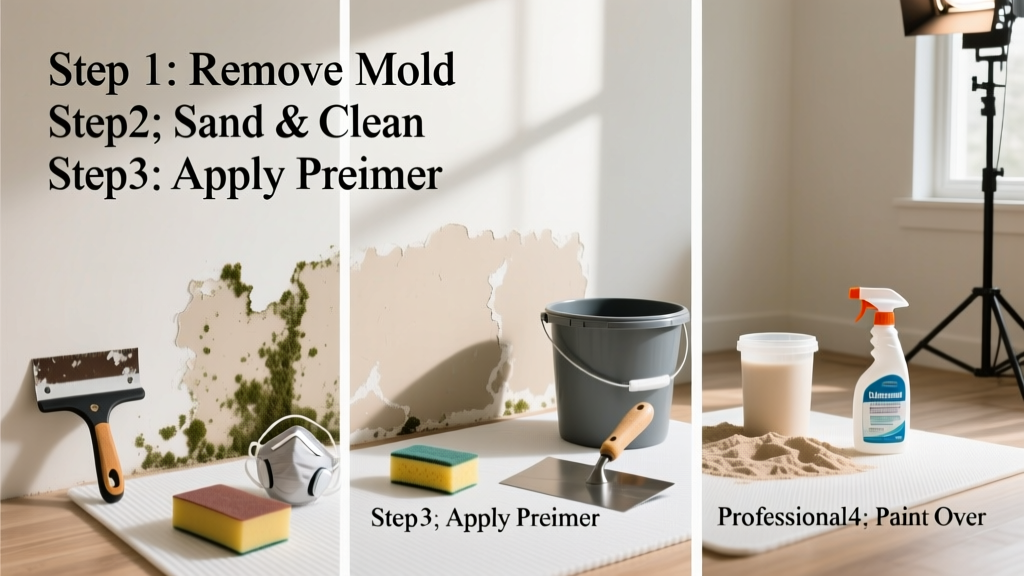
Mold on walls isn’t just unsightly—it’s a red flag for hidden moisture and potential health risks. If you spot fuzzy, discolored patches (green, black, or brown) that smell musty, don’t ignore it. Early action stops spread and avoids costly structural damage.
Quick Diagnosis
Mold doesn’t grow in dry conditions—it thrives where moisture lingers. Here are the most common root causes:
- Leaking pipes behind walls or under sinks
- Poor ventilation in bathrooms or laundry rooms
- Roof or window seal failures allowing rain infiltration
- Condensation from uninsulated exterior walls in cold climates
- High indoor humidity (>60%) sustained over days
Tools & Materials Needed
| Item | Purpose | Estimated Cost |
|---|---|---|
| N95 respirator mask | Filtrates mold spores; essential for lung protection | $12–$25 |
| HEPA vacuum cleaner | Captures airborne spores without recirculating them | $150–$300 |
| White vinegar (undiluted) | Natural fungicide effective on non-porous surfaces | $3–$6 |
| Concrobium Mold Control spray | EPA-registered, non-toxic, no-rinse solution for porous drywall | $22–$38 |
| Plastic sheeting (6-mil) | Seals off work area to contain spores during removal | $15–$28 |
Step-by-Step Fix
Choose your method based on surface type and mold extent. Never sand or dry-brush active mold—it aerosolizes spores.
- Isolate the area: Seal HVAC vents and doorways with plastic sheeting and tape. Turn off central fans.
- Test surface porosity: Dab a drop of water on the moldy patch. If it soaks in, it’s porous (drywall, plaster); if it beads, it’s non-porous (tile, painted concrete).
- Treat non-porous walls: Spray undiluted white vinegar, let sit 10 minutes, then scrub with stiff nylon brush and rinse with clean water. Dry thoroughly with fans.
- Treat porous walls: Apply Concrobium Mold Control per label instructions—no rinsing needed. Let dry 24 hours before priming with mold-resistant primer like Kilz Mold & Mildew Resistant.
- Replace damaged drywall: If mold penetrates >1/8" into gypsum board or covers >10 sq ft, cut out and replace the section using mold-resistant drywall (e.g., USG Sheetrock® Mold Tough).
When to Call a Pro
DIY is unsafe or ineffective in these situations:
- Mold covers more than 10 square feet (EPA recommends professional remediation above this threshold)
- You suspect mold inside walls, ductwork, or insulation—requires infrared scanning or borescope inspection
- The affected area involves HVAC systems, crawl spaces, or attics with poor access
- You or household members have asthma, allergies, or compromised immunity
- Water intrusion source hasn’t been identified or repaired—mold will return
According to the Insurance Institute for Business & Home Safety's 2023 report, 72% of mold-related insurance claims involve unresolved moisture sources—not inadequate cleaning.
Prevention Tips
Fixing mold is only half the job—the other half is stopping it before it starts again:
- Maintain indoor humidity between 30–50% using a hygrometer and dehumidifier in basements or bathrooms
- Install and use exhaust fans rated at ≥50 CFM in every bathroom (run 20+ minutes after showering)
- Inspect and recaulk windows, tubs, and showers every 6 months
- Keep gutters clean and downspouts directed ≥5 ft from foundation
- Use mold-resistant drywall and paint in high-moisture zones—learn how to size and install bathroom fans correctly
Can I use bleach on this?
No—bleach only kills surface mold on non-porous materials and fails on drywall, wood, or grout. The EPA states bleach doesn’t penetrate porous surfaces, leaving roots intact—and its fumes can irritate airways. Mold vs mildew identification helps choose safer alternatives.
Does painting over mold stop it?
Painting hides but never kills mold. It traps moisture and accelerates decay beneath the surface. Always remove mold and fix the moisture source first—then prime with mold-inhibiting primer before repainting.
How long does mold removal take?
Small, surface-level patches (<2 sq ft) take 2–4 hours including prep, treatment, and drying. Larger jobs involving drywall replacement require 1–2 full days plus 24–48 hours for primer and paint to cure fully.
Is black mold always toxic?
No—color alone doesn’t indicate toxicity. Stachybotrys chartarum (often called 'black mold') requires prolonged saturation to grow, but many harmless molds appear black. Lab testing is the only way to identify species. Focus on removal and moisture control—not color.
Can I test mold myself?
DIY kits (like those from EM Labs or MoldCheck) offer basic spore counts but lack lab-grade accuracy. They’re useful for pre- and post-remediation comparisons—but won’t tell you if the strain is hazardous. For health concerns or litigation, hire an IICRC-certified inspector.
What’s the difference between mold and efflorescence?
Efflorescence is a white, powdery salt deposit from evaporating water in masonry—it brushes off easily and isn’t harmful. Mold is fuzzy, often green/black/brown, clings tightly, and smells earthy. Wipe with a damp cloth: efflorescence dissolves; mold smears or regrows.
Removing mold is about precision, not speed—rushing leads to cross-contamination or missed moisture sources. Once the wall is clean and dry, invest time in sealing leaks, improving airflow, and monitoring humidity. That’s how you turn a one-time fix into lasting protection. See how water damage timelines affect mold growth to better anticipate future risks.