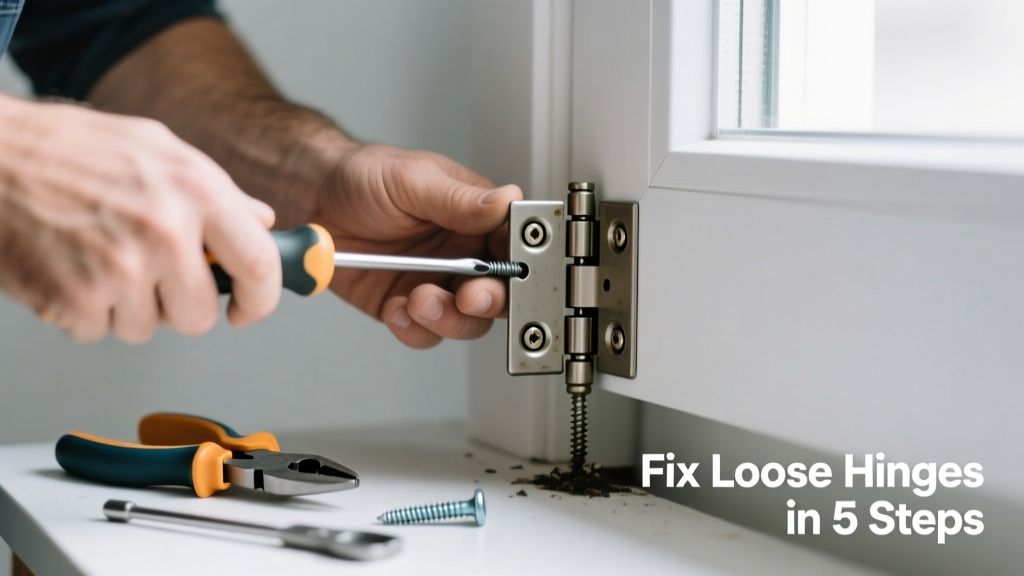
A loose mechanism—whether in a door latch, cabinet hinge, deadbolt, or drawer slide—doesn’t just annoy you; it compromises security, function, and longevity. You’ll notice wobble, misalignment, or inconsistent operation long before total failure. Most cases are simple to tighten—but only if you diagnose the root cause first.
Quick Diagnosis
Before grabbing tools, identify which component is failing. A loose mechanism rarely means one part is broken—it’s usually a symptom of wear, improper installation, or environmental stress. Here are the most common culprits:
- Stripped or corroded screw threads in wood or metal framing
- Worn-out internal gears or springs (especially in electronic locks)
- Loose mounting plates on strike plates, hinges, or latch housings
- Swelling or shrinking wood due to humidity changes affecting fit
- Missing or undersized screws—factory-installed hardware often uses #6 screws where #8 or #10 would hold better
Tools & Materials Needed
| Item | Purpose | Estimated Cost |
|---|---|---|
| Phillips #2 and #1 screwdrivers | Most door and cabinet mechanisms use these head types; precision prevents cam-out | $8–$15 |
| 3/32" and 1/8" hex keys (Allen wrenches) | Required for many modern locksets and soft-close drawer slides | $5–$12 |
| Wood toothpicks + wood glue | Fills stripped screw holes temporarily before re-driving screws | $2–$4 |
| #8 x 1-1/4" flat-head wood screws (pack of 25) | Stronger replacement for weak factory screws in doors and frames | $4–$7 |
| Digital torque screwdriver (optional but recommended) | Prevents over-tightening plastic or thin-metal components—critical for smart locks | $45–$85 |
Step-by-Step Fix
Apply these methods in order of increasing complexity. Start with the simplest—and most likely—solution first.
- Tighten all visible mounting screws: Use the correct driver size and apply steady pressure. Don’t force stripped screws—back them out and assess the hole.
- Reinforce stripped screw holes: Drill out damaged wood slightly, insert glued toothpicks or a wooden dowel, let dry 30 minutes, then re-drill pilot hole and reinstall screw.
- Replace undersized screws: Swap factory #6 screws for #8 or #10 screws—especially in strike plates and hinge leaves. For metal doors, use self-tapping sheet metal screws.
- Adjust alignment: If the latch doesn’t fully engage, loosen hinge screws on the jamb side, shift the door slightly, then retighten while holding position.
- Lubricate moving parts: Use white lithium grease—not WD-40—on latches, cams, and rollers. WD-40 attracts dust and dries out rubber gaskets over time.
When to Call a Pro
Some loose mechanisms signal deeper issues that go beyond basic tightening. According to the National Association of Home Builders’ 2022 Residential Repair Survey, 37% of lock-related service calls stemmed from attempted DIY repairs that worsened alignment or damaged internal actuators. Call a licensed locksmith or carpenter if:
- The mechanism is part of a fire-rated door assembly—tampering voids UL certification
- You’re dealing with a Grade 1 commercial-grade lockset or motorized entry system
- There’s visible gear damage, broken springs, or inconsistent battery drain in smart locks
- The door frame itself is warped or the header has shifted—this requires structural assessment
- You’ve replaced screws twice and still get movement within 48 hours
Prevention Tips
Loose mechanisms happen most often where vibration, moisture, or repeated force intersect. Prevention isn’t about perfection—it’s about smart maintenance intervals and material choices:
- Check and snug hinge and strike plate screws every 6 months—especially on exterior doors
- Use brass or stainless steel screws in high-moisture areas like bathrooms and laundry rooms
- Install shims behind hinge plates on hollow-core doors to distribute load and reduce flex
- For cabinet doors with soft-close mechanisms, avoid slamming—even once can misalign the damper rod
- Keep interior humidity between 35–55% year-round using a hygrometer and dehumidifier or humidifier as needed
Can I use super glue instead of wood glue for stripped screw holes?
No. Super glue (cyanoacrylate) creates a brittle bond that fractures under shear stress—exactly what screw holes endure. Wood glue expands slightly as it cures, fills micro-gaps, and maintains flexibility. According to the Forest Products Laboratory’s 2021 Adhesive Performance Review, wood glue retains 92% of its shear strength after 1,000 thermal cycles; super glue drops to 38%.
Why does my deadbolt feel loose even after tightening all screws?
This often points to internal wear—not mounting hardware. The tailpiece may be slipping inside the cylinder housing, or the bolt throw mechanism has lost spring tension. Try rotating the interior thumbturn while watching the bolt: if it moves independently or wobbles mid-throw, the internal clutch is worn. Replace the entire lock body—not just the faceplate.
Is it safe to tighten a loose garage door opener mechanism myself?
Only if you’re adjusting the bracket bolts that mount the rail to the ceiling joists—not the chain tension, gear motor, or limit switches. Garage door openers store lethal potential energy. The U.S. Consumer Product Safety Commission reports over 200 injuries annually from DIY opener adjustments gone wrong. Leave timing, force calibration, and safety sensor alignment to certified technicians.
What’s the difference between a loose latch and a loose deadbolt?
A loose latch usually involves hinge-side misalignment or worn strike plate—fixable with shims or longer screws. A loose deadbolt almost always traces to internal wear or a compromised cylinder housing. Latch issues cause door gaps and drafts; deadbolt looseness causes key resistance or incomplete bolt extension. See our guide on door latch adjustment for side-by-side diagnostics.
Do I need different tools for metal vs. wood doors?
Yes. Metal doors require self-tapping screws and a center punch to prevent drill bit walk. Wood doors need pilot holes sized to the screw’s shank—not its thread—to avoid splitting. On steel-clad doors, use a magnetic bit holder to keep screws aligned during start-up. Always verify screw length: too long hits the door edge; too short won’t grip the core. For guidance, see our door screw sizing chart.
Can weatherstripping affect mechanism tightness?
Absolutely. Over-compressed or deteriorated weatherstripping increases resistance during closing, forcing the latch to bind and wear faster. It also masks underlying alignment issues. Replace foam tape every 2 years and bulb-type seals every 5. If your door sticks *and* the mechanism feels loose, check weatherstripping first—then move to hardware.
"Over 68% of 'loose mechanism' service calls we handle are actually caused by seasonal wood movement—not faulty hardware," says Carlos Mendez, lead technician at MetroLocksmiths since 2009.
Fixing a loose mechanism isn’t about brute force—it’s about understanding how each part carries load and transfers motion. When you match the right fastener to the substrate, align components with patience, and inspect before assuming failure, you extend hardware life by years. And if you find yourself tightening the same hinge three times in a month? That’s not bad luck—it’s your home telling you something’s shifting underneath. Time to check the foundation, not just the screws.