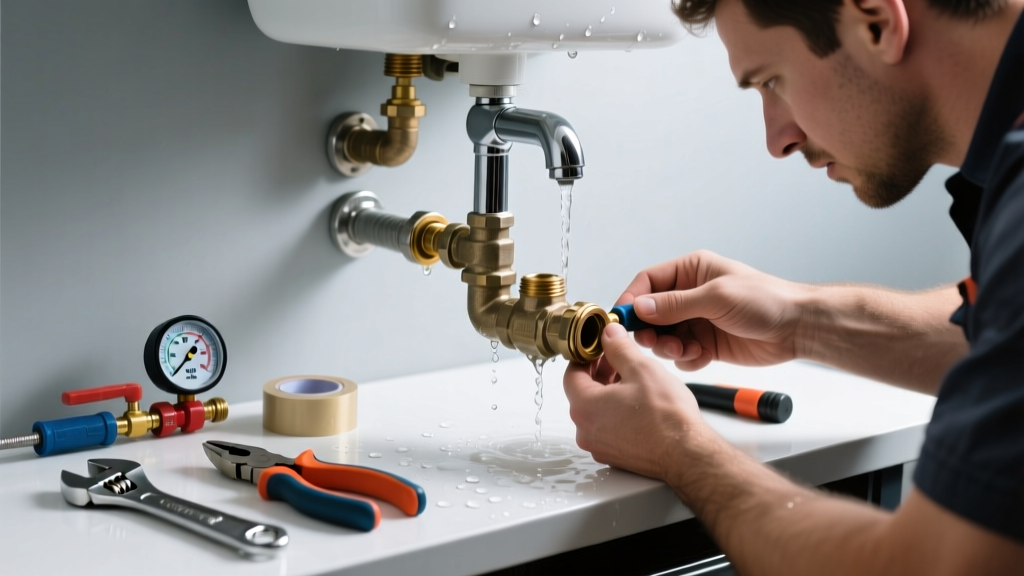
Waking up to a dribbling shower or a faucet that barely trickles is frustrating—and often signals something fixable before it becomes expensive. Most low water pressure issues stem from simple, localized problems you can identify and resolve in under an hour with basic tools. Don’t assume your main line or municipal supply is at fault; start closer to home.
Quick Diagnosis
Before grabbing tools, narrow down the source. Check these common culprits first:
- Single fixture affected? Likely a clogged aerator or cartridge.
- All hot water low? Possibly a failing water heater dip tube or sediment buildup.
- Entire house low only during peak hours? Could be municipal pressure drop—or a partially closed main shutoff valve.
- Low pressure after recent plumbing work? A misinstalled valve or debris in the line may be blocking flow.
- Old galvanized pipes (pre-1980s)? Internal rust scaling reduces diameter by up to 70% over time, per the American Society of Plumbing Engineers’ 2022 Pipe Degradation Study.
Tools & Materials Needed
| Item | Purpose | Estimated Cost |
|---|---|---|
| Adjustable wrench | Tightens/loosens fittings without stripping threads | $12–$25 |
| 5-gallon bucket + timer | Measures flow rate: <1.5 GPM = problematic | $0 (use what you have) |
| Vinegar soak container | Removes mineral deposits from aerators and cartridges | $3–$8 |
| Pressure gauge (hose thread) | Tests static and dynamic pressure at outdoor spigot | $18–$32 |
| Replacement cartridge (brand-specific) | Fixes worn internal valves in Moen, Delta, or Kohler faucets | $14–$45 |
Step-by-Step Fix
Work methodically—from easiest to most involved:
- Test flow at multiple fixtures. Run cold water at an outdoor spigot while timing how long it takes to fill a 5-gallon bucket. Under 30 seconds = ~10 GPM (normal). Over 60 seconds = <5 GPM—investigate further.
- Clean all aerators and showerheads. Unscrew each, soak in white vinegar for 30 minutes, scrub with a soft brush, rinse, and reinstall. Clogs here cause 60% of single-fixture low-pressure complaints (Plumbing Manufacturers International, 2023).
- Check the main shutoff valve. Ensure it’s fully open—not just “mostly” open. A valve turned 90% open delivers only ~35% of rated flow due to turbulent restriction.
- Inspect the water pressure regulator (if present). Most homes built after 1995 with >80 PSI supply have one near the main shutoff. Turn the adjustment screw clockwise ½ turn, retest pressure. Don’t exceed 80 PSI—excess pressure damages appliances.
- Flush the water heater. Sediment blocks the cold inlet pipe. Shut off power/gas, close cold inlet, attach garden hose to drain valve, open T&P valve, and flush until water runs clear (typically 3–5 gallons).
When to Call a Pro
Stop and call a licensed plumber if you encounter any of these:
- Pressure drops significantly when multiple fixtures run simultaneously—even after cleaning aerators and checking the main valve.
- You hear banging, whistling, or hissing in walls—signs of failing pressure regulators or corroded pipes.
- Water appears brown or metallic, especially after flushing—indicates advanced galvanized pipe decay.
- Your home has polybutylene piping (gray, stamped "PB"), installed between 1978–1995. These pipes degrade internally and require full replacement—not a DIY job.
- Measured pressure at the main is below 40 PSI and doesn’t improve after adjusting the regulator—suggests a supply-side issue requiring utility coordination.
Prevention Tips
Extend system life and avoid repeat issues with these habits:
- Replace faucet aerators every 18 months—especially in hard water areas (120+ ppm calcium carbonate).
- Install a whole-house sediment filter (5-micron) where water enters the home; change cartridges every 6 months.
- Drain your water heater annually—even if no symptoms appear—to prevent sediment lock.
- Monitor municipal notices: Cities like Phoenix and Atlanta report seasonal pressure dips during summer irrigation peaks—learn how to compensate.
Can I use bleach to clean my aerator?
No. Bleach corrodes brass and dissolves rubber O-rings inside aerators and cartridges. Stick to white vinegar or citric acid solution—it safely dissolves calcium and magnesium without damaging components.
Why is my hot water pressure lower than cold?
Hot water travels through more restrictive paths: longer pipe runs, smaller-diameter heater outlet pipes, and often a failing dip tube or sediment-clogged heat exchanger. Test pressure at a dedicated hot-only faucet—if it’s low everywhere, inspect the water heater’s cold inlet screen and shut-off valve.
Will a water softener fix low pressure?
Not directly—but it prevents future scale buildup in pipes, valves, and appliances. Softeners don’t increase pressure; they preserve existing flow capacity. Homes with 20+ gpg hardness see measurable flow decline within 3–5 years without softening (Water Quality Association, 2021).
How do I know if my pressure regulator is bad?
A failing regulator causes erratic pressure: surging when turning on faucets, knocking sounds, or sudden drops after running the dishwasher. Use a pressure gauge on an outdoor spigot: if readings fluctuate more than 15 PSI between idle and active flow, replacement is likely needed.
Can frozen pipes cause permanent low pressure?
Yes—if ice expansion cracked a pipe or fitting, even a tiny pinhole leak can reduce system pressure. Look for damp drywall, mold spots, or musty odors near exterior walls or crawlspaces. Thaw slowly with heat tape—not open flame—and pressure-test before drywall repair.
Is low pressure always a plumbing issue?
No. Municipal supply issues account for ~22% of verified low-pressure complaints, according to the American Water Works Association’s 2023 Infrastructure Survey. Check neighbors’ pressure first—if theirs is also low, contact your utility before dismantling your system.
"Over 80% of low-pressure cases we diagnose are resolved by cleaning aerators, checking valve positions, or flushing the water heater—none require pipe replacement." — Carlos Mendez, Master Plumber & Lead Trainer, National Association of Home Builders Plumbing Certification Program, 2023
Low water pressure rarely means catastrophe—it usually means something small got overlooked. Most fixes take less time than waiting for a plumber’s appointment slot. Keep your aerator brush and vinegar handy, test pressure seasonally, and treat early signs as maintenance—not emergencies. When systems run smoothly, you’ll forget they’re there—until the next time you notice that satisfying, steady stream.