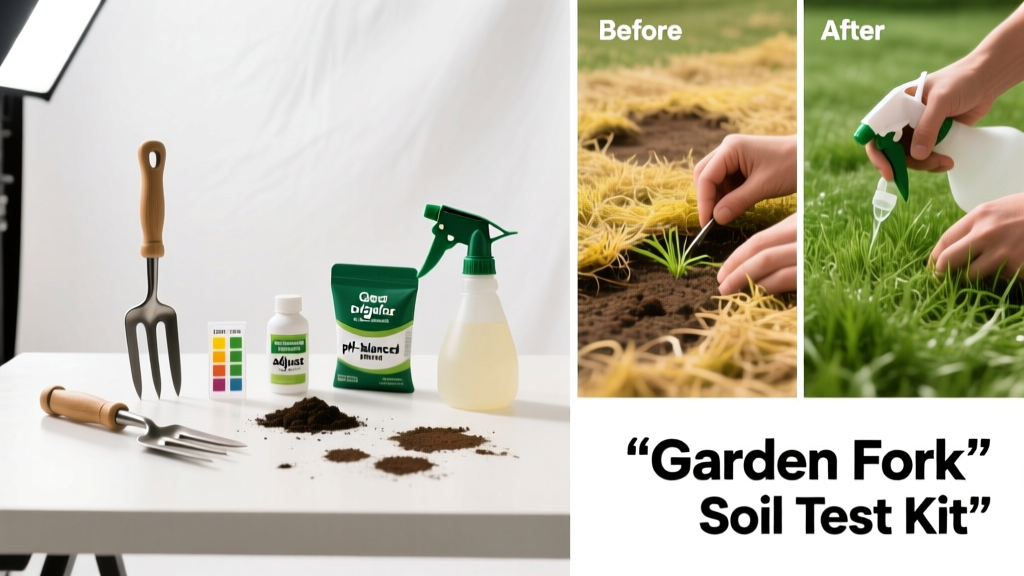
That bright yellow patch in your lawn isn’t drought stress—it’s dog urine burn, and it’s more common than you think. Over 70% of homeowners with dogs report at least one urine spot per season, according to the Pet Industry Joint Advisory Council’s 2022 Home & Pet Survey. The good news? Most cases respond well to targeted, low-cost fixes—if you act before the roots die.
Quick Diagnosis
Urine spots aren’t always what they seem. Confirm it’s urine damage—not grub infestation, fungal disease, or chemical spill—by checking for these signs:
- Distinct circular or irregular yellow/brown patches, often with a darker green ring around the edge (the 'burn halo')
- Damage concentrated near favorite potty spots, fence lines, or hydrants
- No visible insect activity or powdery residue on blades
- Recent increase in dog urination frequency or diet change (e.g., high-protein food)
Tools & Materials Needed
| Item | Purpose | Estimated Cost |
|---|---|---|
| Garden hose with spray nozzle | Dilutes urine salts within 8–12 hours of deposition | $12–$25 |
| Soil pH test kit | Confirms if soil is overly alkaline (pH > 8.0) from urea breakdown | $8–$15 |
| Organic topdressing mix (compost + sand + loam) | Rebuilds microbial life and buffers soil chemistry | $25–$40 per 2 cu ft bag |
| Hand cultivator or thatch rake | Loosens compacted surface layer without damaging live roots | $14–$22 |
| Scotts Turf Builder Grass Seed (shade-tolerant blend) | Replaces dead areas; choose variety matching your existing lawn | $18–$26 per 4 lb bag |
Step-by-Step Fix
Choose the method based on spot age and size. For spots under 6 inches wide and less than 3 days old, start with dilution. For older or larger patches, combine mechanical and biological repair.
- Dilute immediately: Within 8 hours of spotting, flood the area with 2 gallons of water per square foot using a gentle spray setting. This leaches urea and ammonium salts before they crystallize in soil.
- Aerate and dethatch: Use a hand cultivator to gently scratch the top ¼ inch of soil over the spot—just enough to break crust, not tear roots. Remove any brittle, straw-like debris.
- Amend pH and biology: Sprinkle ½ cup of gypsum per 10 sq ft (for clay soils) or elemental sulfur (for sandy soils) if pH tests above 7.8. Then apply ¼-inch layer of compost-based topdressing.
- Reseed selectively: Press grass seed into damp topdressing—don’t bury it. Keep moist for 10–14 days. Avoid foot traffic and mowing until new growth reaches 3 inches.
When to Call a Pro
DIY fails when root systems are fully necrotic or soil chemistry is severely imbalanced. Call a licensed turf specialist if:
- The brown patch is larger than 2 feet in diameter and hasn’t greened after 3 weeks of consistent watering and topdressing
- You’ve tested soil pH twice and it reads ≥ 8.5 despite sulfur applications
- Multiple spots appear overnight across different lawn zones—even after restricting dog access
- You suspect underlying drainage issues (e.g., pooling water beneath spots after rain)
According to the University of Massachusetts Extension’s 2023 Turf Management Bulletin, 22% of persistent urine spots involve secondary compaction or subsurface runoff—not just nitrogen toxicity.
Prevention Tips
Prevention reduces recurrence by 60–80% when consistently applied. Start with your dog’s habits and your lawn’s resilience:
- Train your dog to use a designated gravel or mulch zone—reinforce with treats and consistency
- Maintain lawn at 2.5–3.5 inches tall; longer blades shade soil, reducing salt concentration at root level
- Water deeply 1–2x/week instead of daily shallow sprinkles—this pushes salts deeper, away from crowns
- Switch to a moderate-protein dog food (18–22% crude protein); avoid supplements with excess calcium or vitamin D
- Apply a microbial soil conditioner like Bio-Turfs BioZyme every 6 weeks during active growing season
Can I use bleach on this?
No—bleach kills beneficial microbes, worsens soil salinity, and damages surrounding grass. It also reacts unpredictably with urea, potentially releasing toxic chloramine gas. Stick to water, compost, and pH-adjusting minerals.
Will grass grow back on its own?
Yes—if the crown (base of the blade where growth occurs) is still alive. You’ll see tiny green shoots within 5–10 days after thorough watering and topdressing. If no regrowth appears after two weeks, the crown is dead and reseeding is required.
Is baking soda effective?
No. Baking soda raises pH further (it’s alkaline), worsening the very condition that makes urine toxic to grass. It may temporarily mask odor but does nothing to neutralize ammonium nitrate buildup. Skip it—use gypsum or sulfur instead.
Do female dogs cause worse spots than males?
Statistically yes—female dogs typically squat and deposit all urine in one concentrated spot, while males mark vertically and disperse volume. A 2021 study in Applied Animal Behaviour Science found female-associated spots were 3.2× more likely to require reseeding than male-associated ones.
Can I overseed the whole lawn instead of spot-treating?
You can—but it’s inefficient and expensive unless >15% of your lawn is affected. Spot treatment uses 90% less seed and avoids smothering healthy grass. Reserve full overseeding for lawns with widespread thinning or soil compaction.
Does apple cider vinegar help neutralize urine?
No peer-reviewed evidence supports this. Vinegar is acidic, but urine damage isn’t primarily about pH—it’s about nitrogen overload and salt accumulation. Dilution and microbial recovery matter far more than pH tweaks.
Fixing dog urine spots isn’t about fighting chemistry—it’s about restoring balance. Water fast, amend smart, and match your repair to the stage of damage. Most small spots recover fully in under three weeks with consistent care. And if your neighbor’s golden retriever keeps targeting your front border? Consider installing a low-maintenance barrier of lavender or rosemary—they repel dogs naturally and bloom all summer.