Your kitchen laundry tub just gurgled, overflowed, or won’t drain at all—and yes, it’s weird to have a utility sink in the kitchen, but many older homes and rental units do. Unlike bathroom sinks, these tubs handle lint, pet hair, and even stray socks, making them prone to stubborn clogs that back up into your countertop or floor.
Quick Diagnosis
Before grabbing tools, identify what’s likely blocking the line:
- Lint and fabric fibers from washing machine hoses or hand-washing clothes
- Grease buildup from kitchen use (especially if shared with dishwashing)
- Soap scum and mineral deposits from hard water
- Foreign objects like buttons, bobby pins, or small toys dropped during laundry prep
- A collapsed or corroded P-trap—common in galvanized steel pipes in homes built before 1980
Tools & Materials Needed
| Item | Purpose | Estimated Cost |
|---|---|---|
| Plunger (cup-style, not flange) | Creates suction on wide, shallow tub drains; avoids splashback | $8–$15 |
| Zip-it tool or 20-gauge auger | Reaches 18–24" into trap and horizontal run—ideal for lint balls | $3–$12 |
| White vinegar + baking soda | Natural reaction breaks down organic sludge without damaging pipes | $2–$5 |
| Adjustable wrench | Removes P-trap nuts safely—even if corroded or tight | $12–$25 |
| Rubber gloves & shop towel | Protects hands and contains mess during trap removal | $4–$8 |
Step-by-Step Fix
- Try the plunger first: Seal the overflow opening with a wet rag, fill the tub with 3–4 inches of warm water, and plunge vigorously for 20 seconds. Repeat up to three times.
- Use a Zip-it or hand auger: Insert slowly until resistance, then twist and push gently. Pull out—check for gray, fuzzy lint clumps. Repeat until clean water flows freely.
- Vinegar-and-baking-soda flush: Pour ½ cup baking soda, wait 2 minutes, then add 1 cup white vinegar. Cover drain and wait 15 minutes before flushing with 4 cups boiling water.
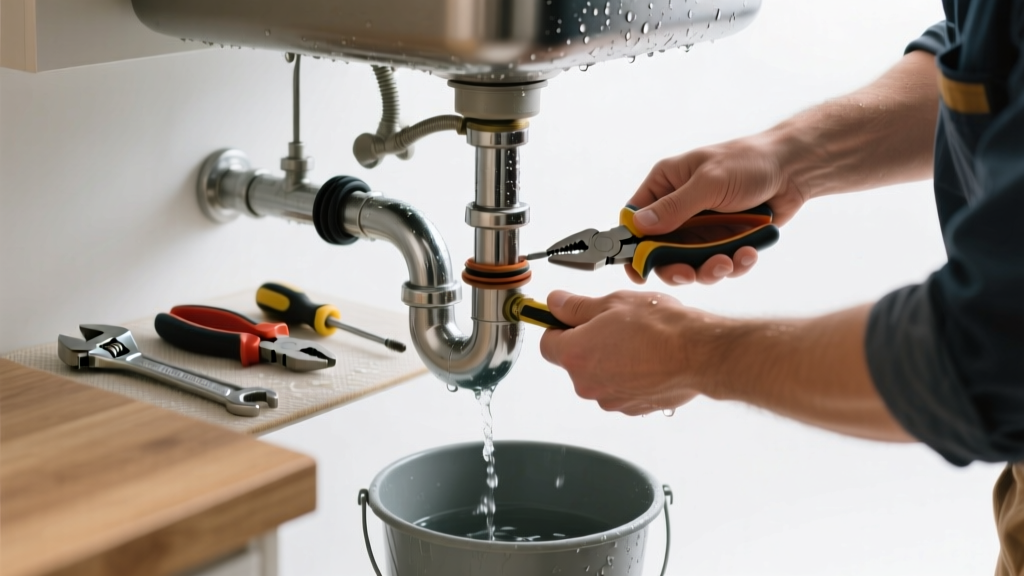
- Remove and clean the P-trap: Place bucket under trap, loosen nuts with wrench, detach, dump contents into bucket, scrub interior with bottle brush, reassemble tightly.
When to Call a Pro
DIY stops being safe or effective in these cases:
- Water backs up into other fixtures (sink, dishwasher, or floor drain)—sign of a main line blockage
- You smell sewer gas after unclogging attempts (indicates vent pipe issue or cracked pipe)
- Drain clears temporarily but re-clogs within 24–48 hours
- You hear gurgling from walls or see wet drywall near plumbing—possible pipe leak or collapse
According to the Insurance Institute for Business & Home Safety's 2023 report, 62% of kitchen utility sink backups linked to main sewer line issues go undetected until secondary damage occurs—so don’t delay calling a licensed plumber if symptoms persist.
Prevention Tips
- Install a fine-mesh strainer over the drain before every use—even for rinsing sponges or soaking dishes
- Rinse lint traps from portable washers directly into trash—not the tub
- Flush monthly with 1 quart of boiling water mixed with ¼ cup white vinegar
- Avoid pouring grease, coffee grounds, or powdered detergents down the tub
- Inspect P-trap every 6 months for corrosion or slow leaks using a flashlight and mirror
Can I use bleach on this?
No. Bleach reacts poorly with residual soap scum or ammonia-based cleaners and can corrode metal pipes over time. It also fails against lint and hair—the primary culprits in laundry tub clogs. Stick with mechanical removal or enzymatic cleaners like Bio-Clean.
Why does my laundry tub gurgle when the dishwasher runs?
This points to a shared vent or partial blockage in the branch line connecting both fixtures. The dishwasher’s rapid discharge creates negative pressure, pulling air through the tub’s drain. A plumber should inspect the vent stack and clean the common 2-inch waste line.
Is it safe to snake past the P-trap myself?
Only with a hand-crank auger rated for 25+ feet and a flexible tip. Power snakes risk scratching ABS or PVC pipe walls, creating micro-fractures that invite future root intrusion or leaks. If you feel sudden resistance beyond 3 feet, stop—call a pro. As Master Plumber Dan Rios told Modern Plumbing Magazine (2022), “Most DIY ‘snake-through’ attempts end up pushing debris deeper or kinking the line.”
What’s the difference between a laundry tub and a utility sink?
Functionally identical—but laundry tubs are typically deeper (12–18"), often mounted in cabinets or islands, and may tie into older laundry-specific vents. Many kitchen-installed versions lack dedicated venting, making them more prone to siphoning and slow drainage than standard utility sinks.
Can I replace the P-trap with a drum trap?
No. Drum traps are illegal in all U.S. jurisdictions per the 2021 International Plumbing Code (IPC §405.4) due to their tendency to trap debris and resist cleaning. Always use a code-compliant P-trap or S-trap with smooth interior radius and slip-joint connections.
How do I know if the clog is in the wall versus the trap?
If water drains slowly but steadily after trap removal—and improves only slightly with plunging—it’s likely in the wall. Confirm by running water while listening at the wall: a hollow thud means open pipe; a muffled gurgle suggests obstruction. For certainty, rent a $40 drain camera or hire a plumber with one—they’ll show you real-time footage of the blockage location.
Keeping your kitchen laundry tub functional isn’t about luck—it’s about catching lint early, respecting pipe geometry, and knowing when a $120 service call saves you $1,200 in water damage. Pair regular maintenance with the right tools, and you’ll avoid most emergencies before they start. For persistent slow drains, consider upgrading to a stainless steel deep tub with oversized 2-inch drain—it moves water 40% faster than standard 1.5-inch setups, per Plumbing Manufacturers International testing (2023).