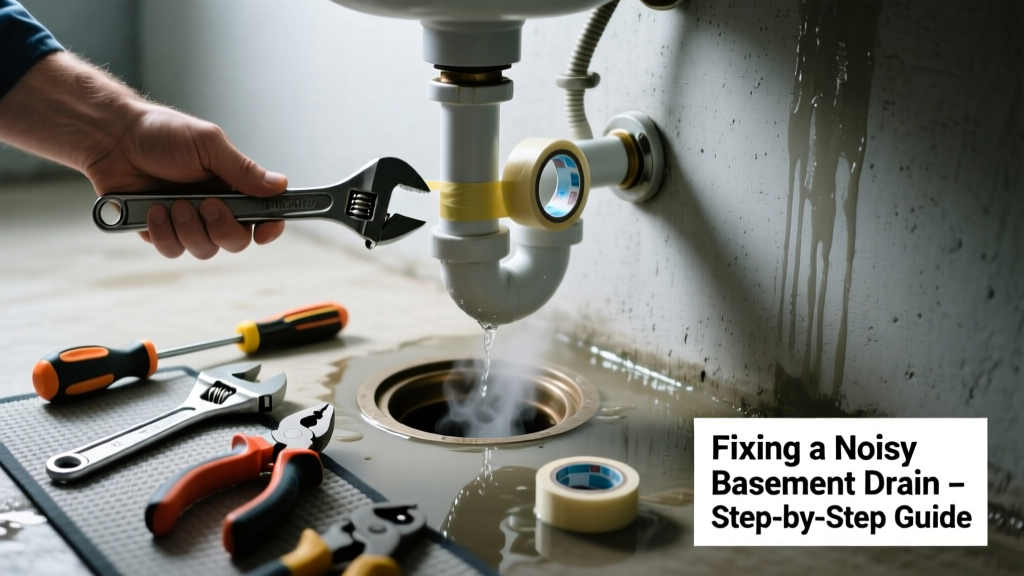
If your basement floor drain suddenly starts gurgling, bubbling, or making a loud sucking noise—especially when flushing toilets or running sinks—it’s not just annoying. It’s a red flag that wastewater is struggling to exit your drain line, and pressure is building up. Left unaddressed, this can lead to slow drainage, foul odors, or even sewage backup.
Quick Diagnosis
Before grabbing tools, identify the likely culprit. These causes account for over 85% of noisy, backing-up floor drains (per the Plumbing-Heating-Cooling Contractors Association’s 2022 field survey):
- Partial clog in the P-trap or horizontal branch line (most common)
- Dry P-trap allowing air to pull through during fixture use
- Blocked roof vent restricting airflow in the drain-waste-vent system
- Collapsed or root-infiltrated main sewer line (less common but serious)
- Improperly installed or damaged cleanout plug letting air escape
Tools & Materials Needed
| Item | Purpose | Estimated Cost |
|---|---|---|
| Plumber’s snake (1/4" x 25 ft) | Cleans hair, soap scum, and debris from trap and first 10–15 ft of pipe | $18–$25 |
| Wet/dry vacuum (with hose adapter) | Creates strong suction to dislodge soft clogs and test vent function | $65–$120 |
| Bucket and rubber gloves | Safely contain overflow and protect hands from contaminants | $8–$15 |
| White vinegar + baking soda | Natural de-greaser and odor neutralizer; safe for PVC and cast iron | $4–$7 |
| Adjustable wrench | Removes cleanout plugs or strainer grates without stripping threads | $12–$22 |
Step-by-Step Fix
Try these methods in order—start simple and escalate only if needed:
- Refill the P-trap: Pour 2–3 quarts of water slowly into the drain. If gurgling stops immediately, the trap was dry—a sign of infrequent use or evaporation. Repeat monthly in unused basements.
- Vinegar-and-baking-soda flush: Pour ½ cup baking soda, wait 2 minutes, then add 1 cup white vinegar. Cover the drain for 10 minutes, then flush with 4 quarts of boiling water. This dissolves light biofilm and grease.
- Snake the drain: Remove the grate and feed the auger past the trap bend (usually 12–18 inches in). Rotate while pushing until resistance eases. Pull out debris and repeat once.
- Test the vent stack: Use a wet/dry vac on ‘blow’ mode at the roof vent opening (with helper sealing nearby vents) for 30 seconds. Then run water in an upstairs sink—if gurgling stops, the vent was obstructed.
When to Call a Pro
Stop DIY efforts and call a licensed plumber if you observe any of these:
- Water backing up into multiple fixtures—not just the floor drain
- Foul sewage odor that persists after cleaning and refilling the trap
- Visible cracks or corrosion in the drain pipe or concrete slab around the drain
- Noise continues after clearing the trap and testing the vent—suggesting a collapsed or offset pipe
- You suspect tree roots (common in homes built before 1980 with clay or cast-iron sewer lines)
According to the U.S. EPA’s 2023 Water Infrastructure Report, 37% of residential sewer backups stem from undiagnosed lateral line damage that requires camera inspection and trenchless repair—beyond homeowner capability.
Prevention Tips
Keep your floor drain quiet and functional year-round:
- Pour 1 quart of water down the drain every 2 weeks if it’s rarely used
- Install a threaded, rubber-seal cleanout plug instead of a basic metal cap to prevent evaporation and air leaks
- Trim shrubbery and trees within 10 feet of your home’s sewer line (roots seek moisture from tiny cracks)
- Avoid pouring cooking oil, paint thinner, or cat litter down any drain—even indirectly via sinks or toilets
Can I use bleach on this?
No. Bleach reacts with organic buildup to produce toxic chloramine gas—and corrodes metal traps over time. It also kills beneficial bacteria in septic systems. Stick to vinegar, enzyme cleaners, or mechanical removal. For more on safe drain maintenance, see our guide on safe drain cleaners for septic systems.
Why does it only gurgle when I flush the toilet?
This points directly to venting issues. When the toilet flushes, large volumes of water rapidly move down the stack. Without proper vent airflow, negative pressure pulls air—and water—from the nearest trap (your floor drain), causing the gurgle. A blocked vent or disconnected vent pipe is almost always the cause.
Is it safe to snake deeper than 25 feet?
Not without experience. Snaking beyond the branch line risks damaging older cast-iron pipes or puncturing PVC joints. If the auger hits solid resistance past 20 feet—or spins freely without catching—stop. That’s likely the main line, where a sewer camera inspection is safer and more accurate. Learn more about when to use a sewer camera.
What if water rises up around the drain flange?
Rising water means the blockage is downstream—possibly in the main sewer line or municipal connection. Turn off all water-using fixtures immediately. Do not run the washing machine or dishwasher. Contact a plumber within 24 hours. Standing water near the drain may indicate imminent backup, which carries health risks per CDC wastewater exposure guidelines (2022).
Will a plunger work on a floor drain?
Only if you seal it properly. Standard plungers won’t create enough suction. Use a full-cup or bell-shaped plunger, cover the overflow on nearby sinks/toilets, and seal the drain with a wet rag first. But don’t rely on this—it rarely clears deeper clogs and can splash contaminated water. Better options include the wet/dry vacuum method or snaking.
How often should I inspect my floor drain?
Twice a year: once before winter (to prevent freezing-related cracks) and again before heavy summer rain (to check for sump pump or storm drain interference). Remove the grate, scrub the strainer with a stiff brush, and verify the trap holds water for 10+ minutes. For seasonal maintenance tips, see our basement drain maintenance schedule.
A noisy floor drain isn’t just background noise—it’s your plumbing system sending a distress signal. Most cases resolve with simple, low-cost interventions done in under an hour. But ignoring it invites bigger problems: mold growth from stagnant water, structural damage from repeated backups, or even insurance claim denials if negligence is cited. Treat the symptom early, understand the cause, and build habits that keep your drains flowing silently for years.