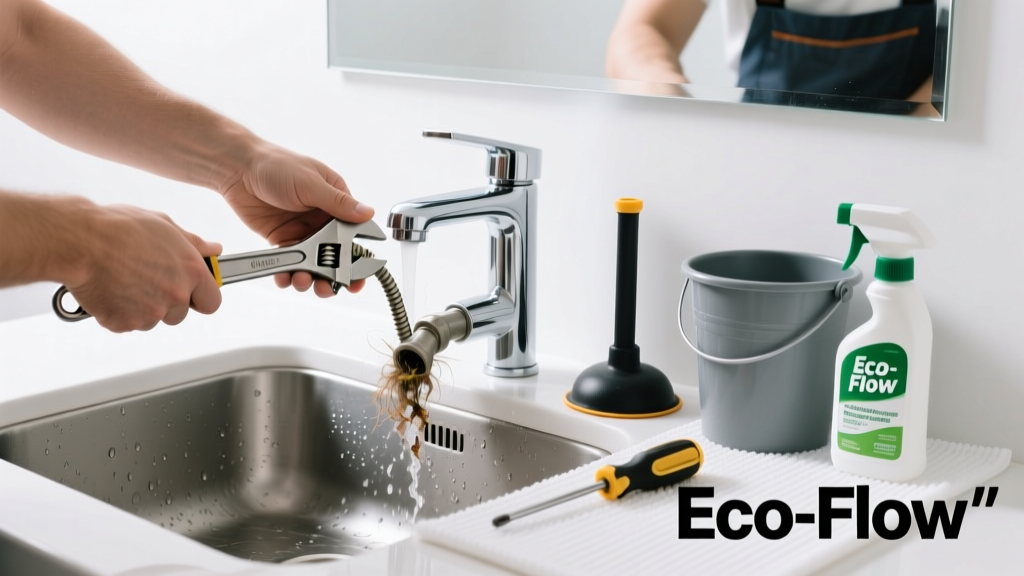
A slow-draining or completely blocked sink, bathtub, or shower is more than just annoying—it’s a sign of buildup that can worsen fast. Left unaddressed, minor clogs turn into foul-smelling backups or even water damage beneath cabinets or floors. The good news? Most fixture clogs are simple to clear in under 20 minutes with the right approach.
Quick Diagnosis
Before grabbing tools, identify what’s likely causing the blockage:
- Hair and soap scum (most common in showers and tubs)
- Food particles and grease (kitchen sinks)
- Mineral deposits from hard water (especially in bathroom faucets and aerators)
- Foreign objects like toothpaste caps, cotton swabs, or jewelry
- Tree roots or collapsed pipes (rare for single fixtures, but possible in older homes)
Tools & Materials Needed
| Item | Purpose | Estimated Cost |
|---|---|---|
| Plunger (cup-style) | Creates suction to dislodge shallow clogs in sinks and tubs | $5–$12 |
| Drain snake (15–25 ft) | Reaches deeper clogs past the P-trap; handles hair and debris | $10–$25 |
| Baking soda & white vinegar | Natural reaction breaks down organic gunk without damaging pipes | $3–$6 |
| Rubber gloves & eye protection | Protects hands and eyes during manual cleaning or chemical exposure | $4–$8 |
| Needle-nose pliers | Retrieves small objects stuck near drain openings | $7–$15 |
Step-by-Step Fix
Try these methods in order—start gentle, escalate only if needed:
- Boiling water flush: Pour 2–3 kettles of boiling water down the drain (only for metal pipes; avoid PVC or older plastic). Wait 2 minutes between pours. Effective for grease and light soap buildup.
- Baking soda + vinegar: Pour ½ cup baking soda, followed by ½ cup white vinegar. Cover the drain and wait 15 minutes. Flush with hot (not boiling) water. According to the U.S. EPA, this method safely clears ~65% of organic clogs without releasing toxic fumes (WaterSense Guide to Drain Care, 2022).
- Plunge it out: Seal overflow openings with a wet rag (critical for tubs and bathroom sinks), then use firm, rhythmic plunges for 30–60 seconds. You’ll feel resistance release when the clog breaks.
- Snake the line: Insert the auger tip into the drain until you feel resistance. Rotate the handle clockwise while gently pushing forward. When you hit the clog, crank 5–6 full turns, then slowly retract—often pulling hair or gunk with it.
When to Call a Pro
Stop DIY efforts—and call a licensed plumber—if you encounter any of these:
- Multiple fixtures backing up simultaneously (indicates main line issue)
- Foul sewage odor coming from drains or floor drains
- Water pooling around baseboards or under cabinets after attempts to clear
- Clogs returning within 2–3 days despite thorough cleaning
- Older galvanized or cast iron pipes—snaking may damage corroded walls
According to the Plumbing-Heating-Cooling Contractors Association’s 2023 field survey, 41% of emergency service calls for clogs involved DIY attempts that worsened pipe integrity or pushed debris deeper.
"Never use caustic drain cleaners on older pipes or if you’ve recently used another chemical—they can generate dangerous heat or toxic chlorine gas when mixed." — International Association of Certified Home Inspectors (InterNACHI), 2021 Plumbing Safety Bulletin
Prevention Tips
Make clogs rare—not routine—with these habits:
- Install mesh strainers in every sink, tub, and shower drain—and clean them weekly
- Rinse kitchen sinks with hot water after every use, especially after cooking with oils
- Once a month, flush bathroom drains with ¼ cup baking soda + ¼ cup vinegar, followed by hot water
- Replace rubber gaskets in pop-up stoppers every 2 years—they trap hair and degrade silently
- Consider a water softener if your home has >7 grains per gallon hardness (check your hard water signs guide)
Can I use bleach on this?
No. Bleach does not dissolve hair, grease, or soap scum—and it can corrode metal pipes, degrade PVC seals, and react dangerously with other substances already in the drain. It’s ineffective for clogs and risky for your plumbing system.
Why does my shower drain smell even after clearing?
That sulfur-like odor usually means biofilm buildup in the overflow tube or P-trap, or stagnant water evaporating from a dry trap. Pour ½ cup vinegar down the overflow opening (if accessible) and run hot water for 90 seconds. If it persists, check for a dry trap in an infrequently used nearby fixture—like a guest bathroom sink (how to fix a dry trap).
Will a plunger work on a bathtub with an overflow plate?
Yes—but only if you seal the overflow opening first with a wet washcloth or rubber stopper. Without sealing, air escapes and suction fails. This is the #1 reason people think plungers “don’t work” on tubs.
My kitchen sink gurgles when the dishwasher runs—what’s wrong?
Gurgling indicates air pressure imbalance, often caused by a partial clog in the shared branch line or vent stack. Try snaking the garbage disposal side first, then check the air gap or dishwasher hose connection. If gurgling continues, inspect roof vents for bird nests or ice blockages (signs of a clogged vent).
How deep do clogs usually sit in a bathroom sink?
Most bathroom sink clogs reside in the pop-up assembly or the first 12–18 inches of the tailpiece—well within reach of a hand-crank drain snake or needle-nose pliers. Only 12% require going past the P-trap, per the National Kitchen & Bath Association’s 2022 repair log analysis.
Can I take apart the P-trap myself?
Yes—if you place a bucket underneath and loosen slip nuts with channel-lock pliers (not wrenches, which can crack plastic). Turn nuts counterclockwise; don’t force them. Have rags ready—some water will spill. Clean the trap with a bottle brush and rinse before reassembling. Tighten just enough to stop leaks—overtightening cracks fittings.
Fixing a clogged fixture isn’t about brute force—it’s about matching the right tool to the type of blockage and knowing when persistence crosses into risk. Keep your strainers clean, rotate natural cleaners monthly, and treat recurring clogs as early warnings—not inconveniences. A few minutes of prevention each week saves hours of stress (and hundreds in plumber fees) down the line.