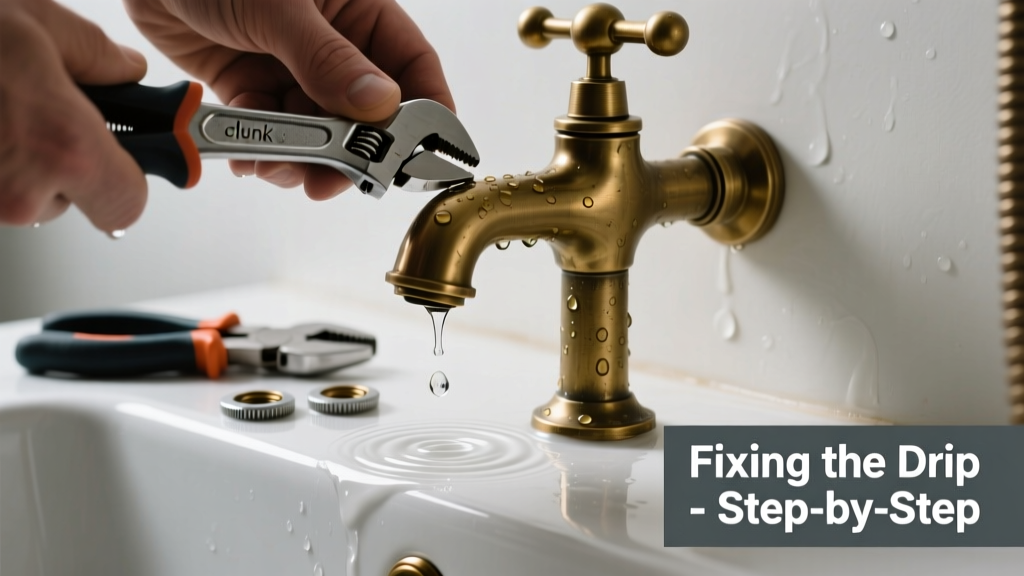
That drip-drip-drip isn’t just annoying—it’s often the first sign of something deeper: a failing valve, sediment buildup, or loose internal parts vibrating under pressure. Unusual noises like metallic clanging, high-pitched whistling, or gurgling mean your shower isn’t just leaking—it’s trying to tell you something specific. Ignoring it can lead to higher water bills, scalding risks, or even pipe corrosion over time.
Quick Diagnosis
Start by listening closely while the water is running *and* after you turn it off. Match the sound to the most likely cause:
- Clanking or banging when turning the handle—loose or worn cartridge or diverter valve
- Hissing or whistling during flow—mineral buildup in the aerator or flow restrictor
- Gurgling or bubbling after shutting off—air trapped in lines or failing anti-scald device
- Grinding or scraping when adjusting temperature—debris jammed in ceramic disc valves or deteriorated O-rings
- Rattling from behind the wall—loose supply lines or unsecured pipes
Tools & Materials Needed
| Item | Purpose | Estimated Cost |
|---|---|---|
| Adjustable wrench | Tightens or removes valve stems and supply nuts without stripping | $12–$28 |
| Phillips & flat-head screwdrivers | Remove handle trim plates and access screws on most modern cartridges | $8–$15 |
| Cartridge puller (brand-specific) | Safely extracts stuck Moen, Delta, or Kohler cartridges without damaging housing | $10–$22 |
| Vinegar soak container + soft brush | Dissolves calcium/magnesium deposits clogging flow paths | $3–$7 |
| Replacement O-rings (size #10, #11, #14) | Prevents vibration-induced noise and seal failure in older compression valves | $2–$5 |
Step-by-Step Fix
Try these methods in order—most noisy drips resolve at Step 1 or 2:
- Clean the flow restrictor and showerhead: Unscrew the showerhead, remove the plastic restrictor disc, soak in white vinegar for 30 minutes, scrub gently with an old toothbrush, rinse thoroughly. Reassemble and test.
- Flush sediment from the valve body: Shut off water at the main or shower-specific shutoffs. Remove the handle and trim, then carefully unscrew the cartridge or stem. Hold a towel over the open valve opening and briefly open the water supply to flush debris—repeat until water runs clear.
- Replace worn O-rings and cartridge seals: Inspect rubber components for cracking or flattening. Replace all O-rings—even those that look intact—with silicone-lubricated replacements sized for your model (check manufacturer specs online). For Moen 1225 cartridges or Delta RP46463 kits, use OEM parts.
- Secure loose supply lines: If rattling comes from inside the wall, shut off water and remove the access panel behind the shower. Wrap supply lines with foam pipe insulation and fasten loosely with plastic straps—not metal—to prevent vibration transfer.
When to Call a Pro
Stop and call a licensed plumber if you encounter any of these:
- The noise changes pitch or intensifies after DIY attempts—this may indicate hydraulic shock or pressure regulator failure
- You detect warm spots on walls or ceilings near the shower—possible hidden leak behind tile or drywall
- Your home has polybutylene (PB) piping (gray, stamped "PB2110"), installed between 1978–1995; these pipes degrade unpredictably and require full replacement
- The valve body itself is cracked or corroded—replacing it requires cutting into wall framing and repiping
According to the Insurance Institute for Business & Home Safety's 2023 report, 37% of bathroom water damage claims involved undiagnosed valve-related leaks that began as intermittent noises before catastrophic failure.
Prevention Tips
Extend the life of your shower hardware and reduce future noise with these habits:
- Flush aerators and flow restrictors every 6 months using vinegar—especially in hard water areas (above 7 grains per gallon)
- Turn handles gently; aggressive twisting accelerates wear on ceramic discs and cartridge splines
- Install a whole-house water softener if your municipal water tests above 10 GPG hardness—this cuts mineral buildup by up to 90%
- Check shutoff valves annually: turn them fully off and on to prevent seizing
Can I use bleach to clean my shower cartridge?
No—bleach degrades rubber O-rings and damages nickel-plated brass components. Stick to white vinegar or citric acid solutions. For stubborn biofilm, use a 50/50 mix of vinegar and warm water, soaked no longer than 20 minutes.
Why does my shower only whistle when the hot water is on?
This usually points to thermal expansion stress in a single-handle mixing valve where the hot side’s internal washer or seat is warped or calcified. The heat causes slight expansion, restricting flow and creating resonance. Replace the hot-side cartridge seal or entire cartridge.
Is it normal for my new thermostatic valve to make a low hum?
A faint, steady hum is typical—caused by laminar water flow through precision-balanced chambers. But if it pulses, spikes in volume, or coincides with temperature fluctuations, the balancing piston may be fouled. Flush per the manufacturer’s cleaning instructions.
My shower drips and squeals—could this be the diverter?
Yes. A worn tub spout diverter (the lever you pull up to send water to the showerhead) often vibrates at high frequency when partially engaged. Replace the entire spout assembly—many models like American Standard’s 1600 series include integrated diverters that fail together.
Will tightening the packing nut stop the grinding noise?
Only temporarily—and possibly dangerously. Over-tightening compresses O-rings unevenly, causing binding and accelerated wear. If grinding persists after lubricating the stem with silicone grease, replace the entire stem assembly. See our guide on shower stem replacement for step-by-step photos.
How do I know if my valve is a pressure-balancing or thermostatic type?
Remove the handle: pressure-balancing valves have one large cartridge (often brass-colored) with a single inlet port; thermostatic valves have two separate ports (hot/cold) and a larger, insulated housing marked "Thermo" or with a temperature dial. Confirmed models are listed in our shower valve types explained guide.
A noisy, dripping shower rarely fixes itself—and waiting often turns a $15 O-ring job into a $450 wall repair. Most unusual sounds trace back to simple, accessible parts you can replace in under an hour. Keep your tools organized, label parts as you remove them, and don’t skip the vinegar soak—it’s the quietest fix of all.