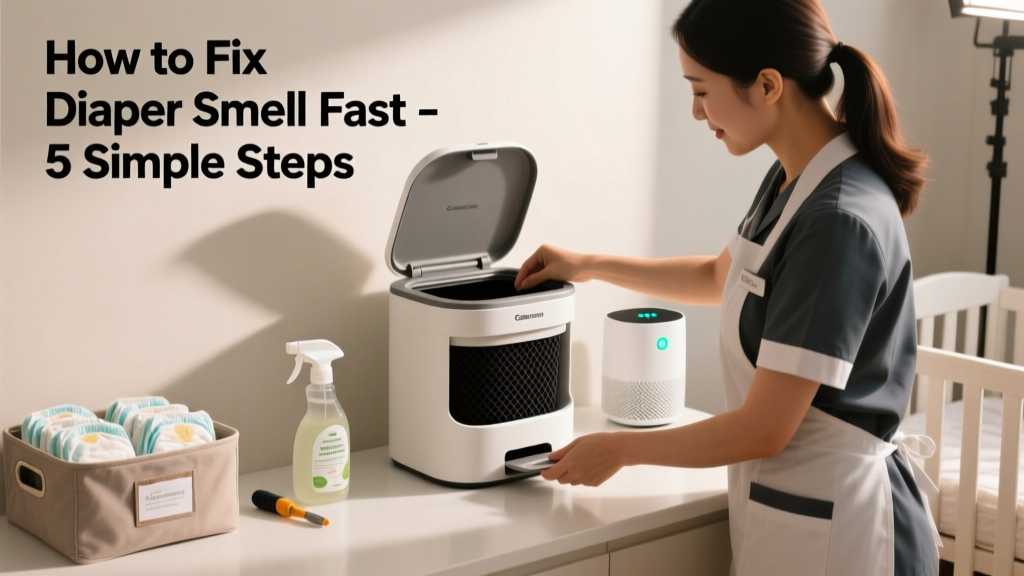
That sour-sweet, ammonia-tinged whiff clinging to your baby’s room isn’t just unpleasant—it’s a red flag that bacteria, mold, or trapped moisture is building up somewhere unseen. Left unaddressed, it can worsen respiratory irritation for infants and degrade materials like carpet padding or subflooring.
Quick Diagnosis
Before grabbing supplies, pinpoint where the odor originates. Most diaper-related nursery smells stem from one (or more) of these sources:
- Overflowing or poorly sealed diaper pail with residual biofilm buildup
- Urine-soaked carpet padding or subfloor beneath a changing pad or rug
- Mold growth behind baseboards or under furniture due to repeated splash or leak
- Stagnant air circulation trapping volatile organic compounds (VOCs) from decomposing waste
- Improperly cleaned plastic changing table surfaces harboring microscopic urine crystals
Tools & Materials Needed
| Item | Purpose | Estimated Cost |
|---|---|---|
| Enzyme-based odor eliminator (e.g., Rocco & Roxie Professional Strength) | Breaks down urea and organic waste at the molecular level—unlike masking sprays | $12–$22 |
| HEPA vacuum with crevice tool | Removes embedded particles and spores from carpet fibers and baseboard gaps | $80–$250 |
| Moisture meter (e.g., General Tools MMD4E) | Detects hidden dampness in flooring or walls before mold takes hold | $35–$65 |
| White vinegar (5% acetic acid) + baking soda | Natural pH neutralizer for surface cleaning; safe around infants when rinsed | $3–$6 |
| Microfiber cloths and stiff-bristle nylon brush | Agitates biofilm without scratching plastic or laminate surfaces | $8–$15 |
Step-by-Step Fix
- Empty and deep-clean the diaper pail: Remove all liners and scrub interior with 1:1 vinegar-water solution using the stiff brush. Rinse, dry completely, then spray with enzyme cleaner and let air-dry 12+ hours before reuse.
- Test flooring for moisture: Use the moisture meter on carpet, padding, and subfloor near the changing area. If readings exceed 15% moisture content, lift carpet and inspect padding for yellow staining or crumbling—replace if compromised.
- Treat carpet and padding: Apply enzyme cleaner directly to affected areas (not just surface—inject into padding with a syringe or spray bottle set to stream). Blot—not rub—with microfiber cloths. Allow 48 hours to fully dry with fans running.
- Sanitize non-porous surfaces: Wipe changing table, drawer handles, and wall switches with vinegar solution, then follow with enzyme spray. Let dwell 10 minutes before wiping with damp cloth.
When to Call a Pro
DIY stops where health and structure begin. Call a certified indoor air quality specialist or water damage restoration contractor if:
- Your moisture meter reads >20% in subfloor or wall framing
- You see black, fuzzy mold growth behind baseboards or under trim
- The odor returns within 72 hours after full cleaning—even with ventilation and enzyme treatment
- You suspect urine has soaked through hardwood or laminate into joists (common with older homes lacking proper underlayment)
"Urine contains urea, which breaks down into ammonia and carbon dioxide over time—especially in warm, humid environments. That ammonia concentration can reach levels above 50 ppm in poorly ventilated nurseries, exceeding OSHA’s short-term exposure limit." — American Industrial Hygiene Association, Indoor Air Quality Guidelines 2022
Prevention Tips
Consistent habits beat reactive cleaning every time. Set up systems that reduce odor at the source:
- Line your diaper pail with charcoal-filter bags and empty it every 48 hours—even if not full
- Place a small, quiet exhaust fan (like Broan QTRE110) in the nursery window or wall, set to run 20 minutes hourly
- Rotate changing pad placement weekly to avoid repeated saturation in one spot
- Wash cloth diapers in hot water with ½ cup white vinegar in the rinse cycle monthly to prevent buildup
- Replace carpet padding every 3 years in high-use nursery zones—even if carpet looks fine
Can I use bleach on this?
No. Bleach reacts with ammonia in dried urine to produce toxic chloramine gas—a known respiratory irritant. It also fails to break down organic compounds, leaving odor-causing enzymes intact. Stick to enzyme cleaners or diluted vinegar for biological odors. For disinfecting hard surfaces after cleaning, use hydrogen peroxide (3%) instead.
Will an air purifier help?
A HEPA + activated carbon unit (like the Coway Airmega 250) helps *temporarily* reduce airborne VOCs—but won’t fix the source. Run it only after deep-cleaning floors and surfaces. Carbon filters need replacement every 3 months in high-odor environments, per air purifier maintenance guidelines.
How long does enzyme cleaner take to work?
Enzyme cleaners require 12–72 hours to fully digest organic matter, depending on temperature and humidity. Optimal activation occurs between 70–90°F. Don’t wipe or cover treated areas during this window—or you’ll remove the active microbes. For stubborn spots, reapply once after 24 hours.
Is the smell harmful to my baby?
Yes—chronic exposure to ammonia and bacterial VOCs may increase risk of bronchiolitis and wheezing in infants under 12 months, according to a 2023 study in Pediatric Allergy and Immunology. Infants breathe 40–60 times per minute and absorb pollutants more efficiently than adults, making nursery air quality especially critical.
What if the smell is coming from the walls?
Urine vapor can wick upward through drywall seams or electrical outlets—especially if the changing area is near a wall. Turn off power at the breaker, remove outlet covers, and check for yellow discoloration or crusty residue. If present, cut out and replace affected drywall sections (minimum 12” beyond visible stain) and seal edges with Kilz Restoration primer before repainting. See our guide on drywall repair after water damage for details.
Can I steam clean the carpet myself?
Not recommended. Steam adds moisture without extraction, potentially pushing urine salts deeper and accelerating mold growth in padding. Instead, rent a professional-grade extraction cleaner (like Bissell Big Green) with a urine-removal attachment—and always follow with enzyme treatment and 48-hour drying using box fans and dehumidifiers.
A fresh-smelling nursery shouldn’t rely on candles or plug-ins—it should reflect consistent care and smart material choices. Once you’ve eliminated the source and upgraded your routine, that clean, calm atmosphere becomes sustainable. And remember: if the odor lingers past two full cleaning cycles, don’t wait—get moisture readings and consider a mold inspection cost breakdown before it spreads further.