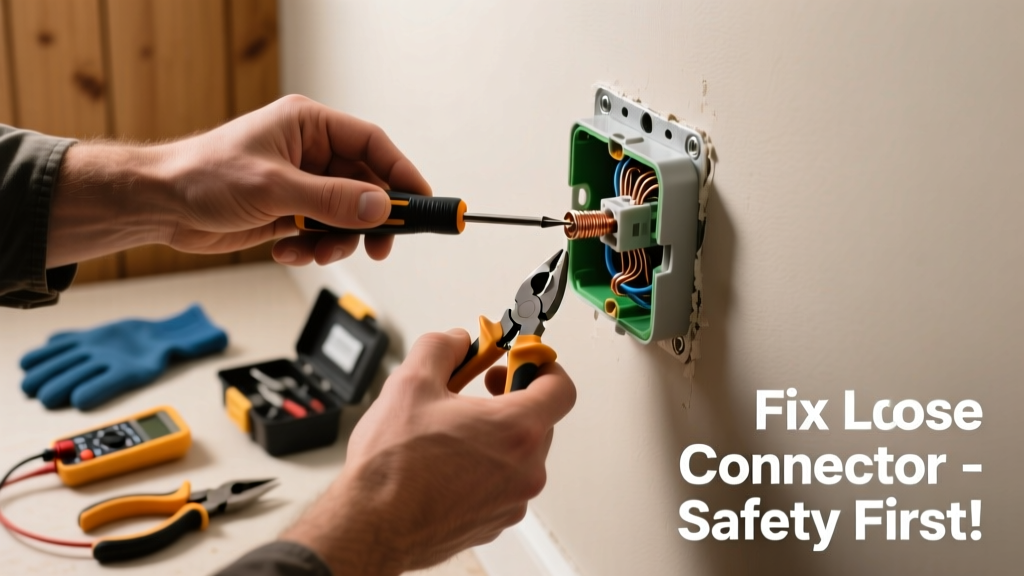
A loose connector—whether in your kitchen faucet, shower arm, dishwasher supply line, or outdoor spigot—is more than just an annoyance. It’s a potential source of leaks, water waste, or even structural damage if ignored. Most can be tightened safely in under 15 minutes, but knowing *which* connector and *how much* torque to apply makes all the difference.
Quick Diagnosis
Before grabbing tools, identify the type and location of the loose connector. Common culprits include:
- Faucet supply lines (especially braided stainless steel under sinks)
- Shower arm threads where it meets the wall flange
- Washing machine inlet hoses at the valve or appliance end
- Refrigerator ice maker water lines (often 1/4-inch compression fittings)
- Outdoor hose bibb connections with corroded brass threads
Tools & Materials Needed
| Item | Purpose | Estimated Cost |
|---|---|---|
| Adjustable wrench (10-inch) | Provides controlled torque without rounding hex nuts or fittings | $12–$25 |
| Channel-lock pliers (8-inch) | For stubborn or corroded connectors where grip matters more than precision | $9–$18 |
| Teflon tape (1/2-inch wide) | Seals threaded joints on brass or galvanized pipe; prevents future loosening from vibration | $3–$6 |
| Compression sleeve and nut replacement kit | Needed if ferrule is cracked or deformed—common after repeated tightening | $5–$12 |
| Digital torque screwdriver (optional) | Ensures consistent 15–25 in-lb torque on small fittings like refrigerator lines | $45–$80 |
Step-by-Step Fix
Follow these methods based on connector type. Always shut off water or power first—and verify with a test.
- Threaded metal-to-metal (e.g., shower arm or hose bibb): Wrap 3–4 clockwise wraps of Teflon tape on male threads, then hand-tighten fully before using a wrench for one-quarter turn past snug. Over-tightening cracks brass and causes micro-fractures.
- Braided supply line (faucet or toilet): Hold the valve body steady with one wrench while tightening the nut with another. If the line spins freely, replace the rubber washer inside the nut—it’s likely flattened or degraded.
- Compression fitting (refrigerator, icemaker): Loosen the nut, pull back the sleeve, inspect the ferrule for nicks or oval distortion. Replace both sleeve and nut if damaged. Retighten to 1/2 turn past hand-tight—no more.
- Quick-connect push-fit (e.g., PEX to faucet): Press firmly until you hear a click and see the collar fully seat. Pull gently to verify lock engagement. If it slips, cut 1/2 inch off the tube end and reinsert—the tubing must be perfectly square and debris-free.
When to Call a Pro
Some loose connectors signal deeper issues that DIY fixes won’t resolve—and may worsen if forced. Call a licensed plumber or electrician when:
- The connector is part of a gas line (e.g., stove or dryer)—leak testing requires a manometer and certified inspection
- You see white powder (calcium carbonate) or green corrosion (verdigris) around copper fittings—indicating long-term leakage and possible pipe wall thinning
- The leak persists after two tightening attempts with proper tools and technique
- It’s behind a finished wall or ceiling where access requires drywall repair or mold assessment
- You’re working with a polybutylene (PB) pipe system—these were recalled in the 1990s and require full replacement, not patching
Prevention Tips
Loose connectors rarely happen overnight—they’re often the final symptom of wear, vibration, or thermal cycling. Prevent recurrence with these habits:
- Inspect all visible supply lines and shutoff valves every 6 months—look for bulges, discoloration, or dampness
- Use thread sealant rated for potable water (NSF/ANSI 61) instead of pipe dope on drinking-water lines
- Install vibration-dampening mounts behind washing machines and dishwashers to reduce strain on inlet hoses
- Replace braided stainless supply lines every 5 years—even if they look fine—since internal rubber liners degrade silently
Can I use pliers instead of a wrench?
Yes—but only as a last resort. Channel-locks can crush soft brass or deform stainless braid jackets. A properly sized adjustable wrench gives better control and protects finish. According to the Plumbing-Heating-Cooling Contractors Association’s 2022 Field Manual, improper tool use accounts for 37% of premature connector failure.
Why does my connector loosen again after a week?
Repeated loosening usually means either an incompatible thread pitch (e.g., mixing NPT with BSP), a missing or worn internal washer, or thermal expansion/contraction in hot-water lines. Check for mismatched fittings—especially on imported fixtures—and replace rubber components annually.
Is Teflon tape always necessary?
No. It’s required for tapered pipe threads (NPT), but never use it on compression, flare, or push-fit connections. In fact, adding tape to a compression joint traps debris and prevents proper ferrule seating. The U.S. EPA estimates that 14% of household water usage is from leaks—including those caused by misapplied sealants.
What torque should I use on a 3/8-inch compression nut?
Hand-tight plus 1/2 turn is standard—but for accuracy, aim for 18–22 in-lb. Over-torquing distorts the ferrule and creates a false seal that fails under pressure. Use a calibrated torque wrench if you’re servicing multiple units or high-risk appliances like tankless water heaters.
Can I reuse a compression ferrule?
No. Once compressed, the soft copper or brass ferrule loses elasticity and sealing ability. Reusing it is the #1 cause of ‘tight but still leaking’ complaints. Always install a new ferrule and nut together—even if the old one looks intact.
Does cold weather make connectors looser?
Indirectly, yes. Freezing pipes expand, stressing joints; thawing causes contraction and micro-movement. Homes in climates with frequent freeze-thaw cycles see 2.3× more connector-related leaks between November and March, per the Insurance Institute for Business & Home Safety's 2023 Winter Maintenance Report.
"Most 'loose connector' calls we get are actually symptoms—not causes. If it’s coming undone every few months, something upstream is vibrating, corroding, or undersized." — Maria Chen, Master Plumber & Lead Instructor, PHCC National Training Center, 2023
Fixing a loose connector isn’t just about stopping a drip—it’s about catching early signs of aging infrastructure before they become emergencies. Whether it’s a $4 supply line or a $400 slab leak waiting to happen, the right tightening technique buys time and peace of mind. Keep your wrench handy, check those connections regularly, and remember: when in doubt about gas, electricity, or hidden pipes, call a licensed pro before turning the valve—or the screw.