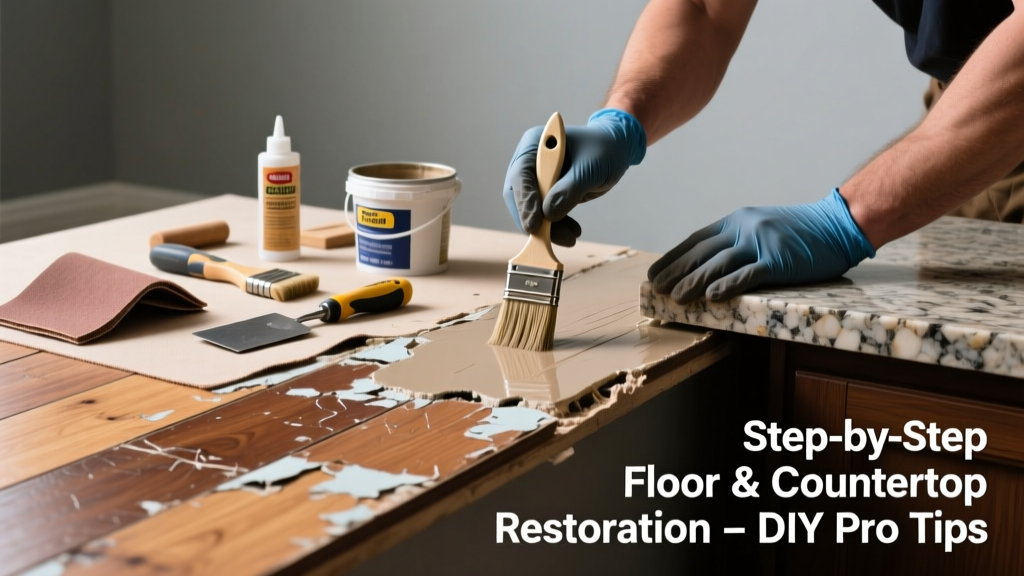
Worn coating—whether it’s peeling paint on a bathroom vanity, dull epoxy on a garage floor, or chalky enamel on a cast-iron tub—doesn’t just look bad; it exposes the substrate to moisture, scratches, and corrosion. Left unaddressed, small wear spots can spread fast, especially in high-traffic or wet areas. The good news? Most cases are repairable in a weekend with the right prep and product.
Quick Diagnosis
Before grabbing tools, identify the root cause. Worn coating rarely happens in isolation—it’s usually a symptom. Here are the most common triggers:
- Repeated abrasion from foot traffic, dragging furniture, or abrasive cleaning pads
- Chemical exposure (e.g., vinegar, ammonia, or harsh bathroom cleaners degrading acrylic or polyurethane)
- Poor initial adhesion due to insufficient surface prep or application in humid conditions
- UV degradation on exterior surfaces like coated deck railings or patio furniture
- Thermal cycling—expansion/contraction stress on coatings over concrete or metal substrates
Tools & Materials Needed
| Item | Purpose | Estimated Cost |
|---|---|---|
| 120–220 grit sandpaper (or orbital sander) | Removes loose material and creates a "tooth" for new coating adhesion | $4–$18 |
| Isopropyl alcohol (91%+) or TSP substitute | Cleans oils, residues, and contaminants that prevent bonding | $6–$12 |
| High-solids acrylic or epoxy touch-up kit | Matches existing sheen and chemistry (critical for compatibility) | $15–$45 |
| Microfiber applicator pads & foam brushes | Ensures smooth, streak-free application without brush marks | $3–$9 |
| Painter’s tape & plastic sheeting | Protects adjacent surfaces from overspray or drips | $5–$11 |
Step-by-Step Fix
Choose the method based on surface type, wear severity, and coating chemistry. Never layer acrylic over epoxy—or vice versa—without proper primer or full removal.
- Assess and isolate: Mark the worn zone with tape. Check if wear extends beneath the surface (e.g., rust under chipped bathtub enamel). If so, skip to "When to Call a Pro."
- Dry-sand the area: Use 180-grit paper by hand or with a random-orbit sander set to low speed. Sand 1/2" beyond the edge of wear into intact coating to feather the transition. Wipe dust with tack cloth.
- Clean and degrease: Apply isopropyl alcohol with a lint-free cloth. Let dry 10 minutes. Do not use water-based cleaners—they leave residue that causes fisheyes.
- Apply matching coating: Stir (don’t shake) your touch-up product. Apply one thin coat with a foam brush, feathering edges outward. Wait manufacturer-specified time (usually 4–6 hours), then lightly sand with 220-grit before second coat.
- Cure fully before use: Most water-based acrylics need 72 hours; epoxy blends require up to 7 days for full chemical resistance. Avoid water contact or pressure during this window.
When to Call a Pro
DIY makes sense for isolated wear under 6 inches wide—but some situations demand expertise and equipment:
- Wear exposing raw steel, aluminum, or wood substructure in damp locations (e.g., basement stairs, shower curbs)
- More than 20% of an epoxy garage floor showing delamination or alligatoring
- Coating failure on structural elements like coated steel beams or fire-rated doors
- Any wear accompanied by mold growth underneath (requires containment and remediation per IICRC S520-2023 standards)
"Over 68% of premature coating failures stem from inadequate surface preparation—not product quality," says Dr. Lena Cho, materials engineer at the American Coatings Association's 2022 Field Performance Review.
Prevention Tips
Extending coating life isn’t about luck—it’s about routine habits and smart upgrades:
- Use felt pads under furniture legs and avoid dragging heavy items across coated floors
- Swap abrasive scrub sponges for microfiber cloths; never use steel wool on acrylic or polyurethane finishes
- Install walk-off mats at exterior doors to reduce grit abrasion on entryway floors
- Reapply UV-resistant topcoats every 2–3 years on sun-exposed decks or railings
- Test cleaners first: drop a dime-sized amount on an inconspicuous spot and wait 24 hours for clouding or softening
Can I use bleach on this?
No—bleach breaks down acrylic binders and accelerates yellowing in white coatings. It also degrades urethane sealers on countertops. For disinfecting coated surfaces, use 70% isopropyl alcohol or diluted hydrogen peroxide (3%) instead. Always rinse with clean water and dry immediately.
How long does touch-up coating last?
A properly applied, compatible touch-up lasts 2–5 years depending on location and use. High-wear zones like kitchen cabinet fronts may need re-coating every 18–24 months. Garage floor patches hold up 3–4 years if traffic is light and no oil spills occur.
Do I need to prime before touching up?
Only if you’ve sanded down to bare substrate (wood, metal, or concrete). For feathered edges over intact coating, priming isn’t needed—but always verify compatibility: a water-based primer won’t bond to solvent-based epoxy without a tie-coat like Zinsser Bulls Eye 1-2-3.
Why did my touch-up turn cloudy?
Cloudiness almost always means moisture contamination—either from high humidity during application, damp substrate, or using a contaminated brush. According to the U.S. EPA’s 2023 Indoor Air Quality Guide, applying coatings in RH above 75% increases blushing risk by 40%. Wait for dry conditions or use a dehumidifier.
Can I recoat the whole surface instead of patching?
Yes—and often advisable. If wear is widespread or color has faded unevenly, full recoating gives uniform appearance and longer protection. But you’ll need full prep: strip all old coating (chemical or mechanical), neutralize residues, and apply primer. See our guide on epoxy floor removal or refinishing painted cabinets for full workflows.
What’s the best coating for high-moisture areas like showers?
Epoxy-modified acrylics (like Rust-Oleum Tub & Tile Refinishing Kit) outperform standard acrylics in steam-prone zones. They resist blistering better and cure harder—but require strict adherence to mixing ratios and 72-hour cure before water exposure. For cast iron or fiberglass tubs, consider professional-grade two-part urethane systems used by bathtub refinishing pros.
Fixing worn coating is less about perfection and more about timing: catching it early, matching chemistry carefully, and respecting cure windows. A well-executed patch buys you years—not months—and keeps underlying surfaces protected from rot, rust, and costly replacement. Treat the symptom, yes—but also adjust habits that caused the wear in the first place.