That gurgle from your kitchen sink when the washing machine drains? The hollow knock under your bathroom floor when you flush? These aren’t just annoyances—they’re urgent signals of trapped air, partial blockages, or venting problems in your drain system. Ignoring them can lead to slow drainage, sewer gas leaks, or even pipe corrosion over time.
Quick Diagnosis
Unusual drain noises usually point to one (or more) of these underlying issues:
- A partial clog restricting water flow and trapping air
- A blocked or improperly installed plumbing vent stack
- A failing P-trap seal allowing air to be sucked through
- Tree roots infiltrating main sewer lines (common in older homes)
- Collapsed or misaligned pipes—especially in slab foundations or exterior runs
Tools & Materials Needed
| Item | Purpose | Estimated Cost |
|---|---|---|
| Plumber’s snake (25-ft hand auger) | Clears hair, soap scum, and debris 3–10 ft down the trap and branch line | $12–$25 |
| Wet/dry vacuum (with hose adapter) | Creates strong suction to dislodge shallow clogs and test vent airflow | $45–$85 |
| Boiling water + ½ cup baking soda + ½ cup white vinegar | Natural reaction helps break down organic buildup without damaging pipes | $3–$6 |
| Roof access ladder & flashlight | Essential for inspecting and clearing the vent stack on your roof | $30–$120 (if not already owned) |
| Adjustable wrench & replacement P-trap washers | Tightens loose connections and restores water seal in traps | $8–$15 |
Step-by-Step Fix
Start with the safest, most accessible methods first—and always test after each step before moving on.
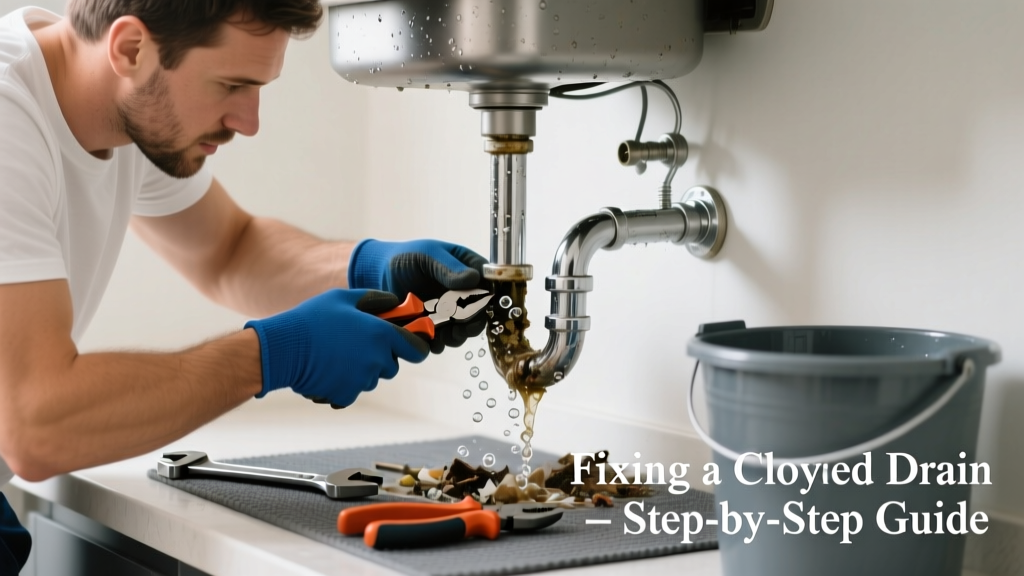
- Check the P-trap: Place a bucket underneath, loosen slip nuts with a wrench, remove the trap, and clear any visible debris. Reassemble with fresh washers and tighten snugly—not overly tight—to prevent cracking.
- Snake the drain: Feed a hand auger past the P-trap into the wall pipe. Rotate while pushing until resistance is met; crank 5–6 full turns, then slowly retract while spinning. Repeat if needed. Flush with hot water afterward.
- Test the vent stack: Climb to the roof (use fall protection), locate the main vent pipe near the bathroom/kitchen, and shine a flashlight inside. If you see leaves, bird nests, or ice (in cold climates), use a garden hose on low pressure or a 3-ft plumber’s snake to clear it.
- Use air pressure: Seal the drain opening with a wet/dry vac’s rubber adapter or a plunger cup, then switch to blow mode (if available) for 5 seconds. This forces air backward through the vent path—often enough to dislodge light obstructions.
When to Call a Pro
Stop and call a licensed plumber immediately if you encounter any of these:
- Multiple fixtures gurgling simultaneously—this often indicates a main sewer line issue
- Foul sewer odor accompanying the noise (a sign of dangerous hydrogen sulfide gas)
- Water backing up into floor drains or toilets when using other fixtures
- Noise persists after 48 hours of consistent DIY efforts
- You suspect tree roots (confirmed via camera inspection) or pipe collapse
According to the Insurance Institute for Business & Home Safety's 2023 report, 62% of sewer backups linked to noisy drains involved root intrusion or pipe offset—both requiring specialized equipment and permits to repair.
Prevention Tips
Small habits make a big difference in keeping your drains quiet and flowing freely:
- Pour boiling water down kitchen and bathroom drains weekly to melt grease and soap residue
- Install mesh strainers and clean them after every use—especially in showers and laundry tubs
- Avoid pouring coffee grounds, eggshells, or cooking oil down any drain
- Have your main sewer line scoped every 3–5 years if your home is over 25 years old or near mature trees
- Run your garbage disposal with cold water for 15 seconds after grinding—never hot water, which liquefies grease
Can I use bleach on this?
No. Bleach won’t dissolve hair or food clogs, and it reacts dangerously with other cleaners like ammonia or vinegar. It also degrades PVC pipe seals over time. Stick to mechanical methods or enzyme-based cleaners like Bio-Clean for organic buildup.
Why does only my shower gurgle when the toilet flushes?
This points to shared venting between fixtures. When the toilet flushes, it creates negative pressure that pulls air through the shower’s dry P-trap—usually because the shared vent is obstructed or undersized. Clearing the vent stack (step 3 above) typically resolves it.
Will a plunger fix a noisy drain?
Sometimes—but only if the noise stems from a shallow clog directly under the fixture. A flange plunger works best on toilets; a cup plunger is ideal for sinks and showers. Seal tightly and use firm, steady strokes—not slams—for 15–20 seconds. If no improvement, move to snaking.
Is the knocking sound coming from the wall or floor dangerous?
Yes—if it’s a rhythmic metallic knock that coincides with water use, it may indicate water hammer caused by failed air chambers or high-pressure surges. Install a water pressure regulator if readings exceed 80 psi (test with a pressure gauge), and add cushioned mounting straps to exposed supply lines.
How do I know if it’s the vent or the drain pipe?
Run water in the noisy fixture alone: if it drains fine but gurgles when *another* fixture is used, the vent is likely blocked. If it gurgles *while draining*, the clog is in the drain line itself—or the P-trap is dry. Always check the trap first—it’s the easiest fix.
Can a clogged drain cause mold behind walls?
Absolutely. Persistent moisture from slow leaks or overflow near wall cavities creates ideal conditions for hidden mold growth. The U.S. EPA estimates that 14% of household water usage is from leaks—many undetected until musty odors or discoloration appear. If you hear dripping or notice wall swelling near a noisy drain, shut off water and consult a moisture specialist.
A noisy drain isn’t just background clutter—it’s your plumbing system sending an SOS. Addressing it quickly prevents bigger headaches: from corroded joints to compromised indoor air quality. Most gurgles and knocks respond well to methodical troubleshooting, especially when you start with the P-trap and work your way toward the roof vent. Keep your tools handy, stay observant, and don’t hesitate to bring in a pro when multiple fixtures act up at once—your health and home value depend on it.